Buying guide
Beeswax wraps vs silicone bags: which replaces cling film
Elle Marchetti · Published October 15, 2026
The quick answer
Use a beeswax wrap for anything you would cover or fold — a cut avocado, a block of cheese, a bowl of leftovers — and a silicone bag for anything you would seal, freeze or carry. The HoneyBee Wrap large is our pick of the wraps: Australian-made, properly tacky, and still sealing after a year of weekly use.
Where each one wins
- Beeswax wrap: breathing foods (cheese, herbs, bread), bowl covers, folding around sandwiches. Moulds with the warmth of your hands.
- Silicone bag: liquids, marinades, freezer storage, anything that must be airtight.
What kills a beeswax wrap
Heat. Hot water, dishwashers and microwaves melt the wax coating. Wash cool with mild soap, air dry, and a good wrap lasts a year or more — then it composts.
Our recommended picks
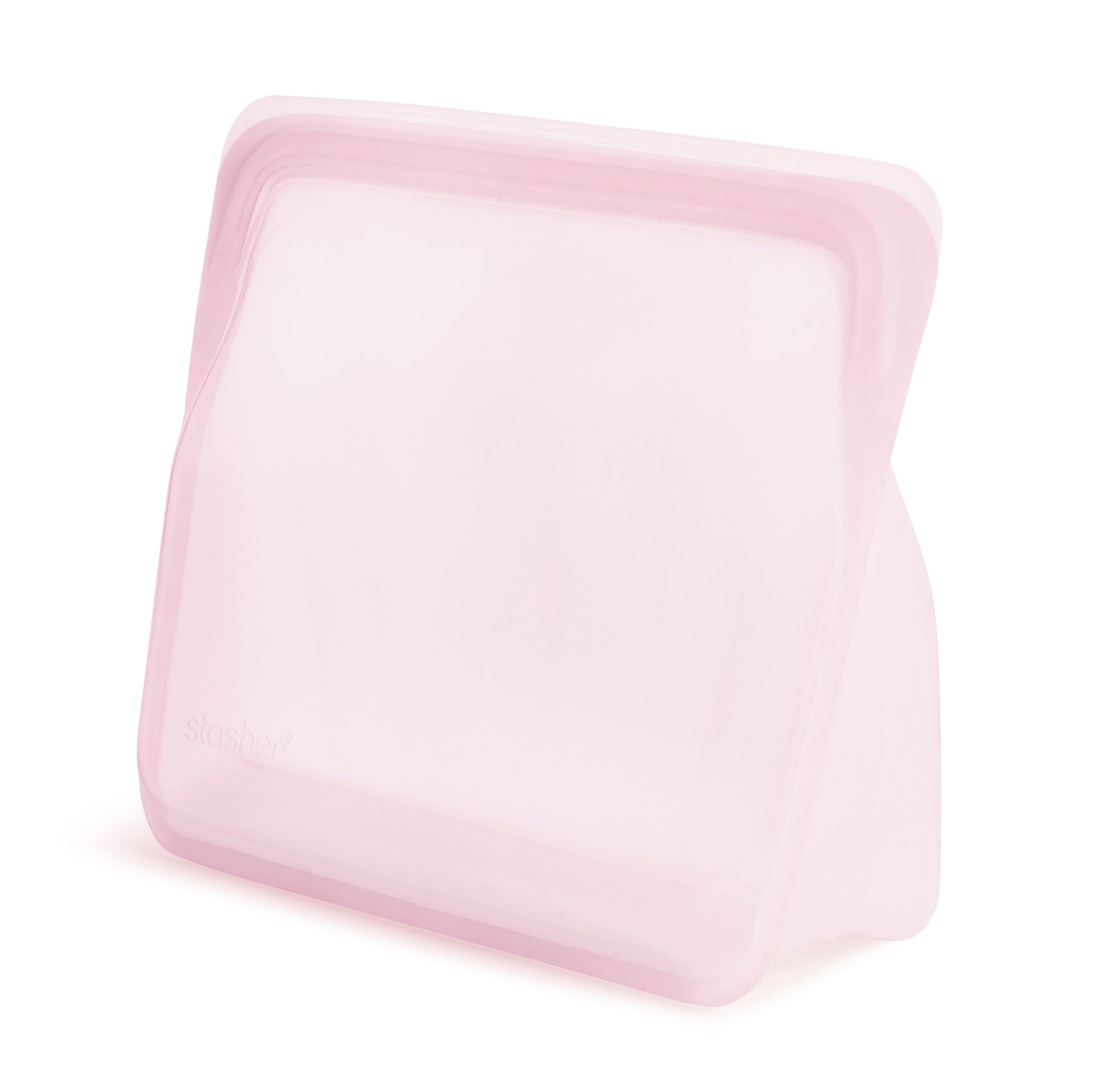
Frequently asked
- How long does a beeswax wrap last?
- Around a year of regular use before the wax coating thins. Some can be refreshed with a wax bar; at end of life the cotton and wax compost.
- Can you wrap raw meat in a beeswax wrap?
- No — wraps cannot be washed hot, so they are not suitable for raw meat or fish. Use a washable silicone bag or a container instead.
Sources & evidence
Every verdict on this page is traceable to the 1 reference below — our own bench testing, manufacturer documentation and independent published testing. Where evidence is thin, we say so in the text rather than rounding up.
Evidence last reviewed .