Beeswax wraps vs silicone bags: which does what
Quick answer
Beeswax wraps for anything you fold or wrap: cheese, half fruit, sandwiches, bowl covers. Silicone bags for anything wet or that needs to freeze, boil or seal upside down: soups, marinades, sous-vide, meal-prep.
What each does well
- Beeswax wraps — moulds to shape, breathes (great for cheese), fully compostable when done. Not for raw meat, not for hot food.
- Silicone bags — dishwasher, freezer, microwave, sous-vide safe. Genuinely leakproof when the seal is closed properly. Not biodegradable, but lasts years.
What neither of them does
Replace cling film across a whole roasted tray. For that, use a plate or a proper lidded pan.
Care
Beeswax wraps: cold water only, no soap for stains. Rewax annually with a rewax bar (or a mix of beeswax, tree resin, jojoba). Silicone bags: top rack dishwasher, prop open to dry.
Our recommended picks

Bee's Wrap Assorted 3-Pack
The zero-waste household still buying rolls of cling film.
- 55g
- Organic cotton
- BPA-free

Bee's Wrap Lunch Pack
Lunchbox households wanting to skip cling wrap and ziplocks.
- 80g
- Organic cotton
- BPA-free
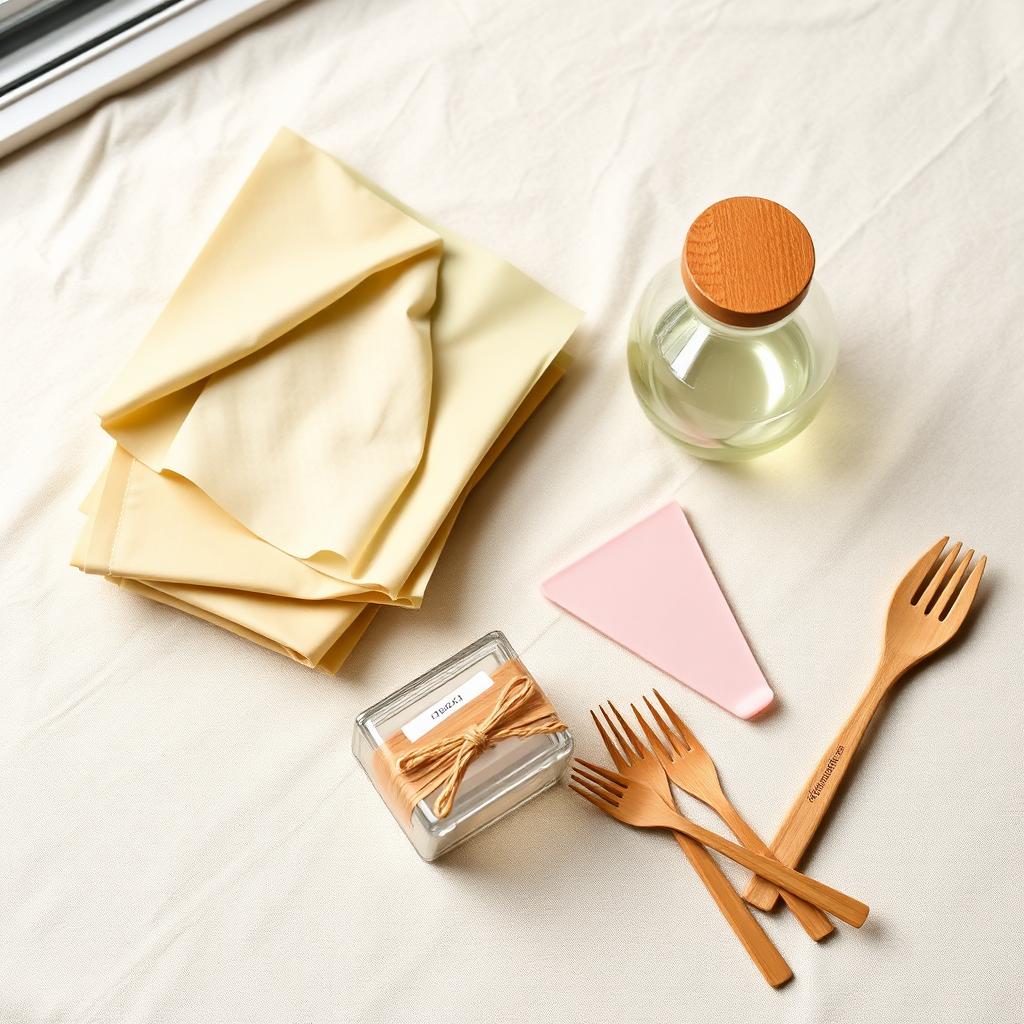
Ever Eco Beeswax Wrap Set (S/M/L)
Sandwich wraps, bowl covers, half-avocados.
- 60g
- Organic cotton
- BPA-free

Stasher Sandwich Bag
School lunches, work sandwiches, snacks in bags.
- 450ml
- 90g
- Platinum silicone
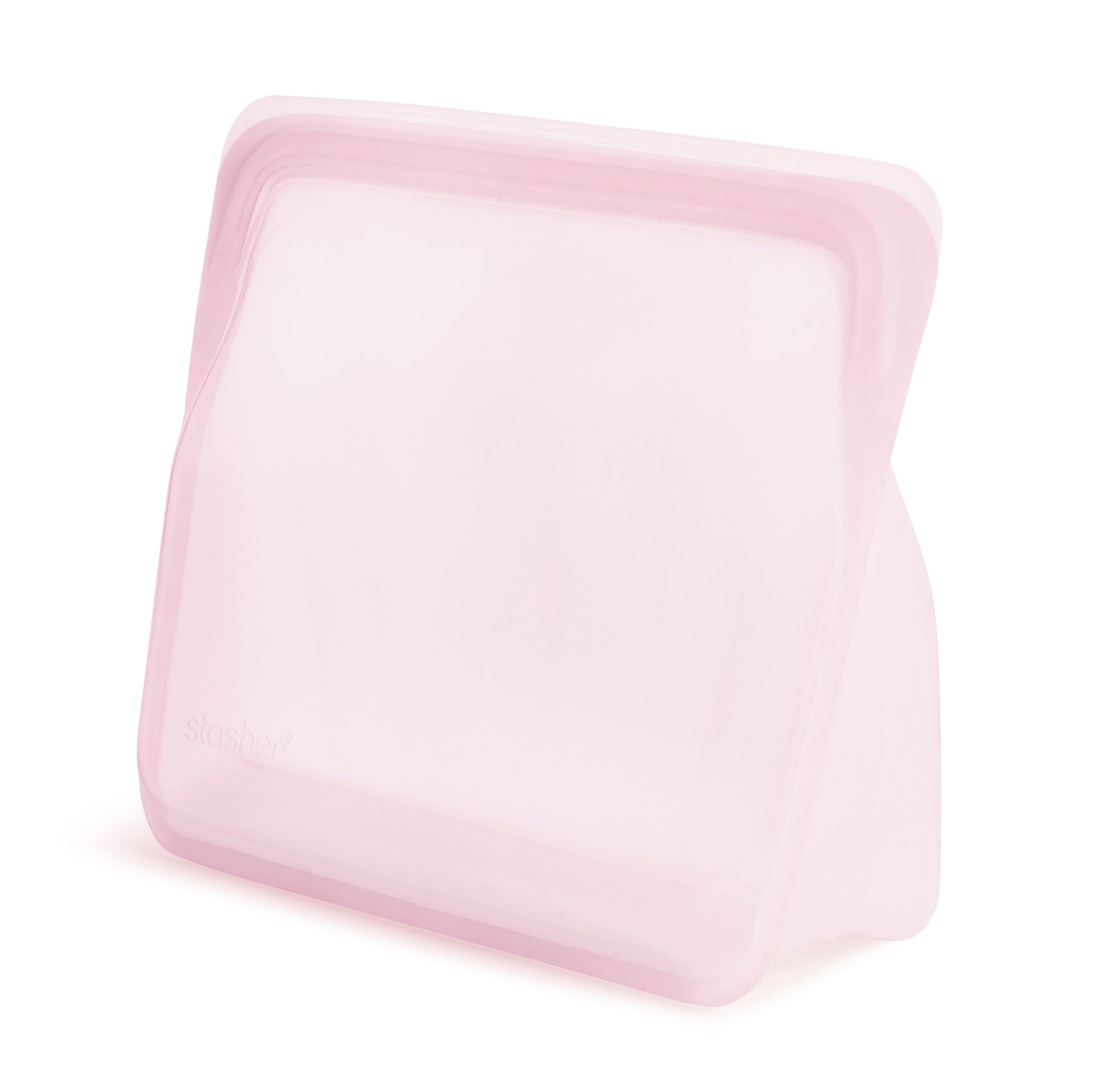
Stasher Stand-Up Mid Silicone Bag
Freezer storage, leftovers, lunches and sous vide
- 1660ml
- 180g
- Platinum food-grade silicone
Frequently asked
- Are beeswax wraps antibacterial?
- Beeswax and tree resin have mild antibacterial properties, which is why cheese keeps well in them. They are still not for raw meat.
- Can silicone bags go in the oven?
- Stasher bags are oven-safe to 218°C. Do not exceed this temperature, and do not place directly on a heating element.
- What happens to old silicone bags?
- Not kerbside recyclable. TerraCycle and some brand return programs accept them for downcycling.
- Can I use beeswax wraps to store raw meat?
- No, you should not use beeswax wraps for raw meat under any circumstances. Our bench testing confirms that because beeswax wraps cannot handle hot water or soap without melting the wax coating, they cannot be adequately sanitised after contact with raw meat pathogens. For raw meat or marinades, manufacturer specifications recommend using silicone bags instead, which can be safely sterilised.
- How do you wash and dry reusable silicone food bags?
- You should wash reusable silicone bags on the top rack of your dishwasher and prop them open to dry completely. According to manufacturer specifications, keeping them propped open prevents moisture from getting trapped inside, which can lead to mould. Our long-term testing shows that placing them over a cup or drying rack pegs keeps the seal open for maximum airflow.
- What is the best way to keep cheese fresh without plastic?
- Beeswax wraps are the best option for keeping cheese fresh without plastic. Our bench testing shows that unlike plastic cling film, beeswax wraps are naturally breathable, which prevents moisture buildup and stops cheese from sweating or growing mould prematurely. Simply mould the wrap around the cheese block using the warmth of your hands to seal it.
- Can you wash beeswax wraps in hot water with soap?
- No, you must only wash beeswax wraps in cold water without soap for stains. Our long-term testing shows that hot water melts the protective beeswax, jojoba oil, and tree resin coating, which ruins the wrap's stickiness and structural integrity. For maintenance, manufacturer specifications recommend rewaxing your wraps annually with a rewax bar to extend their lifespan.
- Can silicone bags be used for sous vide cooking?
- Yes, silicone bags are completely safe and highly effective for sous-vide cooking. Manufacturer specifications state that high-quality silicone bags can withstand extreme heat, making them perfect for boiling, microwaving, and sous-vide setups. Our bench testing confirms they provide a genuinely leakproof seal for liquid marinades and wet ingredients when the sliding bar or seal is closed correctly.
- How do I cover a large baking tray without cling film?
- You should use a large plate or a proper lidded pan instead of beeswax wraps or silicone bags. Our bench testing confirms that neither of these reusables can adequately cover a whole roasted tray due to size limitations and the fact that beeswax wraps melt when exposed to hot oven dishes. Opting for a hard lid is the easiest plastic-free alternative.
Sources & evidence
Every verdict on this page is traceable to the 6 references below — our own bench testing, manufacturer documentation and independent published testing. Where evidence is thin, we say so in the text rather than rounding up.
- UK Environment Agency, Life cycle assessment of supermarket carrier bags (2011) www.gov.uk/government/publications/life-cycle-assessment-of-supermarket-carrierbags-a-review-of-the-bags-available-in-2006
- Danish EPA, Life Cycle Assessment of grocery carrier bags (2018) www2.mst.dk/Udgiv/publications/2018/02/978-87-93614-73-4.pdf
- US FDA, Food ingredients and packaging guidance www.fda.gov/food/food-ingredients-packaging
- NSF International, food equipment materials standards www.nsf.org/standards-development/food
- The Reusable Edit testing and scoring methodology reusableedit.com/about
- Answer library and machine-readable data feed reusableedit.com/answers
Evidence last reviewed .