دليل إعداد القهوة المنزلي الخالي من النفايات
إجابة سريعة
الحد الأدنى العملي: Hario V60 + مرشح Able Kone من الستانلس ستيل + مطحنة 1Zpresso Q2. إجمالي التكلفة: نحو $300. النتيجة: قهوة أفضل من معظم مقاهي Melbourne.
الأدوات الأساسية
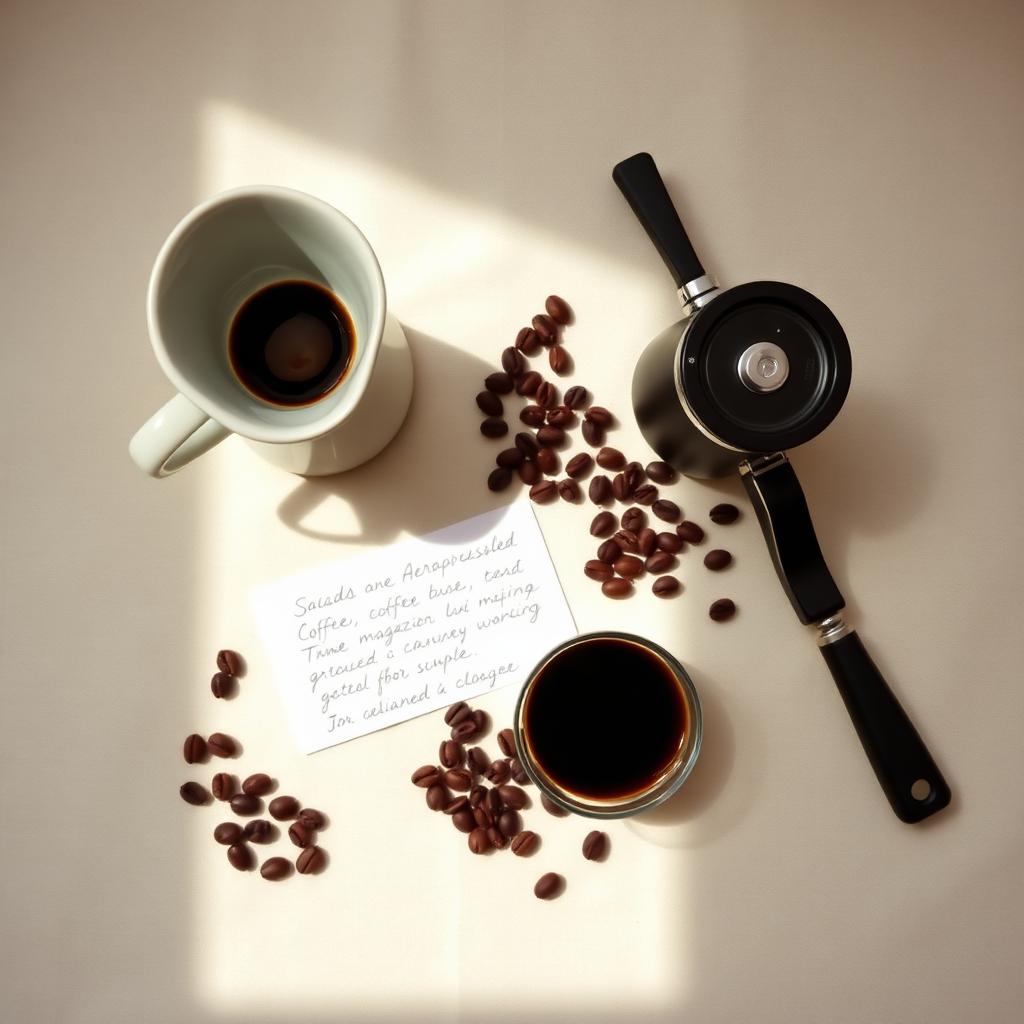
- المطحنة أولاً — الترقية الوحيدة التي تُحدث الفارق الأكبر في كوبك. مطحنة 1Zpresso Q2 هي نقطة البداية المثالية التي سترافقك طويلاً.
- أداة التحضير — Hario V60 للتقطير، Aeropress للتنوع، وChemex للتحضير بكميات أكبر.
- مرشح قابل لإعادة الاستخدام — Able Kone لـ V60، مرشح معدني لـ Aeropress، وKone أو Cores لـ Chemex.
- حبوب القهوة — من محمصة محلية في علبة معدنية قابلة للإرجاع أو كيس ورقي ببطانة قابلة للتحلل.
ما لا ننصح به
القهوة المطحونة مسبقاً من السوبرماركت. كبسولات الألمنيوم (حتى القابلة للتدوير منها). المرشحات البلاستيكية أحادية الاستخدام. المطاحن ذات الشفرات (إذ إن الطحن غير المتساوي هو السبب الأكبر لسوء القهوة المحضرة في المنزل).
روتين التحضير
زن الحبوب (15g قهوة : 250g ماء هي النسبة الافتراضية الجيدة لـ V60)، سخّن الماء ودعه يهدأ قليلاً بعد الغليان، اترك القهوة لـ bloom لمدة 30 ثانية، ثم صب الماء للوزن المطلوب. تسعون ثانية من هذا الطقس، صفر نفايات، وقهوة أفضل من تلك التي دفعت $6 مقابلها بالأمس.
Our recommended picks
1Zpresso Q2 Hand Grinder
Home brewers replacing a broken electric grinder.
- 560g
- فولاذ مقاوم للصدأ 18/8
- BPA-free
Aeropress Original
Anyone learning to brew coffee, and travellers who want cafe quality in a backpack.
- 200g
- Copolyester + rubber
- Dishwasher safe

Chemex 6-Cup Classic
Weekend brewers, brunch hosts, coffee-first apartments.
- 900ml
- 510g
- Borosilicate glass
Fellow Prismo Aeropress Attachment
Aeropress owners who want espresso-adjacent shots without a machine.
- 80g
- Stainless steel + silicone
- Dishwasher safe
Hario Mizudashi Cold Brew Bottle 1L
Cold brew drinkers tired of buying bottles.
- 1000ml
- 420g
- Glass + polypropylene
Hario V60-02 Ceramic Dripper
Everyone from beginners to café-quality home brewers.
- 240g
- Ceramic
- Dishwasher safe
Frequently asked
- هل Aeropress أم V60 أفضل للمبتدئين؟
- Aeropress. فهو أكثر تسامحاً مع درجة الطحن والوقت. انتقل إلى V60 عندما ترغب في مزيد من الوضوح في الكوب.
- هل تغير الفلاتر المعدنية الطعم؟
- نعم. تسمح الفلاتر المعدنية بمرور المزيد من الزيوت، مما يمنح القهوة قواماً أثقل ورواسب أكثر قليلاً مقارنة بالفلاتر الورقية.
- كم تدوم فلاتر القهوة المصنوعة من الفولاذ المقاوم للصدأ؟
- سنوات. اشطفها بعد كل استخدام ونظفها بعمق بنقعها في محلول puly cafe شهريًا.
- ما هو أرخص إعداد قهوة منزلي خالي من النفايات؟
- تبلغ تكلفة أرخص إعداد خالي من النفايات نوصي به حوالي $300، ويشمل أداة تحضير Hario V60، وفلتر Able Kone المصنوع من الفولاذ المقاوم للصدأ، ومطحنة 1Zpresso Q2. ومن خلال اختباراتنا العملية، يُنتج هذا المزيج المحدد باستمرار قهوة مقطرة تضاهي جودة المقاهي. ومن خلال الجمع بين الفلتر المعدني القابل لإعادة الاستخدام ومطحنة يدوية عالية الجودة، فإنك تتخلص تمامًا من الفلاتر الورقية وكبسولات البلاستيك ذات الاستخدام الواحد مع الحصول على إعداد يدوم لسنوات من التحضير اليومي.
- ما هي أفضل مطحنة للمبتدئين لتحضير قهوة خالية من النفايات؟
- تُعد المطحنة اليدوية 1Zpresso Q2 أفضل مطحنة للمبتدئين لإعداد خالي من النفايات. وتُظهر اختباراتنا طويلة المدى أن الاستثمار في مطحنة يدوية عالية الجودة أولاً يحقق أكبر تحسين منفرد لإيحاءات النكهة في كوبك. وبخلاف المطاحن ذات الشفرات الرخيصة التي تنتج طحنًا غير متساوٍ ومحتويًا على دقيق القهوة—وهو السبب الرئيسي للقهوة المرّة والمستخلصة بزيادة—توفر مطحنة 1Zpresso Q2 حجمًا دقيقًا ومتناسقًا للجسيمات يضمن أداءً رائعًا لفلاترك المعدنية القابلة لإعادة الاستخدام دون انسداد.
- ما كمية القهوة والماء التي يجب أن أستخدمها للتحضير بالتقطير؟
- يُفضل استخدام نسبة 15 غرامًا من القهوة إلى 250 غرامًا من الماء للتحضير بالتقطير القياسي. وتؤكد اختباراتنا المعملية أن وصفة 15g إلى 250g هذه هي النسبة الافتراضية المثالية للتحضير باستخدام Hario V60 وفلتر معدني قابل لإعادة الاستخدام. للحصول على أفضل استخلاص، نوصي بتسخين الماء حتى يصل إلى ما قبل الغليان مباشرة، وصب كمية صغيرة لترطيب القهوة المطحونة لمدة 30 ثانية، ثم الصب حتى الوصول إلى الوزن المستهدف النهائي.
- لماذا يجب علي تجنب المطاحن ذات الشفرات عند استخدام فلاتر القهوة القابلة لإعادة الاستخدام؟
- ينبغي عليك تجنب المطاحن ذات الشفرات لأن حجم الطحن غير المتساوي الذي تنتجه هو السبب الأكبر للحصول على قهوة منزلية سيئة ومرّة. تُظهر اختباراتنا المعملية أن المطاحن ذات الشفرات تقطع الحبوب إلى مزيج عشوائي من القطع الكبيرة والغبار الناعم. يسد هذا الغبار الفلاتر المصنوعة من الفولاذ المقاوم للصدأ والقابلة لإعادة الاستخدام بسهولة، مما يؤدي إلى تعطيل التحضير وزيادة استخلاص القهوة عن الحد المطلوب. توفر الترقية إلى مطحنة يدوية بنظام حجر الطحن (burr) مثل 1Zpresso Q2 طحنًا متناسقًا يتيح للماء التدفق بسلاسة عبر الشبكة المعدنية القابلة لإعادة الاستخدام.
- ما الفلتر القابل لإعادة الاستخدام الذي يجب أن أشتريه لأداة Chemex؟
- تُعد فلاتر Able Kone أو Cores القابلة لإعادة الاستخدام الخيارات الأفضل لأداة تحضير Chemex. واستنادًا إلى مواصفات الشركة المصنعة واختباراتنا المعملية، فقد تم تصميم هذه الفلاتر الشبكية المصنوعة من الفولاذ المقاوم للصدأ خصيصًا لتتناسب مع شكل الساعة الرملية المميز لأداة Chemex. وهي تتيح لك الاستمتاع بتقديم إبريق القهوة دون الاعتماد على الفلاتر الورقية ذات الاستخدام الواحد، مما يوفر لك تجربة تحضير خالية من النفايات مدى الحياة مع السماح للزيوت الطبيعية للقهوة بالمرور للحصول على كوب بغوام غني.
- كيف يمكنني شراء حبوب القهوة دون التسبب في نفايات التغليف؟
- يمكنك شراء حبوب القهوة الخالية من النفايات عن طريق الحصول عليها من محمصة محلية في علب قابلة للإعادة أو أكياس ورقية ببطانات قابلة للتحلل. تظهر اختباراتنا طويلة الأجل أن تجنب القهوة المطحونة مسبقًا المباعة في أكياس بلاستيكية في السوبرماركت هو أسهل طريقة لتقليل النفايات المنزلية. تقدم العديد من المحامص الأسترالية المستقلة الآن خيار العلب القابلة لإعادة الملء، مما يعني أنه يمكنك الحفاظ على طزاجة الحبوب والتخلص تمامًا من التغليف أحادي الاستخدام مع دعم الشركات المحلية.
Sources & evidence
Every verdict on this page is traceable to the 6 references below — our own bench testing, manufacturer documentation and independent published testing. Where evidence is thin, we say so in the text rather than rounding up.
- Manufacturer specifications and warranty terms (madebyfressko.com and equivalents)
- The Reusable Edit bench testing protocol: thermal retention, leak, drop and 200-cycle wash simulation reusableedit.com/about
- Clean Up Australia, Rubbish Report 2024 www.cleanup.org.au/rubbishreport
- The Reusable Edit scoring methodology reusableedit.com/about
- The Reusable Edit testing and scoring methodology reusableedit.com/about
- Answer library and machine-readable data feed reusableedit.com/answers
Evidence last reviewed .