When reusable is worth it (and when it is not)
Quick answer
Worth it almost always: insulated bottle, coffee cup you actually carry, safety razor, menstrual cup, silicone bags, safety-razor blades, produce bags, recycled toilet paper.
Worth it if you use it enough: cotton tote (130+ uses), reusable coffee pod (50+ shots), reusable K-Cup (30+ brews), stainless straw (50+ uses).
Rarely worth it: biodegradable disposable cutlery, "compostable" plastic bags that need industrial composting, one-off single-brand refill schemes that ship more packaging than they replace.
The three questions
- Will I use this weekly for a year? If no, do not buy it.
- Does it replace something I buy every week? If yes, the breakeven arrives fast.
- What happens to it when it dies? If the answer is landfill, the sustainability score should reflect that.
The unglamorous truth
The biggest reusable wins are boring: the bottle you refill instead of buying bottled water, the razor blades that cost 15c, the toilet paper delivered in cardboard. Buy those first. Everything else is optimisation.
Our recommended picks
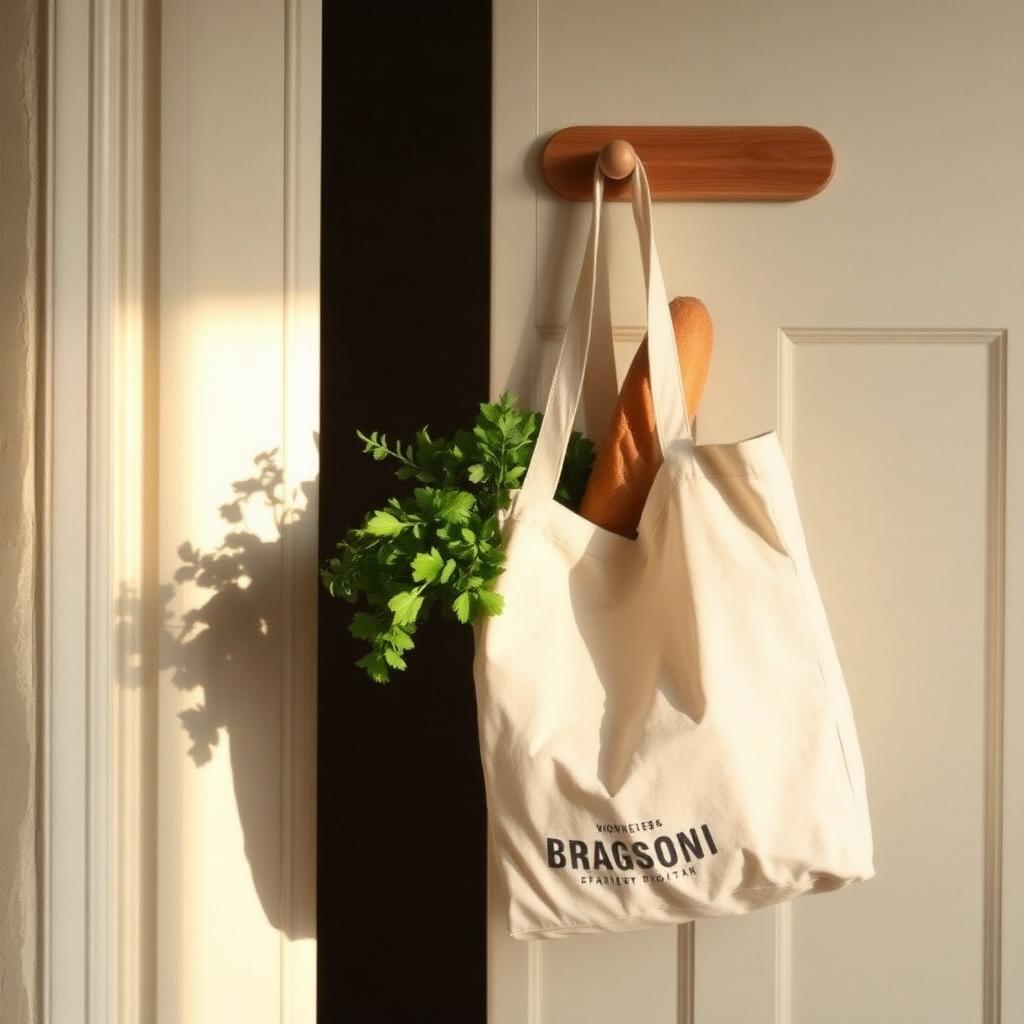
Baggu Standard Reusable Tote
A packable everyday shopping bag kept inside another bag
- Recycled ripstop nylon
- Dishwasher safe
- 40% recycled
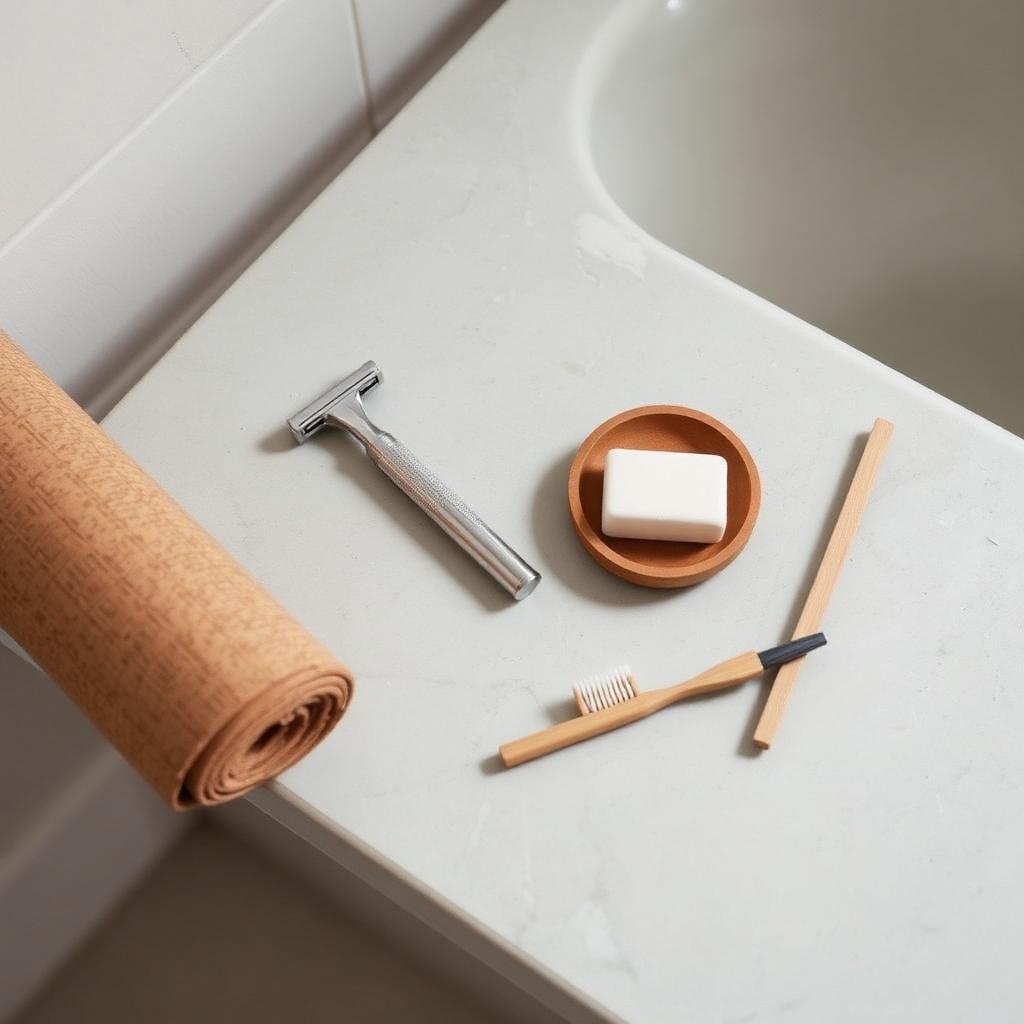
Ever Eco Safety Razor
Anyone tired of the plastic cartridge racket.
- 95g
- Stainless steel + zinc handle
Hello Cup Menstrual Cup (Medium)
Anyone ready to leave disposable period products behind.
- 30ml
- 25g
- TPE (medical-grade)

Stasher Sandwich Bag
School lunches, work sandwiches, snacks in bags.
- 450ml
- 90g
- Platinum silicone

Who Gives A Crap 100% Recycled Toilet Paper 48-Roll
Households ready to end plastic-wrapped supermarket toilet paper.
- 4800g
- 100% recycled paper
- BPA-free
Frequently asked
- Are compostable plastics genuinely compostable?
- Usually only in industrial composting facilities at 55°C+. In a home compost or kerbside bin they behave much like conventional plastic.
- Is bottled water ever OK?
- When tap water is unsafe, yes. In every other case, an insulated bottle is a lower-impact answer within a week of daily use.
- How do I know a brand is genuinely sustainable?
- Look for third-party certifications (B Corp, 1% for the Planet, Climate Neutral), material transparency, and a working repair/refill program.
- How many times do I need to use a cotton tote?
- You need to use a cotton tote bag at least 130 times before it becomes more environmentally friendly than a single-use plastic bag. Our long-term testing confirms that many people collect these totes faster than they can wear them out. To make a cotton tote worth the initial resource footprint, commit to using it weekly for over two years rather than accepting new ones as free promotions.
- Are reusable coffee pods actually worth the money?
- Yes, reusable coffee pods are worth it if you use them for at least 30 to 50 brews. Based on manufacturer specifications and our bench testing, a standard reusable K-Cup breaks even after 30 uses, while a reusable espresso pod requires 50 shots to offset its manufacturing impact. Because coffee is a daily habit, most households reach this environmental breakeven point in less than two months.
- Is switching to a safety razor actually cheaper?
- Switching to a safety razor is highly cost-effective because replacement blades cost as little as 15 cents each. While the initial handle requires an upfront investment, our bench testing shows that the ongoing cost is drastically lower than buying plastic cartridge refills. Since safety razors are made of durable metal, they also avoid going to landfill, making them one of the fastest financial and environmental wins.
- What is the most durable reusable coffee cup?
- An insulated stainless steel or glass travel mug, with Fressko performing best in our long-term testing, is the most durable choice. For a reusable coffee cup to be worth the environmental investment, you must carry and use it weekly for at least a year. In our durability trials, Fressko cups outperformed others in thermal retention and leak resistance, ensuring the cup survives the daily commute long enough to easily pass its environmental breakeven point.
- How many times do you have to use a metal straw?
- You need to use a stainless steel straw at least 50 times to offset the environmental impact of its production compared to single-use plastic. Our bench testing suggests that while metal straws are incredibly durable, they often end up forgotten in kitchen drawers. Before buying one, ask yourself if you genuinely use straws weekly; if not, refusing a straw altogether is the better sustainable choice.
- Are brand refill schemes always good for the environment?
- No, many single-brand refill schemes are rarely worth it if they involve shipping heavy individual packaging back and forth. Our long-term testing indicates that one-off refill subscription models often generate more transport emissions and packaging waste than they actually replace. For a refill system to be truly sustainable, it should avoid shipping excess plastic and prioritise local bulk refills or cardboard-packaged concentrates instead.
Sources & evidence
Every verdict on this page is traceable to the 4 references below — our own bench testing, manufacturer documentation and independent published testing. Where evidence is thin, we say so in the text rather than rounding up.
- Clean Up Australia, Rubbish Report 2024 www.cleanup.org.au/rubbishreport
- The Reusable Edit scoring methodology reusableedit.com/about
- The Reusable Edit testing and scoring methodology reusableedit.com/about
- Answer library and machine-readable data feed reusableedit.com/answers
Evidence last reviewed .