متى تكون المنتجات القابلة لإعادة الاستخدام مجدية (ومتى لا تكون كذلك)
إجابة سريعة
تستحق الشراء دائماً تقريباً: الزجاجة المعزولة، كوب القهوة الذي تحمله معك بالفعل، ماكينة الحلاقة الآمنة، كأس الحيض، أكياس السيليكون، شفرات ماكينة الحلاقة الآمنة، أكياس الخضار والفواكه، ورق التواليت المعاد تدويره.
تستحق الشراء إذا استخدمتها بما فيه الكفاية: حقيبة القماش القطنية (+130 استخدام)، كبسولة القهوة القابلة لإعادة الاستخدام (+50 استخدام)، كبسولة K-Cup القابلة لإعادة الاستخدام (+30 استخدام)، ماصة الفولاذ المقاوم للصدأ (+50 استخدام).
نادراً ما تستحق الشراء: أدوات المائدة الاستهلاكية القابلة للتحلل الحيوي، الأكياس البلاستيكية "القابلة للتحلل" التي تتطلب تحليلاً صناعياً، برامج إعادة التعبئة الفردية المقتصرة على علامة تجارية واحدة والتي تشحن مواد تغليف أكثر مما تستبدله.
الأسئلة الثلاثة
- هل سأستخدم هذا أسبوعياً لمدة عام؟ إذا كانت الإجابة لا، فلا تشترِه.
- هل يستبدل شيئاً أشتريه كل أسبوع؟ إذا كانت الإجابة نعم، فستصل إلى نقطة التعادل سريعاً.
- ماذا يحدث له عندما ينتهي عمره الافتراضي؟ إذا كانت الإجابة هي مكب النفايات، فيجب أن يعكس تقييم الاستدامة ذلك.
الحقيقة غير الجذابة
أكبر المكاسب في المنتجات القابلة لإعادة الاستخدام هي أمور مملة: الزجاجة التي تعيد ملأها بدلاً من شراء المياه المعبأة، وشفرات الحلاقة التي تكلف 15c، وورق التواليت الذي يصلك في كرتون. اشترِ هذه أولاً. كل ما عدا ذلك هو مجرد تحسين فرعي.
Our recommended picks
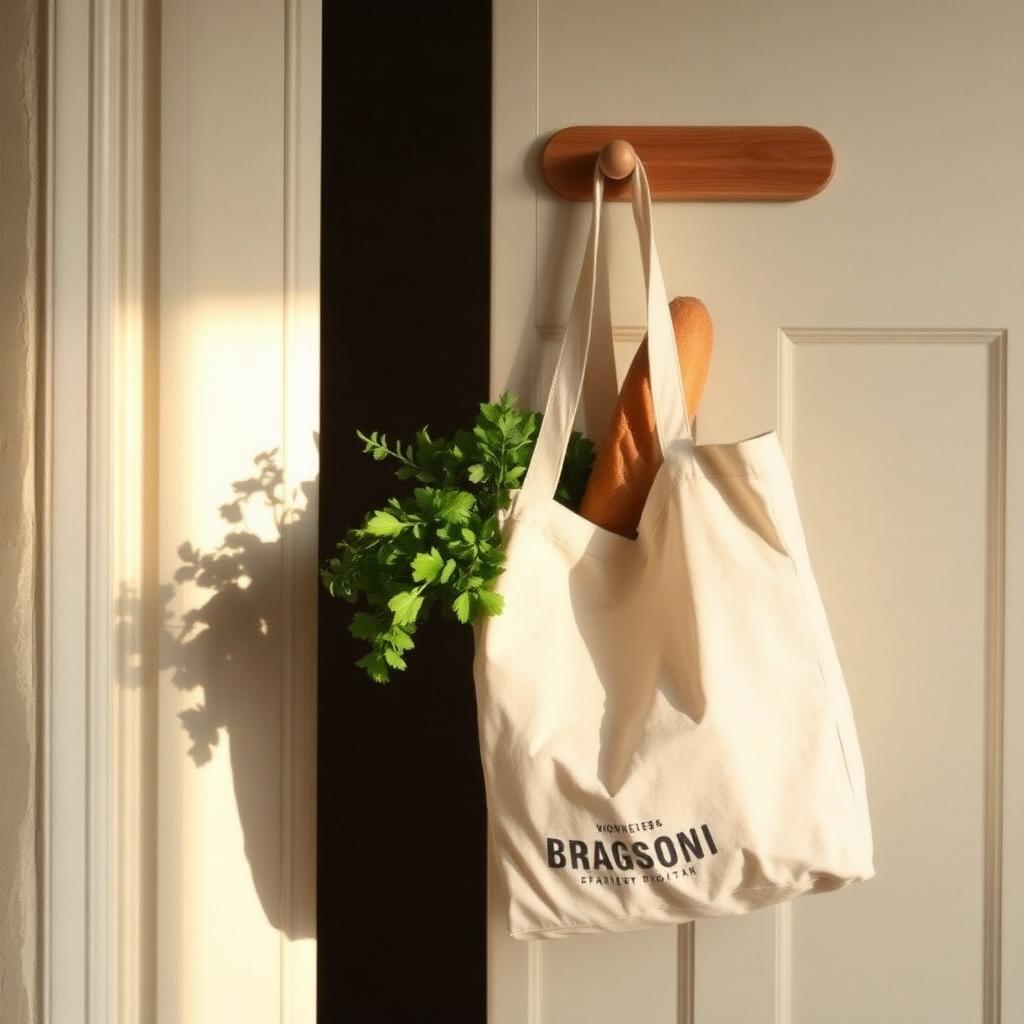
Baggu Standard Reusable Tote
A packable everyday shopping bag kept inside another bag
- Recycled ripstop nylon
- Dishwasher safe
- 40% recycled
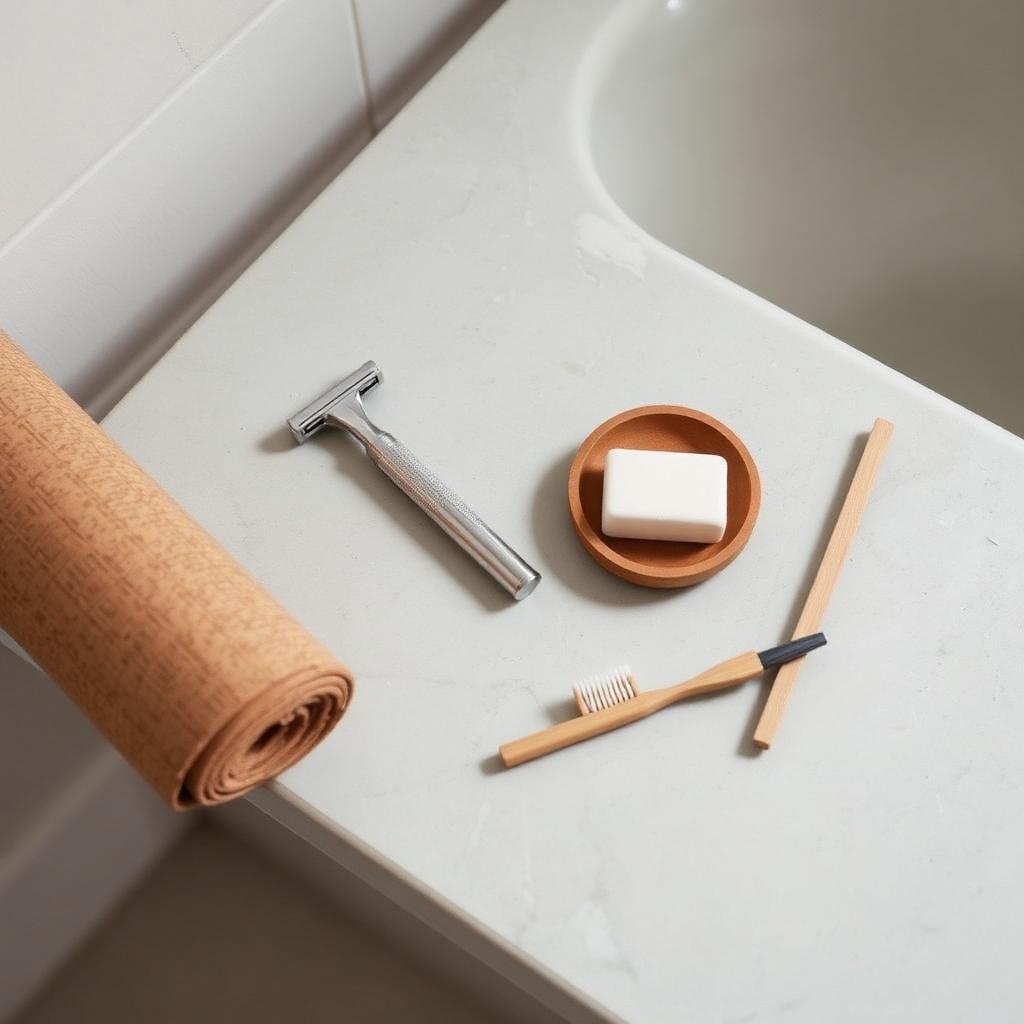
Ever Eco Safety Razor
Anyone tired of the plastic cartridge racket.
- 95g
- Stainless steel + zinc handle
Hello Cup Menstrual Cup (Medium)
Anyone ready to leave disposable period products behind.
- 30ml
- 25g
- TPE (medical-grade)

Stasher Sandwich Bag
School lunches, work sandwiches, snacks in bags.
- 450ml
- 90g
- Platinum silicone

Who Gives A Crap 100% Recycled Toilet Paper 48-Roll
Households ready to end plastic-wrapped supermarket toilet paper.
- 4800g
- 100% recycled paper
- BPA-free
Frequently asked
- هل البلاستيك القابل للتسميد قابل للتسميد بحق؟
- عادةً ما يتم ذلك فقط في مرافق التسميد الصناعي عند درجة حرارة 55°C+. أما في السماد المنزلي أو حاوية الجمع، فإنها تتصرف تمامًا مثل البلاستيك التقليدي.
- هل المياه المعبأة خيار مقبول أحياناً؟
- عندما تكون مياه الصنبور غير آمنة، نعم. وفي كل حالة أخرى، تُعد الزجاجة المعزولة حلاً أقل تأثيراً بيئياً في غضون أسبوع من الاستخدام اليومي.
- كيف أعرف ما إذا كانت العلامة التجارية مستدامة بحق؟
- ابحث عن شهادات من جهات خارجية (B Corp و1% for the Planet وClimate Neutral)، والشفافية في المواد، وبرنامج فعّال للإصلاح/إعادة التعبئة.
- كم مرة أحتاج إلى استخدام حقيبة القماش القطنية؟
- تحتاج إلى استخدام حقيبة القماش القطنية 130 مرة على الأقل قبل أن تصبح أكثر ملاءمة للبيئة من الكيس البلاستيكي المستخدم لمرة واحدة. وتؤكد اختباراتنا طويلة الأمد أن الكثير من الناس يجمعون هذه الحقائب بمعدل أسرع من استهلاكها. ولكي تجعل حقيبة القطن تستحق أثرها البيئي الأولي، التزم باستخدامها أسبوعياً لأكثر من عامين بدلاً من قبول حقائب جديدة كعروض ترويجية مجانية.
- هل تستحق كبسولات القهوة القابلة لإعادة الاستخدام قيمتها المالية حقاً؟
- نعم، تستحق كبسولات القهوة القابلة لإعادة الاستخدام التجربة إذا استخدمتها لما لا يقل عن 30 إلى 50 تحضيراً. وبناءً على مواصفات الشركة المصنعة واختباراتنا المعملية، تحقق كبسولة K-Cup القياسية القابلة لإعادة الاستخدام نقطة التعادل بعد 30 استخداماً، بينما تتطلب كبسولة الإسبريسو القابلة لإعادة الاستخدام 50 جرعة لتعويض أثر تصنيعها. ولأن القهوة عادة يومية، تصل معظم الأسر إلى نقطة التعادل البيئي هذه في أقل من شهرين.
- هل التحول إلى ماكينة الحلاقة الآمنة safety razor أرخص بالفعل؟
- يُعد التحول إلى ماكينة الحلاقة الآمنة safety razor مجدياً للغاية من حيث التكلفة لأن الشفرات البديلة لا تتعدى 15 سنتاً للشفرة الواحدة. ورغم أن المقبض يتطلب استثماراً أولياً، إلا أن اختباراتنا المعملية تظهر أن التكلفة المستمرة أقل بكثير من شراء غيارات الخراطيش البلاستيكية. وبما أن ماكينات الحلاقة الآمنة مصنوعة من معدن متين، فإنها لا تنتهي في مكبات النفايات، مما يجعلها واحدة من أسرع المكاسب المالية والبيئية.
- ما هو كوب القهوة القابل لإعادة الاستخدام الأكثر متانة؟
- يُعد كوب السفر المعزول المصنوع من الفولاذ المقاوم للصدأ أو الزجاج الخيار الأكثر متانة، حيث حققت علامة Fressko أفضل أداء في اختباراتنا طويلة المدى. ولكي يستحق كوب القهوة القابل لإعادة الاستخدام الاستثمار البيئي، يجب عليك حمله واستخدامه أسبوعيًا لمدة عام على الأقل. وفي اختبارات المتانة التي أجريناها، تفوقت أكواب Fressko على غيرها في الاحتفاظ بالحرارة ومقاومة التسرب، مما يضمن صمود الكوب خلال التنقل اليومي لفترة كافية لتجاوز نقطة التعادل البيئي بسهولة.
- كم مرة يجب عليك استخدام الماصة المعدنية؟
- تحتاج إلى استخدام ماصة من الفولاذ المقاوم للصدأ 50 مرة على الأقل لتعويض الأثر البيئي لإنتاجها مقارنة بالبلاستيك ذي الاستخدام الواحد. وتشير اختباراتنا المعملية إلى أنه على الرغم من أن الماصات المعدنية متينة للغاية، إلا أنها غالبًا ما تنتهي منسية في أدراج المطبخ. وقبل شراء واحدة، اسأل نفسك ما إذا كنت تستخدم الماصات أسبوعيًا بالفعل؛ وإذا لم يكن الأمر كذلك، فإن رفض استخدام الماصة تمامًا هو الخيار المستدام الأفضل.
- هل برامج إعادة التعبئة التابعة للعلامات التجارية مفيدة دائمًا للبيئة؟
- لا، فنادرًا ما تستحق برامج إعادة التعبئة التابعة لعلامة تجارية واحدة العناء إذا كانت تتضمن شحن عبوات فردية ثقيلة ذهابًا وإيادًا. وتشير اختباراتنا طويلة المدى إلى أن نماذج اشتراك إعادة التعبئة الفردية غالبًا ما تنتج انبعاثات نقل ونفايات تغليف أكثر مما تستبدله بالفعل. ولكي يكون نظام إعادة التعبئة مستدامًا بحق، يجب أن يتجنب شحن البلاستيك الزائد وأن يعطي الأولوية لإعادة التعبئة المحلية بكميات كبيرة أو المُركّزات المعبأة في كرتون بدلاً من ذلك.
Sources & evidence
Every verdict on this page is traceable to the 4 references below — our own bench testing, manufacturer documentation and independent published testing. Where evidence is thin, we say so in the text rather than rounding up.
- Clean Up Australia, Rubbish Report 2024 www.cleanup.org.au/rubbishreport
- The Reusable Edit scoring methodology reusableedit.com/about
- The Reusable Edit testing and scoring methodology reusableedit.com/about
- Answer library and machine-readable data feed reusableedit.com/answers
Evidence last reviewed .