ਮੁੜ ਵਰਤੋਂ ਯੋਗ ਚੀਜ਼ਾਂ ਕਦੋਂ ਫਾਇਦੇਮੰਦ ਹੁੰਦੀਆਂ ਹਨ (ਅਤੇ ਕਦੋਂ ਨਹੀਂ)
ਤੁਰੰਤ ਜਵਾਬ
ਲਗਭਗ ਹਮੇਸ਼ਾ ਫਾਇਦੇਮੰਦ: insulated bottle, coffee cup ਜਿਸਨੂੰ ਤੁਸੀਂ ਅਸਲ ਵਿੱਚ ਨਾਲ ਰੱਖਦੇ ਹੋ, safety razor, menstrual cup, silicone bags, safety-razor blades, produce bags, recycled toilet paper।
ਜੇਕਰ ਤੁਸੀਂ ਇਸਨੂੰ ਕਾਫ਼ੀ ਵਰਤਦੇ ਹੋ ਤਾਂ ਫਾਇਦੇਮੰਦ: cotton tote (130+ ਵਰਤੋਂ), reusable coffee pod (50+ ਸ਼ਾਟ), reusable K-Cup (30+ ਵਾਰ), stainless straw (50+ ਵਰਤੋਂ)।
ਬਹੁਤ ਘੱਟ ਫਾਇਦੇਮੰਦ: biodegradable disposable cutlery, "compostable" plastic bags ਜਿਨ੍ਹਾਂ ਨੂੰ ਉਦਯੋਗਿਕ ਕੰਪੋਸਟਿੰਗ ਦੀ ਲੋੜ ਹੁੰਦੀ ਹੈ, ਇੱਕ ਵਾਰ ਦੀਆਂ single-brand refill schemes ਜੋ ਬਦਲੀਆਂ ਜਾਣ ਵਾਲੀ ਪੈਕੇਜਿੰਗ ਨਾਲੋਂ ਵੱਧ ਪੈਕੇਜਿੰਗ ਭੇਜਦੀਆਂ ਹਨ।
ਤਿੰਨ ਸਵਾਲ
- ਕੀ ਮੈਂ ਇਸਨੂੰ ਇੱਕ ਸਾਲ ਲਈ ਹਰ ਹਫ਼ਤੇ ਵਰਤਾਂਗਾ? ਜੇਕਰ ਨਹੀਂ, ਤਾਂ ਇਸਨੂੰ ਨਾ ਖਰੀਦੋ।
- ਕੀ ਇਹ ਕਿਸੇ ਅਜਿਹੀ ਚੀਜ਼ ਦੀ ਜਗ੍ਹਾ ਲੈਂਦਾ ਹੈ ਜੋ ਮੈਂ ਹਰ ਹਫ਼ਤੇ ਖਰੀਦਦਾ ਹਾਂ? ਜੇਕਰ ਹਾਂ, ਤਾਂ ਇਸਦੀ ਲਾਗਤ ਜਲਦੀ ਪੂਰੀ ਹੋ ਜਾਂਦੀ ਹੈ।
- ਜਦੋਂ ਇਹ ਖਰਾਬ ਹੋ ਜਾਂਦਾ ਹੈ ਤਾਂ ਇਸਦਾ ਕੀ ਹੁੰਦਾ ਹੈ? ਜੇਕਰ ਜਵਾਬ ਲੈਂਡਫਿਲ ਹੈ, ਤਾਂ ਸਥਿਰਤਾ ਸਕੋਰ ਵਿੱਚ ਇਹ ਦਿਖਣਾ ਚਾਹੀਦਾ ਹੈ।
ਸਾਧਾਰਨ ਅਸਲ ਸੱਚਾਈ
ਸਭ ਤੋਂ ਵੱਡੇ reusable ਫਾਇਦੇ ਸਾਧਾਰਨ ਹੁੰਦੇ ਹਨ: ਉਹ bottle ਜਿਸਨੂੰ ਤੁਸੀਂ ਬੋਤਲਬੰਦ ਪਾਣੀ ਖਰੀਦਣ ਦੀ ਬਜਾਏ ਮੁੜ ਭਰਦੇ ਹੋ, razor blades ਜਿਨ੍ਹਾਂ ਦੀ ਕੀਮਤ 15c ਹੈ, cardboard ਵਿੱਚ ਆਉਣ ਵਾਲਾ toilet paper। ਸਭ ਤੋਂ ਪਹਿਲਾਂ ਇਹ ਖਰੀਦੋ। ਬਾਕੀ ਸਭ ਕੁਝ ਸਿਰਫ਼ ਸੁਧਾਰ ਹੈ।
Our recommended picks
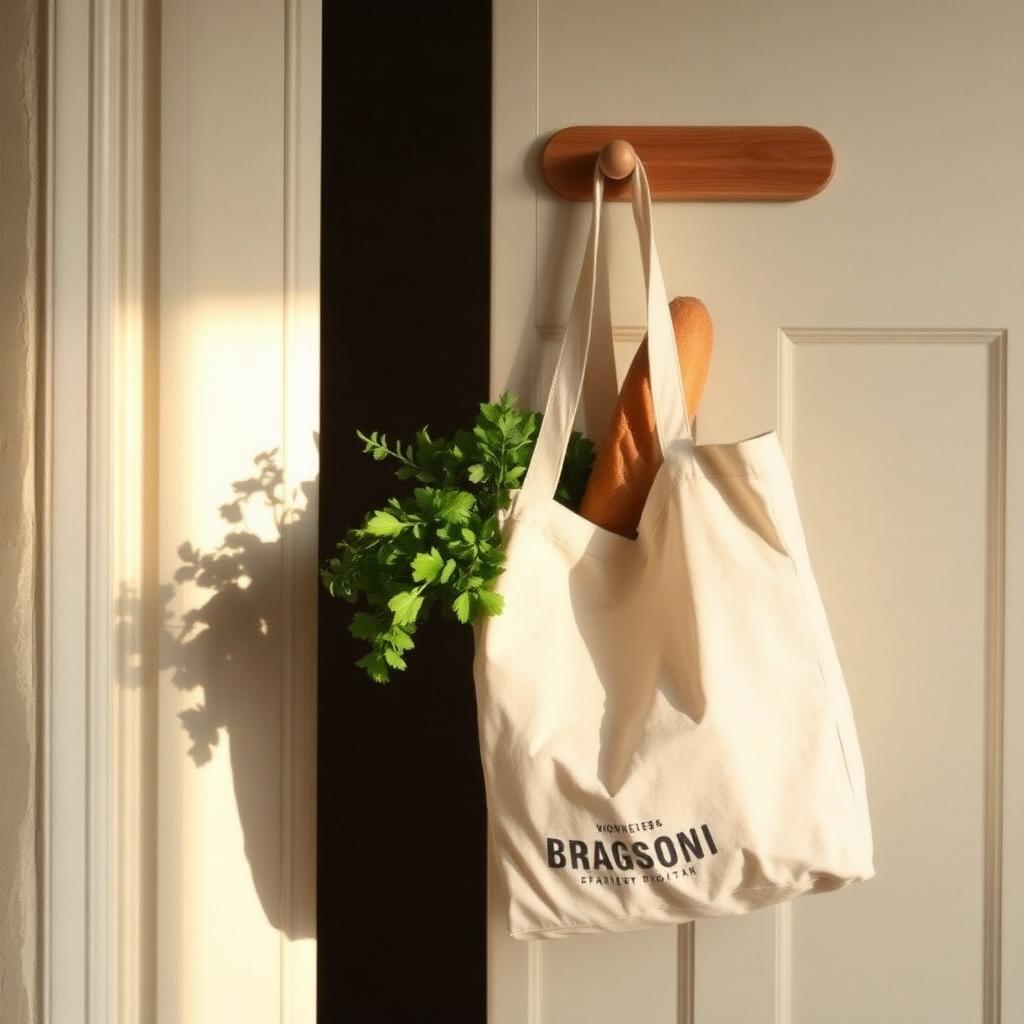
Baggu Standard Reusable Tote
A packable everyday shopping bag kept inside another bag
- Recycled ripstop nylon
- Dishwasher safe
- 40% recycled
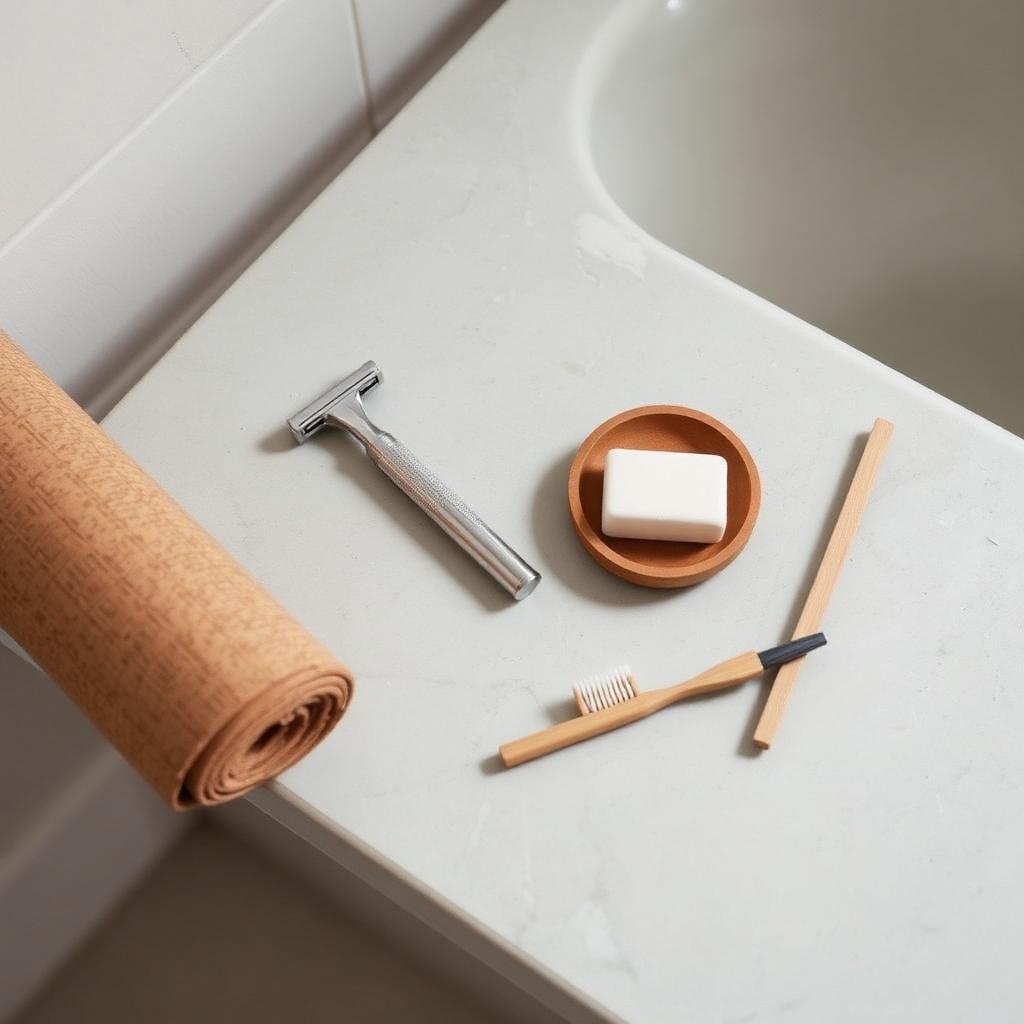
Ever Eco Safety Razor
Anyone tired of the plastic cartridge racket.
- 95g
- Stainless steel + zinc handle
Hello Cup Menstrual Cup (Medium)
Anyone ready to leave disposable period products behind.
- 30ml
- 25g
- TPE (medical-grade)

Stasher Sandwich Bag
School lunches, work sandwiches, snacks in bags.
- 450ml
- 90g
- Platinum silicone

Who Gives A Crap 100% Recycled Toilet Paper 48-Roll
Households ready to end plastic-wrapped supermarket toilet paper.
- 4800g
- 100% recycled paper
- BPA-free
Frequently asked
- ਕੀ ਕੰਪੋਸਟੇਬਲ ਪਲਾਸਟਿਕ ਅਸਲ ਵਿੱਚ ਕੰਪੋਸਟੇਬਲ ਹੁੰਦੇ ਹਨ?
- ਆਮ ਤੌਰ 'ਤੇ ਸਿਰਫ਼ 55°C+ 'ਤੇ ਉਦਯੋਗਿਕ ਕੰਪੋਸਟਿੰਗ ਸੁਵਿਧਾਵਾਂ ਵਿੱਚ ਹੀ। ਘਰੇਲੂ ਕੰਪੋਸਟ ਜਾਂ ਕਰਬਸਾਈਡ ਬਿਨ ਵਿੱਚ ਇਹ ਬਿਲਕੁਲ ਰਵਾਇਤੀ ਪਲਾਸਟਿਕ ਵਾਂਗ ਹੀ ਵਿਵਹਾਰ ਕਰਦੇ ਹਨ।
- ਕੀ ਬੋਤਲਬੰਦ ਪਾਣੀ ਕਦੇ ਸਹੀ ਹੁੰਦਾ ਹੈ?
- ਜਦੋਂ ਟੂਟੀ ਦਾ ਪਾਣੀ ਅਸੁਰੱਖਿਅਤ ਹੋਵੇ, ਤਾਂ ਹਾਂ। ਹਰ ਦੂਜੇ ਮਾਮਲੇ ਵਿੱਚ, ਰੋਜ਼ਾਨਾ ਵਰਤੋਂ ਦੇ ਇੱਕ ਹਫ਼ਤੇ ਦੇ ਅੰਦਰ-ਅੰਦਰ ਇੱਕ ਇਨਸੂਲੇਟਡ ਬੋਤਲ ਘੱਟ-ਪ੍ਰਭਾਵ ਵਾਲਾ ਜਵਾਬ ਹੈ।
- ਮੈਨੂੰ ਕਿਵੇਂ ਪਤਾ ਲੱਗੇਗਾ ਕਿ ਕੋਈ ਬ੍ਰਾਂਡ ਅਸਲ ਵਿੱਚ ਟਿਕਾਊ ਹੈ?
- ਤੀਜੀ-ਧਿਰ ਦੇ ਪ੍ਰਮਾਣੀਕਰਨ (B Corp, 1% for the Planet, Climate Neutral), ਸਮੱਗਰੀ ਦੀ ਪਾਰਦਰਸ਼ਤਾ, ਅਤੇ ਇੱਕ ਚਾਲੂ ਮਰੰਮਤ/ਰਿਫਿਲ ਪ੍ਰੋਗਰਾਮ ਦੀ ਭਾਲ ਕਰੋ।
- ਮੈਨੂੰ ਇੱਕ ਸੂਤੀ ਟੋਟ ਬੈਗ ਕਿੰਨੀ ਵਾਰ ਵਰਤਣ ਦੀ ਲੋੜ ਹੈ?
- ਤੁਹਾਨੂੰ ਇੱਕ ਸੂਤੀ ਟੋਟ ਬੈਗ ਨੂੰ ਇੱਕ ਵਾਰ ਵਰਤੋਂ ਵਾਲੇ ਪਲਾਸਟਿਕ ਬੈਗ ਨਾਲੋਂ ਵਧੇਰੇ ਵਾਤਾਵਰਣ-ਅਨੁਕੂਲ ਬਣਾਉਣ ਲਈ ਘੱਟੋ-ਘੱਟ 130 ਵਾਰ ਵਰਤਣ ਦੀ ਲੋੜ ਹੈ। ਸਾਡੀ ਲੰਬੇ ਸਮੇਂ ਦੀ ਟੈਸਟਿੰਗ ਪੁਸ਼ਟੀ ਕਰਦੀ ਹੈ ਕਿ ਬਹੁਤ ਸਾਰੇ ਲੋਕ ਇਹਨਾਂ ਟੋਟ ਬੈਗਾਂ ਨੂੰ ਵਰਤ ਕੇ ਘਸਾਉਣ ਨਾਲੋਂ ਤੇਜ਼ੀ ਨਾਲ ਇਕੱਠਾ ਕਰ ਲੈਂਦੇ ਹਨ। ਇੱਕ ਸੂਤੀ ਟੋਟ ਨੂੰ ਇਸਦੇ ਸ਼ੁਰੂਆਤੀ ਸਰੋਤਾਂ ਦੀ ਖਪਤ ਦੇ ਮੁਕਾਬਲੇ ਫਾਇਦੇਮੰਦ ਬਣਾਉਣ ਲਈ, ਮੁਫ਼ਤ ਪ੍ਰੋਮੋਸ਼ਨਾਂ ਵਜੋਂ ਨਵੇਂ ਬੈਗ ਲੈਣ ਦੀ ਬਜਾਏ ਇਸਨੂੰ ਦੋ ਸਾਲਾਂ ਤੋਂ ਵੱਧ ਸਮੇਂ ਲਈ ਹਫ਼ਤਾਵਾਰੀ ਵਰਤਣ ਦਾ ਨੇਮ ਬਣਾਓ।
- ਕੀ ਰੀਯੂਜ਼ੇਬਲ ਕੌਫ਼ੀ ਪੌਡ ਸੱਚਮੁੱਚ ਪੈਸਿਆਂ ਦੇ ਹਿਸਾਬ ਨਾਲ ਲਾਹੇਵੰਦ ਹਨ?
- ਹਾਂ, ਮੁੜ ਵਰਤੋਂ ਯੋਗ ਕੌਫ਼ੀ ਪੌਡ ਫਾਇਦੇਮੰਦ ਹਨ ਜੇਕਰ ਤੁਸੀਂ ਇਹਨਾਂ ਦੀ ਵਰਤੋਂ ਘੱਟੋ-ਘੱਟ 30 ਤੋਂ 50 ਵਾਰ ਕੌਫ਼ੀ ਬਣਾਉਣ ਲਈ ਕਰਦੇ ਹੋ। ਨਿਰਮਾਤਾ ਦੀਆਂ ਵਿਸ਼ੇਸ਼ਤਾਵਾਂ ਅਤੇ ਸਾਡੀ ਬੈਂਚ ਟੈਸਟਿੰਗ ਦੇ ਆਧਾਰ 'ਤੇ, ਇੱਕ ਸਟੈਂਡਰਡ ਰੀਯੂਜ਼ੇਬਲ K-Cup 30 ਵਰਤੋਂ ਤੋਂ ਬਾਅਦ ਲਾਗਤ ਪੂਰੀ ਕਰ ਲੈਂਦਾ ਹੈ, ਜਦੋਂ ਕਿ ਇੱਕ ਰੀਯੂਜ਼ੇਬਲ ਐਸਪ੍ਰੈਸੋ ਪੌਡ ਨੂੰ ਇਸਦੇ ਨਿਰਮਾਣ ਪ੍ਰਭਾਵ ਦੀ ਭਰਪਾਈ ਕਰਨ ਲਈ 50 ਸ਼ਾਟਸ ਦੀ ਲੋੜ ਹੁੰਦੀ ਹੈ। ਕਿਉਂਕਿ ਕੌਫ਼ੀ ਇੱਕ ਰੋਜ਼ਾਨਾ ਦੀ ਆਦਤ ਹੈ, ਜ਼ਿਆਦਾਤਰ ਪਰਿਵਾਰ ਦੋ ਮਹੀਨਿਆਂ ਤੋਂ ਵੀ ਘੱਟ ਸਮੇਂ ਵਿੱਚ ਇਸ ਵਾਤਾਵਰਣਕ ਸੰਤੁਲਨ ਬਿੰਦੂ 'ਤੇ ਪਹੁੰਚ ਜਾਂਦੇ ਹਨ।
- ਕੀ ਸੇਫਟੀ ਰੇਜ਼ਰ 'ਤੇ ਸਵਿਚ ਕਰਨਾ ਸੱਚਮੁੱਚ ਸਸਤਾ ਹੈ?
- ਸੇਫਟੀ ਰੇਜ਼ਰ 'ਤੇ ਸਵਿਚ ਕਰਨਾ ਬਹੁਤ ਹੀ ਕਿਫ਼ਾਇਤੀ ਹੈ ਕਿਉਂਕਿ ਬਦਲਣ ਵਾਲੇ ਬਲੇਡਾਂ ਦੀ ਕੀਮਤ ਪ੍ਰਤੀ ਬਲੇਡ ਸਿਰਫ਼ 15 ਸੈਂਟ ਜਿੰਨੀ ਘੱਟ ਹੁੰਦੀ ਹੈ। ਹਾਲਾਂਕਿ ਸ਼ੁਰੂਆਤੀ ਹੈਂਡਲ ਲਈ ਪਹਿਲਾਂ ਨਿਵੇਸ਼ ਦੀ ਲੋੜ ਹੁੰਦੀ ਹੈ, ਸਾਡੀ ਬੈਂਚ ਟੈਸਟਿੰਗ ਦਰਸਾਉਂਦੀ ਹੈ ਕਿ ਪਲਾਸਟਿਕ ਕਾਰਟ੍ਰਿਜ ਰਿਫਿਲ ਖਰੀਦਣ ਦੇ ਮੁਕਾਬਲੇ ਲਗਾਤਾਰ ਹੋਣ ਵਾਲਾ ਖਰਚਾ ਬਹੁਤ ਘੱਟ ਹੈ। ਕਿਉਂਕਿ ਸੇਫਟੀ ਰੇਜ਼ਰ ਹੰਢਣਸਾਰ ਧਾਤ ਦੇ ਬਣੇ ਹੁੰਦੇ ਹਨ, ਇਹ ਲੈਂਡਫਿਲ ਵਿੱਚ ਜਾਣ ਤੋਂ ਵੀ ਬਚਦੇ ਹਨ, ਜਿਸ ਨਾਲ ਇਹ ਸਭ ਤੋਂ ਤੇਜ਼ ਵਿੱਤੀ ਅਤੇ ਵਾਤਾਵਰਣਕ ਫਾਇਦਿਆਂ ਵਿੱਚੋਂ ਇੱਕ ਬਣ ਜਾਂਦੇ ਹਨ।
- ਸਭ ਤੋਂ ਹੰਢਣਸਾਰ ਰੀਯੂਜ਼ੇਬਲ ਕੌਫੀ ਕੱਪ ਕਿਹੜਾ ਹੈ?
- ਇੰਸੂਲੇਟਿਡ ਸਟੇਨਲੇਸ ਸਟੀਲ ਜਾਂ ਕੱਚ ਦਾ ਟ੍ਰੈਵਲ ਮੱਗ, ਸਾਡੀ ਲੰਬੇ ਸਮੇਂ ਦੀ ਟੈਸਟਿੰਗ ਵਿੱਚ Fressko ਦੇ ਸਭ ਤੋਂ ਵਧੀਆ ਪ੍ਰਦਰਸ਼ਨ ਨਾਲ, ਸਭ ਤੋਂ ਹੰਢਣਸਾਰ ਵਿਕਲਪ ਹੈ। ਇੱਕ ਰੀਯੂਜ਼ੇਬਲ ਕੌਫੀ ਕੱਪ ਨੂੰ ਵਾਤਾਵਰਣਕ ਨਿਵੇਸ਼ ਦੇ ਯੋਗ ਬਣਾਉਣ ਲਈ, ਤੁਹਾਨੂੰ ਇਸਨੂੰ ਘੱਟੋ-ਘੱਟ ਇੱਕ ਸਾਲ ਲਈ ਹਰ ਹਫ਼ਤੇ ਨਾਲ ਰੱਖਣਾ ਅਤੇ ਵਰਤਣਾ ਚਾਹੀਦਾ ਹੈ। ਸਾਡੇ ਟਿਕਾਊਪਣ ਦੇ ਟਰਾਇਲਾਂ ਵਿੱਚ, Fressko ਕੱਪਾਂ ਨੇ ਗਰਮੀ ਬਰਕਰਾਰ ਰੱਖਣ ਅਤੇ ਲੀਕ ਰੋਕਣ ਵਿੱਚ ਬਾਕੀਆਂ ਨਾਲੋਂ ਬਿਹਤਰ ਪ੍ਰਦਰਸ਼ਨ ਕੀਤਾ, ਇਹ ਸੁਨਿਸ਼ਚਿਤ ਕਰਦੇ ਹੋਏ ਕਿ ਕੱਪ ਰੋਜ਼ਾਨਾ ਦੇ ਸਫ਼ਰ ਵਿੱਚ ਲੰਬੇ ਸਮੇਂ ਤੱਕ ਟਿਕਿਆ ਰਹੇ ਤਾਂ ਜੋ ਵਾਤਾਵਰਣਕ ਨੁਕਸਾਨ ਦੀ ਭਰਪਾਈ ਵਾਲੇ ਬਿੰਦੂ ਨੂੰ ਆਸਾਨੀ ਨਾਲ ਪਾਰ ਕਰ ਸਕੇ।
- ਤੁਹਾਨੂੰ ਮੈਟਲ ਸਟ੍ਰੌ ਦੀ ਵਰਤੋਂ ਕਿੰਨੀ ਵਾਰ ਕਰਨੀ ਪਵੇਗੀ?
- ਸਿੰਗਲ-ਯੂਜ਼ ਪਲਾਸਟਿਕ ਦੇ ਮੁਕਾਬਲੇ ਸਟੇਨਲੇਸ ਸਟੀਲ ਦੇ ਸਟ੍ਰੌ ਦੇ ਉਤਪਾਦਨ ਦੇ ਵਾਤਾਵਰਣਕ ਪ੍ਰਭਾਵ ਦੀ ਭਰਪਾਈ ਕਰਨ ਲਈ ਤੁਹਾਨੂੰ ਇਸਦੀ ਘੱਟੋ-ਘੱਟ 50 ਵਾਰ ਵਰਤੋਂ ਕਰਨ ਦੀ ਲੋੜ ਹੈ। ਸਾਡੀ ਬੈਂਚ ਟੈਸਟਿੰਗ ਦਰਸਾਉਂਦੀ ਹੈ ਕਿ ਜਦੋਂ ਕਿ ਧਾਤ ਦੇ ਸਟ੍ਰੌ ਬਹੁਤ ਹੰਢਣਸਾਰ ਹੁੰਦੇ ਹਨ, ਉਹ ਅਕਸਰ ਰਸੋਈ ਦੇ ਦਰਾਜ਼ਾਂ ਵਿੱਚ ਭੁੱਲੇ ਰਹਿ ਜਾਂਦੇ ਹਨ। ਇੱਕ ਖਰੀਦਣ ਤੋਂ ਪਹਿਲਾਂ, ਆਪਣੇ ਆਪ ਨੂੰ ਪੁੱਛੋ ਕਿ ਕੀ ਤੁਸੀਂ ਸੱਚਮੁੱਚ ਹਰ ਹਫ਼ਤੇ ਸਟ੍ਰੌ ਦੀ ਵਰਤੋਂ ਕਰਦੇ ਹੋ; ਜੇਕਰ ਨਹੀਂ, ਤਾਂ ਸਟ੍ਰੌ ਲੈਣ ਤੋਂ ਬਿਲਕੁਲ ਮਨ੍ਹਾ ਕਰਨਾ ਹੀ ਬਿਹਤਰ ਟਿਕਾਊ ਵਿਕਲਪ ਹੈ।
- ਕੀ ਬ੍ਰਾਂਡ ਰਿਫਿਲ ਯੋਜਨਾਵਾਂ ਹਮੇਸ਼ਾ ਵਾਤਾਵਰਣ ਲਈ ਚੰਗੀਆਂ ਹੁੰਦੀਆਂ ਹਨ?
- ਨਹੀਂ, ਬਹੁਤ ਸਾਰੀਆਂ ਸਿੰਗਲ-ਬ੍ਰਾਂਡ ਰਿਫਿਲ ਯੋਜਨਾਵਾਂ ਸ਼ਾਇਦ ਹੀ ਫਾਇਦੇਮੰਦ ਹੁੰਦੀਆਂ ਹਨ ਜੇਕਰ ਉਹਨਾਂ ਵਿੱਚ ਭਾਰੀ ਵੱਖ-ਵੱਖ ਪੈਕੇਜਿੰਗ ਨੂੰ ਇੱਧਰ-ਉੱਧਰ ਭੇਜਣਾ ਸ਼ਾਮਲ ਹੋਵੇ। ਸਾਡੀ ਲੰਬੇ ਸਮੇਂ ਦੀ ਟੈਸਟਿੰਗ ਇਹ ਦਰਸਾਉਂਦੀ ਹੈ ਕਿ ਇੱਕ ਵਾਰ ਦੀਆਂ ਰਿਫਿਲ ਸਬਸਕ੍ਰਿਪਸ਼ਨ ਸਕੀਮਾਂ ਅਕਸਰ ਅਸਲ ਵਿੱਚ ਬਚਾਈ ਜਾਣ ਵਾਲੀ ਪੈਕੇਜਿੰਗ ਨਾਲੋਂ ਵਧੇਰੇ ਟ੍ਰਾਂਸਪੋਰਟ ਨਿਕਾਸ ਅਤੇ ਪੈਕੇਜਿੰਗ ਕੂੜਾ ਪੈਦਾ ਕਰਦੀਆਂ ਹਨ। ਰਿਫਿਲ ਸਿਸਟਮ ਨੂੰ ਸੱਚਮੁੱਚ ਟਿਕਾਊ ਬਣਾਉਣ ਲਈ, ਇਸਨੂੰ ਵਾਧੂ ਪਲਾਸਟਿਕ ਭੇਜਣ ਤੋਂ ਬਚਣਾ ਚਾਹੀਦਾ ਹੈ ਅਤੇ ਇਸ ਦੀ ਬਜਾਏ ਸਥਾਨਕ ਬਲਕ ਰਿਫਿਲ ਜਾਂ ਗੱਤੇ ਵਿੱਚ ਪੈਕ ਕੀਤੇ ਕੰਸੈਂਟ੍ਰੇਟਸ ਨੂੰ ਪਹਿਲ ਦੇਣੀ ਚਾਹੀਦੀ ਹੈ।
Sources & evidence
Every verdict on this page is traceable to the 4 references below — our own bench testing, manufacturer documentation and independent published testing. Where evidence is thin, we say so in the text rather than rounding up.
- Clean Up Australia, Rubbish Report 2024 www.cleanup.org.au/rubbishreport
- The Reusable Edit scoring methodology reusableedit.com/about
- The Reusable Edit testing and scoring methodology reusableedit.com/about
- Answer library and machine-readable data feed reusableedit.com/answers
Evidence last reviewed .