Khi nào việc dùng đồ tái sử dụng thực sự xứng đáng (và khi nào thì không)
Câu trả lời nhanh
Gần như luôn xứng đáng: bình giữ nhiệt, ly cà phê bạn thực sự mang theo, dao cạo an toàn, cốc nguyệt kinh, túi silicone, lưỡi dao cạo an toàn, túi đựng rau củ, giấy vệ sinh tái chế.
Xứng đáng nếu bạn dùng đủ nhiều: túi tote vải cotton (130+ lần dùng), viên nén cà phê tái sử dụng (50+ lần pha), K-Cup tái sử dụng (30+ lần pha), ống hút inox (50+ lần dùng).
Hiếm khi xứng đáng: bộ dao muỗng nĩa dùng một lần phân hủy sinh học, túi nhựa "có thể ủ phân" cần xử lý công nghiệp, các chương trình nạp lại riêng lẻ của một thương hiệu vận chuyển nhiều bao bì hơn số lượng được thay thế.
Ba câu hỏi
- Tôi có dùng cái này hằng tuần trong suốt một năm không? Nếu không, đừng mua.
- Nó có thay thế thứ tôi mua hằng tuần không? Nếu có, điểm hòa vốn sẽ đến rất nhanh.
- Chuyện gì sẽ xảy ra khi nó hỏng? Nếu câu trả lời là bãi rác, điểm số bền vững cần phản ánh đúng điều đó.
Sự thật không mấy hào nhoáng
Những lợi ích lớn nhất từ đồ tái sử dụng đều rất nhàm chán: chiếc bình bạn rót đầy lại thay vì mua nước đóng chai, lưỡi dao cạo giá chỉ 15 xu, giấy vệ sinh giao trong thùng carton. Hãy mua những thứ đó trước. Mọi thứ khác đều chỉ là tối ưu hóa.
Our recommended picks
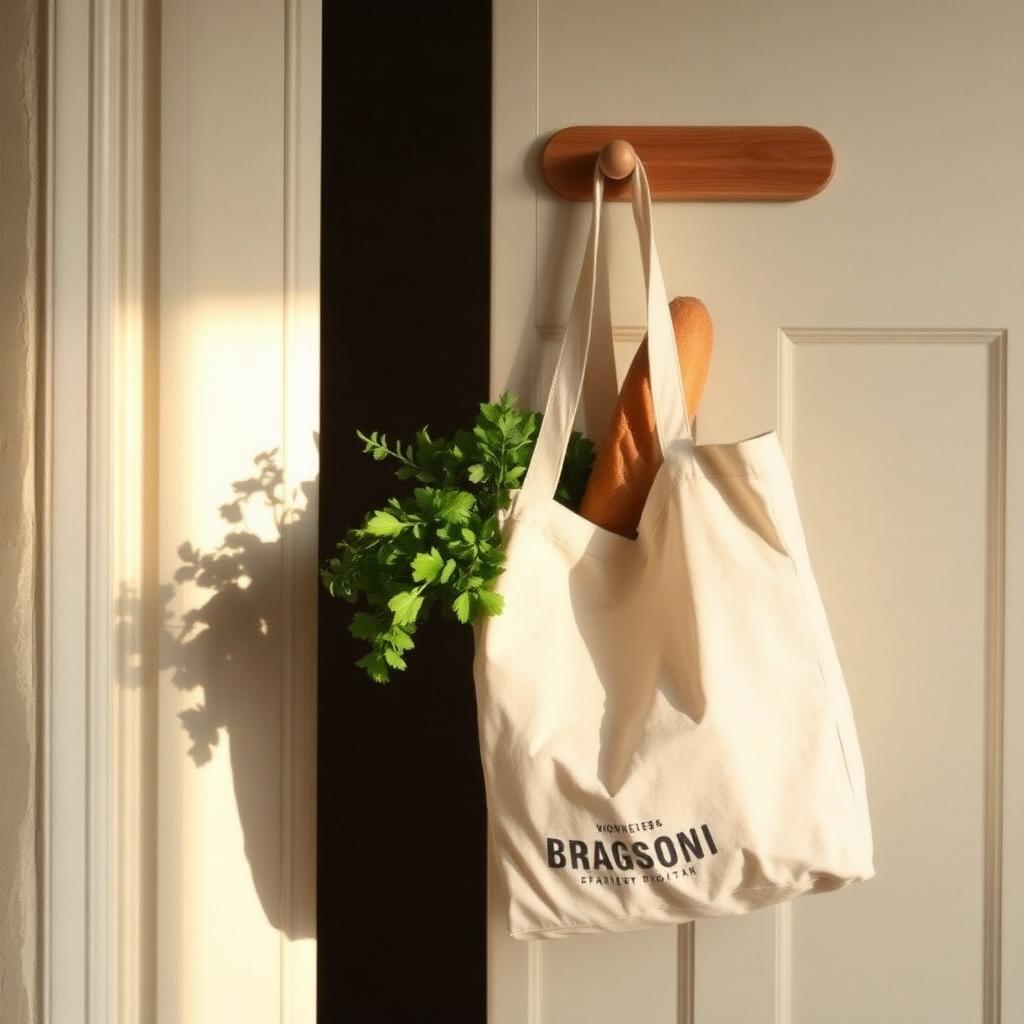
Baggu Standard Reusable Tote
A packable everyday shopping bag kept inside another bag
- Recycled ripstop nylon
- Dishwasher safe
- 40% recycled
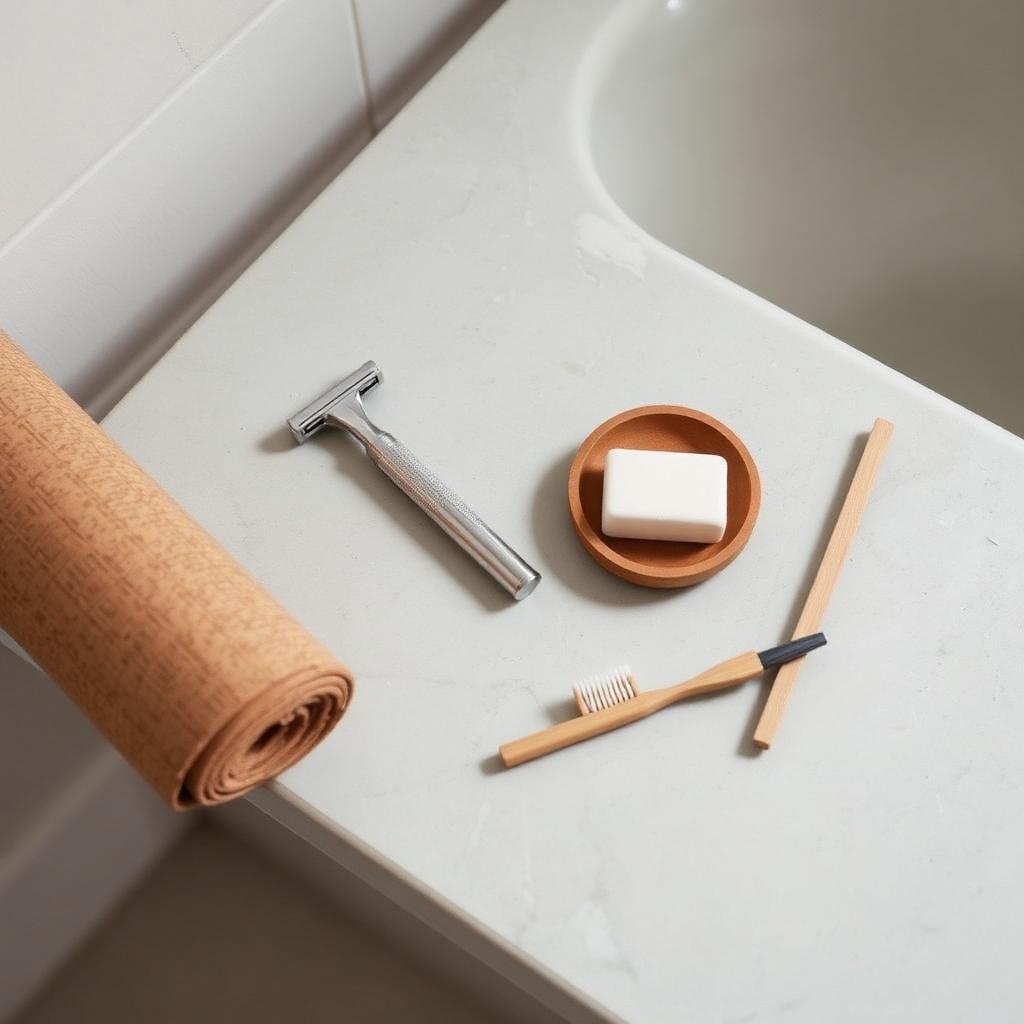
Ever Eco Safety Razor
Anyone tired of the plastic cartridge racket.
- 95g
- Stainless steel + zinc handle
Hello Cup Menstrual Cup (Medium)
Anyone ready to leave disposable period products behind.
- 30ml
- 25g
- TPE (medical-grade)

Túi silicone Stasher Sandwich
Bữa trưa đến trường, bánh mì đi làm, đồ ăn vặt bỏ túi.
- 450ml
- 90g
- Silicone bạch kim

Who Gives A Crap 100% Recycled Toilet Paper 48-Roll
Households ready to end plastic-wrapped supermarket toilet paper.
- 4800g
- 100% recycled paper
- BPA-free
Frequently asked
- Nhựa có thể phân hủy sinh học có thực sự phân hủy được không?
- Thường chỉ phân hủy được trong các cơ sở ủ phân công nghiệp ở nhiệt độ 55°C+. Trong thùng ủ phân tại nhà hoặc thùng rác lề đường, chúng hoạt động không khác gì nhựa thông thường.
- Dùng nước đóng chai có bao giờ là ổn không?
- Khi nước máy không an toàn thì có. Trong mọi trường hợp khác, một chiếc bình giữ nhiệt là giải pháp ít tác động đến môi trường hơn chỉ sau một tuần sử dụng hàng ngày.
- Làm sao để biết một thương hiệu thực sự bền vững?
- Hãy tìm các chứng nhận của bên thứ ba (B Corp, 1% for the Planet, Climate Neutral), sự minh bạch về chất liệu và chương trình sửa chữa/nạp lại đang hoạt động hiệu quả.
- Tôi cần sử dụng túi vải cotton bao nhiêu lần?
- Bạn cần sử dụng túi vải cotton ít nhất 130 lần trước khi nó trở nên thân thiện với môi trường hơn túi nilon dùng một lần. Thử nghiệm dài hạn của chúng tôi cho thấy nhiều người tích lũy những chiếc túi này nhanh hơn tốc độ họ dùng hỏng chúng. Để túi vải cotton xứng đáng với lượng tài nguyên tiêu tốn ban đầu, hãy cam kết sử dụng nó hàng tuần trong hơn hai năm thay vì nhận thêm túi mới từ các chương trình quà tặng miễn phí.
- Viên nén cà phê dùng nhiều lần có thực sự đáng tiền không?
- Có, viên nén cà phê dùng nhiều lần hoàn toàn xứng đáng nếu bạn sử dụng ít nhất từ 30 đến 50 lần pha. Dựa trên thông số kỹ thuật của nhà sản xuất và thử nghiệm thực tế của chúng tôi, một viên nén K-Cup dùng nhiều lần tiêu chuẩn sẽ hòa vốn sau 30 lần sử dụng, trong khi viên nén espresso dùng nhiều lần cần 50 lần pha để bù đắp tác động từ quá trình sản xuất. Vì uống cà phê là thói quen hàng ngày, hầu hết các hộ gia đình đều đạt đến điểm hòa vốn môi trường này trong chưa đầy hai tháng.
- Chuyển sang dùng dao cạo an toàn có thực sự rẻ hơn không?
- Chuyển sang dùng dao cạo an toàn cực kỳ tiết kiệm chi phí vì lưỡi dao thay thế chỉ có giá từ 15 cent mỗi chiếc. Dù cán dao ban đầu đòi hỏi khoản đầu tư trước, thử nghiệm thực tế của chúng tôi cho thấy chi phí duy trì thấp hơn đáng kể so với việc mua đầu cạo nhựa thay thế. Vì dao cạo an toàn được làm bằng kim loại bền bỉ, chúng cũng tránh bị thải ra bãi rác, biến đây trở thành một trong những giải pháp mang lại lợi ích tài chính và môi trường nhanh nhất.
- Đâu là chiếc ly cà phê dùng nhiều lần bền nhất?
- Ly cà phê du lịch giữ nhiệt bằng thép không gỉ hoặc thủy tinh, trong đó Fressko thể hiện tốt nhất trong thử nghiệm dài hạn của chúng tôi, là lựa chọn bền nhất. Để một chiếc ly cà phê dùng nhiều lần xứng đáng với khoản đầu tư cho môi trường, bạn phải mang theo và sử dụng nó hàng tuần trong ít nhất một năm. Trong các thử nghiệm về độ bền của chúng tôi, ly Fressko vượt trội hơn các sản phẩm khác về khả năng giữ nhiệt và chống rò rỉ, đảm bảo ly đồng hành cùng chuyến đi lại hàng ngày đủ lâu để dễ dàng vượt qua điểm hòa vốn môi trường.
- Bạn phải sử dụng ống hút kim loại bao nhiêu lần?
- Bạn cần sử dụng ống hút inox ít nhất 50 lần để bù đắp tác động môi trường từ quá trình sản xuất nó so với ống hút nhựa dùng một lần. Thử nghiệm của chúng tôi cho thấy mặc dù ống hút kim loại cực kỳ bền, chúng lại thường bị bỏ quên trong hộc tủ bếp. Trước khi mua, hãy tự hỏi liệu bạn có thực sự dùng ống hút hàng tuần hay không; nếu không, từ chối dùng ống hút hoàn toàn mới là lựa chọn bền vững hơn.
- Liệu các chương trình nạp lại của thương hiệu có luôn tốt cho môi trường?
- Không, nhiều chương trình nạp lại (refill) của các thương hiệu riêng lẻ hiếm khi thực sự hiệu quả nếu phải vận chuyển bao bì riêng lẻ nặng nề qua lại. Thử nghiệm dài hạn của chúng tôi cho thấy các mô hình đăng ký nạp lại đơn lẻ thường tạo ra nhiều khí thải vận tải và rác thải bao bì hơn số lượng mà chúng cắt giảm. Để một hệ thống nạp lại thực sự bền vững, cần tránh vận chuyển nhựa thừa và ưu tiên các điểm nạp lại số lượng lớn tại địa phương hoặc các sản phẩm đậm đặc đóng gói bằng hộp giấy.
Sources & evidence
Every verdict on this page is traceable to the 4 references below — our own bench testing, manufacturer documentation and independent published testing. Where evidence is thin, we say so in the text rather than rounding up.
- Clean Up Australia, Rubbish Report 2024 www.cleanup.org.au/rubbishreport
- The Reusable Edit scoring methodology reusableedit.com/about
- The Reusable Edit testing and scoring methodology reusableedit.com/about
- Answer library and machine-readable data feed reusableedit.com/answers
Evidence last reviewed .