ਕੋਟਨ ਬਨਾਮ ਜੂਟ ਬਨਾਮ ਪੋਲੀਐਸਟਰ: ਇੱਕ ਟੋਟ ਬੈਗ ਦੀ ਧਰਤੀ ਨੂੰ ਅਸਲ ਵਿੱਚ ਕੀ ਕੀਮਤ ਚੁਕਾਉਣੀ ਪੈਂਦੀ ਹੈ
ਅੰਕੜੇ ਕਿੱਥੋਂ ਆਉਂਦੇ ਹਨ
ਸਭ ਤੋਂ ਵੱਧ ਹਵਾਲਾ ਦਿੱਤਾ ਜਾਣ ਵਾਲਾ ਅਧਿਐਨ Danish Environmental Protection Agency ਦਾ 2018 ਲਾਈਫ-ਸਾਈਕਲ ਮੁਲਾਂਕਣ ਹੈ: ਇਕ ਸਿੰਗਲ-ਯੂਜ਼ LDPE ਬੈਗ ਦੇ ਜਲਵਾਯੂ ਪ੍ਰਭਾਵ ਦੀ ਬਰਾਬਰੀ ਕਰਨ ਲਈ ਇਕ ਆਰਗੈਨਿਕ ਕੋਟਨ ਟੋਟ ਬੈਗ ਨੂੰ 149 ਵਾਰ ਮੁੜ ਵਰਤਿਆ ਜਾਣਾ ਚਾਹੀਦਾ ਹੈ। ਮੀਡੀਆ ਕਵਰੇਜ ਵਿਚ ਅਕਸਰ ਇਹ ਗਿਣਤੀ 20,000 ਦੱਸੀ ਗਈ ਸੀ, ਜੋ ਕਿ ਉਸ ਅਧਿਐਨ ਦਾ *ਕੁੱਲ ਵਾਤਾਵਰਣ ਪ੍ਰਭਾਵ* ਨਤੀਜਾ ਸੀ ਜਿਸ ਵਿਚ ਪਾਣੀ ਦੀ ਵਰਤੋਂ, ਜ਼ਮੀਨ ਦੀ ਵਰਤੋਂ ਅਤੇ ਮਨੁੱਖੀ ਜ਼ਹਿਰੀਲਾਪਣ ਸ਼ਾਮਲ ਸੀ — ਵੱਖਰਾ ਰੱਖਿਆ ਗਿਆ ਜਲਵਾਯੂ ਅੰਕੜਾ ਬਹੁਤ ਘੱਟ ਹੈ।
UK Environment Agency ਦੇ 2011 ਦੇ ਅਧਿਐਨ ਵਿਚ ਵੀ ਅਜਿਹੇ ਹੀ ਸਿੱਟੇ ਨਿਕਲੇ: ਸੂਤੀ ਬੈਗ ਲਈ 131 ਵਰਤੋਂ, LDPE ਬੈਗਸ-ਫਾਰ-ਲਾਇਫ ਲਈ 4 ਵਰਤੋਂ, ਪੌਲੀਪ੍ਰੋਪਾਈਲੀਨ "ਗ੍ਰੀਨ" ਬੈਗਾਂ ਲਈ 11 ਵਰਤੋਂ।
ਅਸਲ ਦੁਨੀਆ ਵਿਚ ਇਸਦਾ ਕੀ ਮਤਲਬ ਹੈ
ਇਕ ਪਰਿਵਾਰ ਜੋ ਹਫ਼ਤੇ ਵਿਚ ਇਕ ਵਾਰ ਖਰੀਦਦਾਰੀ ਕਰਦਾ ਹੈ ਅਤੇ ਉਹੀ 4–5 ਟੋਟ ਬੈਗ ਵਰਤਦਾ ਹੈ, ਉਹ ਲਗਭਗ ਤਿੰਨ ਸਾਲਾਂ ਵਿਚ ਪ੍ਰਤੀ ਬੈਗ 150 ਵਰਤੋਂ ਪੂਰੀਆਂ ਕਰ ਲੈਂਦਾ ਹੈ। ਤੁਹਾਡੇ ਕੋਲ ਮੌਜੂਦ ਹਰ ਉਹ ਟੋਟ ਬੈਗ ਜਿਸ ਦੀ ਨਿਯਮਤ ਵਰਤੋਂ ਨਹੀਂ ਹੁੰਦੀ, ਨਿਰੋਲ ਨੁਕਸਾਨ ਹੈ।
ਗਲਤ ਰਣਨੀਤੀ: 20 ਮੁਫ਼ਤ ਪ੍ਰਚਾਰ ਵਾਲੇ ਟੋਟ ਬੈਗ ਇਕੱਠੇ ਕਰੋ ਅਤੇ ਹਰੇਕ ਨੂੰ ਮਹੀਨੇ ਵਿਚ ਇਕ ਵਾਰ ਵਰਤੋ। ਸਹੀ ਰਣਨੀਤੀ: 4–5 ਮਨਪਸੰਦ ਟੋਟ ਬੈਗਾਂ ਦੇ ਮਾਲਕ ਬਣੋ ਜਿਨ੍ਹਾਂ ਨੂੰ ਤੁਸੀਂ ਅਸਲ ਵਿਚ ਹਰ ਜਗ੍ਹਾ ਨਾਲ ਲੈ ਕੇ ਜਾਂਦੇ ਹੋ।
ਸਮੱਗਰੀ ਦੇ ਤਿੰਨ ਪ੍ਰਮੁੱਖ ਵਰਗ
ਵੋਵਨ ਪੌਲੀਪ੍ਰੋਪਾਈਲੀਨ ("ਗ੍ਰੀਨ ਬੈਗ")
ਪ੍ਰਤੀ ਵਰਤੋਂ ਘੱਟ ਜਲਵਾਯੂ ਲਾਗਤ, ਉੱਚ ਟਿਕਾਊਪਣ, ਉਦਯੋਗਿਕ ਸਟ੍ਰੀਮਾਂ ਵਿਚ ਰੀਸਾਈਕਲ ਹੋਣ ਯੋਗ (ਕਰਬਸਾਈਡ ਵਿਚ ਨਹੀਂ)। ਕਮੀਆਂ: ਫਾਸਿਲ ਈਂਧਨ ਤੋਂ ਬਣੇ ਹਨ, ਆਕਾਰ ਵਿਗੜੇ ਬਿਨਾਂ ਗਰਮ ਪਾਣੀ ਨਾਲ ਨਹੀਂ ਧੋਤੇ ਜਾ ਸਕਦੇ, ਅਤੇ ਦੇਖਣ ਵਿਚ ਸਭ ਤੋਂ ਘੱਟ ਆਕਰਸ਼ਕ ਲੱਗਦੇ ਹਨ।
ਸੂਤੀ/ਕਪਾਹ (ਆਰਗੈਨਿਕ ਅਤੇ ਪਰੰਪਰਾਗਤ)
ਪ੍ਰਤੀ ਬੈਗ ਪਾਣੀ ਅਤੇ ਜ਼ਮੀਨ ਦਾ ਉੱਚ ਫੁੱਟਪ੍ਰਿੰਟ; ਇਕ ਵਾਰ ਖਰਚਾ ਪੂਰਾ ਹੋਣ ਤੋਂ ਬਾਅਦ ਪ੍ਰਤੀ ਵਰਤੋਂ ਘੱਟ ਨਿਕਾਸ। ਧੋਣਯੋਗ, ਮਸ਼ੀਨ ਨਾਲ ਸੁਕਾਉਣ ਲਈ ਸੁਰੱਖਿਅਤ। ਆਰਗੈਨਿਕ ਕਪਾਹ ਨੂੰ ਬਰਾਬਰੀ 'ਤੇ ਆਉਣ ਲਈ ਲਗਭਗ 20% ਵੱਧ ਵਰਤੋਂ ਦੀ ਲੋੜ ਹੁੰਦੀ ਹੈ ਕਿਉਂਕਿ ਆਰਗੈਨਿਕ ਖੇਤੀ ਦੀ ਪ੍ਰਤੀ ਹੈਕਟੇਅਰ ਉਪਜ ਘੱਟ ਹੁੰਦੀ ਹੈ।
ਪਟਸਨ (ਜੂਟ) ਅਤੇ ਭੰਗ (ਹੈਂਪ)
ਕੁਦਰਤੀ, ਬਾਇਓਡੀਗ੍ਰੇਡੇਬਲ, ਬਹੁਤ ਹੀ ਟਿਕਾਊ। ਕਮੀ: ਗਿੱਲੇ ਹੋਣ 'ਤੇ ਭਾਰੀ, ਅਤੇ ਵਿਸ਼ੇਸ਼ ਤੌਰ 'ਤੇ ਜੂਟ ਗਰਮ ਅਤੇ ਸਿੱਲੇ ਜਲਵਾਯੂ ਵਿਚ ਜਲਦੀ ਖਰਾਬ ਹੁੰਦਾ ਹੈ। ਕਾਰ ਵਿਚ ਰੱਖੇ ਜਾਣ ਵਾਲੇ ਮਾਰਕੀਟ ਬੈਗਾਂ ਲਈ ਵਧੀਆ, ਟ੍ਰੋਪਿਕਲ ਆਸਟ੍ਰੇਲੀਆ ਵਿਚ ਰੋਜ਼ਾਨਾ ਵਰਤੋਂ ਲਈ ਘੱਟ ਵਧੀਆ।
ਡਿਜ਼ਾਈਨ ਦੀਆਂ ਵਿਸ਼ੇਸ਼ਤਾਵਾਂ ਜੋ ਤੁਹਾਨੂੰ ਇਸਦੀ ਅਸਲ ਵਿਚ ਵਰਤੋਂ ਕਰਨ ਲਈ ਪ੍ਰੇਰਿਤ ਕਰਦੀਆਂ ਹਨ
- ਮਜ਼ਬੂਤ ਬੇਸ — ਵਾਈਨ ਦੀਆਂ ਬੋਤਲਾਂ ਅਤੇ ਕਿਤਾਬਾਂ ਨੂੰ ਬਿਨਾਂ ਫਟੇ ਚੁੱਕਦਾ ਹੈ।
- ਅੰਦਰੂਨੀ ਜੇਬ — ਚਾਬੀਆਂ ਅਤੇ ਫੋਨ ਰੱਖਦੀ ਹੈ ਤਾਂ ਜੋ ਛੋਟੇ-ਮੋਟੇ ਕੰਮਾਂ ਲਈ ਬੈਗ ਹੈਂਡਬੈਗ ਦੀ ਜਗ੍ਹਾ ਲੈ ਸਕੇ।
- ਪੈਕ ਕਰਨ ਯੋਗ (Baggu Standard, Sea to Summit Nano) — ਜੇਬ ਦੇ ਆਕਾਰ ਵਿਚ ਤਹਿ ਹੋ ਜਾਂਦਾ ਹੈ ਤਾਂ ਜੋ ਤੁਹਾਡੇ ਕੋਲ ਹਮੇਸ਼ਾ ਇਕ ਬੈਗ ਹੋਵੇ।
- ਮਸ਼ੀਨ-ਧੋਣਯੋਗ — ਜੋ ਬੈਗ ਮਸ਼ੀਨ ਵਿਚ ਧੋਤਾ ਜਾ ਸਕਦਾ ਹੈ, ਉਸ ਦੀ ਵਰਤੋਂ ਤਾਜ਼ੀਆਂ ਸਬਜ਼ੀਆਂ/ਫਲਾਂ ਅਤੇ ਪਕੇ ਹੋਏ ਭੋਜਨ ਲਈ ਕੀਤੀ ਜਾਂਦੀ ਹੈ।
ਕਾਰ ਰਣਨੀਤੀ
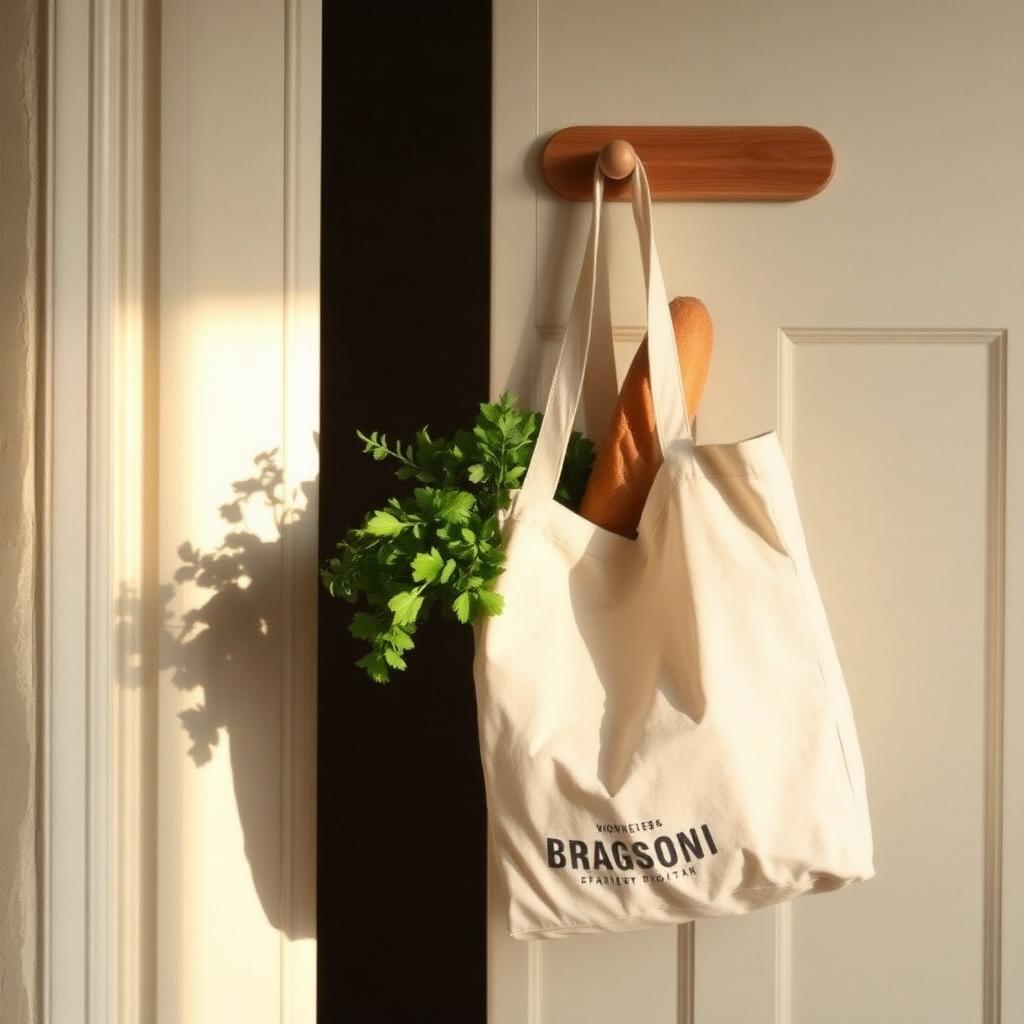
ਮੁੜ ਵਰਤੋਂ ਯੋਗ ਬੈਗਾਂ ਦੀ ਵਰਤੋਂ ਹੋਵੇਗੀ ਜਾਂ ਨਹੀਂ, ਇਸਦਾ ਸਭ ਤੋਂ ਵੱਡਾ ਨਿਰਧਾਰਕ ਇਹ ਹੈ ਕਿ ਕੀ ਉਹ ਕਾਰ ਵਿਚ ਹਨ। ਦੋ ਕਾਰਜਪ੍ਰਣਾਲੀ ਵਿਕਲਪ: 1. ਡਿੱਗੀ ਵਿਚ 6 ਬੈਗਾਂ ਦਾ ਪੱਕਾ ਸਟਾਕ ਰੱਖੋ, ਜੋ ਹਰ ਖਰੀਦਦਾਰੀ ਤੋਂ ਬਾਅਦ ਦੁਬਾਰਾ ਤਹਿ ਕੀਤੇ ਜਾਣ। 2. ਅਗਲੀ ਯਾਤਰਾ ਤੋਂ ਪਹਿਲਾਂ ਖਾਲੀ ਬੈਗਾਂ ਲਈ ਮੁੱਖ ਦਰਵਾਜ਼ੇ ਦੇ ਕੋਲ "ਕਾਰ ਵਿਚ ਵਾਪਸ ਲੈ ਜਾਣ ਵਾਲੀ" ਖੂੰਟੀ ਲਗਾਓ।
ਦੋਵੇਂ ਕੰਮ ਕਰਦੇ ਹਨ; ਇਕ ਚੁਣੋ।
ਸਾਡੀਆਂ ਪਸੰਦਾਂ
- ਰੋਜ਼ਾਨਾ ਖਰੀਦਦਾਰੀ ਲਈ: Baggu Standard ਜਾਂ Rume Medium।
- ਭਾਰੀ ਮਾਰਕੀਟ ਲਈ: Baggu Crescent ਜਾਂ ਜੂਟ ਦਾ ਮਾਰਕੀਟ ਬੈਗ।
- ਹਮੇਸ਼ਾ ਜੇਬ ਵਿਚ ਰੱਖਣ ਲਈ: Sea to Summit Ultra-Sil Nano Daypack।
- ਥੋਕ ਸਮਾਨ ਲਈ: Onya bulk food bags ਜਾਂ Ever Eco mesh produce set।
Our recommended picks
Baggu Crescent Bag
People who want one bag they never leave the house without.
- 155g
- Recycled ripstop nylon
- Dishwasher safe
Baggu Standard Reusable Tote
A packable everyday shopping bag kept inside another bag
- Recycled ripstop nylon
- Dishwasher safe
- 40% recycled
Ever Eco Reusable Produce Bag Set (8)
Every fruit-and-veg shop, bulk-bin runs.
- 120g
- Recycled polyester mesh
- Dishwasher safe
Onya Bulk Food Bag Set
Bulk-food store shoppers, pantry refills.
- 110g
- Recycled PET fabric
- Dishwasher safe
Rume Medium Reusable Tote
Grocery runs and impromptu op-shop trips.
- 90g
- Recycled polyester
- Dishwasher safe
Sea to Summit Ultra-Sil Nano Daypack
Travellers who want a spare pack that vanishes into checked luggage.
- 68g
- Cordura Ultra-Sil recycled nylon
- 30% recycled
Frequently asked
- ਤਾਂ ਕੀ ਕੋਟਨ ਟੋਟਸ ਅਸਲ ਵਿੱਚ ਵਾਤਾਵਰਣ ਲਈ ਮਾੜੇ ਹਨ?
- ਸਿਰਫ਼ ਉਦੋਂ ਹੀ ਜੇਕਰ ਤੁਹਾਡੇ ਕੋਲ ਬਹੁਤ ਸਾਰੇ ਬੈਗ ਹਨ ਅਤੇ ਤੁਸੀਂ ਉਹਨਾਂ ਦੀ ਵਰਤੋਂ ਘੱਟ ਹੀ ਕਰਦੇ ਹੋ। 2–3 ਸਾਲਾਂ ਲਈ ਨਿਯਮਿਤ ਤੌਰ 'ਤੇ ਵਰਤਿਆ ਜਾਣ ਵਾਲਾ ਕੋਟਨ ਟੋਟ ਹਰ ਵਾਤਾਵਰਣਕ ਪੈਮਾਨੇ 'ਤੇ ਇੱਕ ਵਾਰ ਵਰਤੋਂ ਵਾਲੇ ਪਲਾਸਟਿਕ ਨੂੰ ਆਸਾਨੀ ਨਾਲ ਪਛਾੜ ਦਿੰਦਾ ਹੈ।
- ਰੋਜ਼ਾਨਾ ਵਰਤੋਂ ਲਈ ਸਭ ਤੋਂ ਵਧੀਆ ਸਮੱਗਰੀ ਕਿਹੜੀ ਹੈ?
- ਰੋਜ਼ਾਨਾ ਕਰਿਆਨੇ ਦੀ ਵਰਤੋਂ ਲਈ, ਰਿਪਸਟੌਪ ਨਾਈਲੋਨ ਜਾਂ ਪੋਲੀਪ੍ਰੋਪਾਈਲੀਨ ਪ੍ਰਤੀ-ਗ੍ਰਾਮ ਹੰਢਣਸਾਰਤਾ ਦੇ ਮਾਮਲੇ ਵਿੱਚ ਜਿੱਤਦਾ ਹੈ। ਕੋਟਨ ਧੋਣਯੋਗਤਾ ਅਤੇ ਦਿੱਖ ਦੇ ਮਾਮਲੇ ਵਿੱਚ ਜਿੱਤਦਾ ਹੈ।
- ਕੀ ਮੈਂ ਪੁਰਾਣੇ ਸੂਤੀ ਟੋਟ ਬੈਗਾਂ ਨੂੰ ਰੀਸਾਈਕਲ ਕਰ ਸਕਦਾ/ਸਕਦੀ ਹਾਂ?
- ਹਾਂ, ਆਸਟ੍ਰੇਲੀਆ ਵਿੱਚ Upparel ਵਰਗੇ ਟੈਕਸਟਾਈਲ ਰਿਕਵਰੀ ਪ੍ਰੋਗਰਾਮਾਂ ਰਾਹੀਂ। ਇਹਨਾਂ ਨੂੰ ਕਦੇ ਵੀ ਕੂੜੇਦਾਨ ਵਿੱਚ ਨਾ ਪਾਓ — ਲੈਂਡਫਿਲ ਵਿੱਚ ਪਈ ਕਪਾਹ ਮੀਥੇਨ ਗੈਸ ਬਣਾਉਂਦੀ ਹੈ।
- ਔਰਗੈਨਿਕ ਸੂਤੀ ਟੋਟ ਬੈਗ ਨੂੰ ਕਿੰਨੀ ਵਾਰ ਮੁੜ ਵਰਤਣ ਦੀ ਲੋੜ ਹੁੰਦੀ ਹੈ?
- ਇੱਕ ਵਾਰ ਵਰਤੋਂ ਵਾਲੇ ਪਲਾਸਟਿਕ ਬੈਗ ਦੀ ਤੁਲਨਾ ਵਿੱਚ ਇਸਦੇ ਜਲਵਾਯੂ ਪ੍ਰਭਾਵ ਦੀ ਭਰਪਾਈ ਕਰਨ ਲਈ, ਤੁਹਾਨੂੰ ਔਰਗੈਨਿਕ ਸੂਤੀ ਟੋਟ ਬੈਗ ਨੂੰ ਘੱਟੋ-ਘੱਟ 149 ਵਾਰ ਮੁੜ ਵਰਤਣ ਦੀ ਲੋੜ ਹੈ। ਇਹ ਅੰਕੜਾ ਡੈਨਿਸ਼ ਐਨਵਾਇਰਨਮੈਂਟਲ ਪ੍ਰੋਟੈਕਸ਼ਨ ਏਜੰਸੀ ਦੇ 2018 ਦੇ ਲਾਈਫ-ਸਾਈਕਲ ਮੁਲਾਂਕਣ ਤੋਂ ਆਇਆ ਹੈ। ਹਾਲਾਂਕਿ ਮੀਡੀਆ ਰਿਪੋਰਟਾਂ ਵਿੱਚ ਅਕਸਰ 20,000 ਵਾਰ ਵਰਤੋਂ ਦਾ ਬਹੁਤ ਵੱਡਾ ਅੰਕੜਾ ਦਿੱਤਾ ਜਾਂਦਾ ਸੀ, ਪਰ ਉਹ ਅੰਕੜਾ ਸਿਰਫ਼ ਗ੍ਰੀਨਹਾਊਸ ਗੈਸਾਂ ਦੇ ਨਿਕਾਸ ਦੀ ਬਜਾਏ ਪਾਣੀ ਅਤੇ ਜ਼ਮੀਨ ਦੀ ਵਰਤੋਂ ਵਰਗੇ ਕੁੱਲ ਵਾਤਾਵਰਣਕ ਪ੍ਰਭਾਵਾਂ ਨੂੰ ਧਿਆਨ ਵਿੱਚ ਰੱਖਦਾ ਸੀ। ਰਵਾਇਤੀ ਕਪਾਹ ਲਈ, ਯੂਕੇ ਦੇ ਇੱਕ ਅਧਿਐਨ ਅਨੁਸਾਰ ਇਹ ਬ੍ਰੇਕ-ਈਵਨ ਟੀਚਾ 131 ਵਾਰ ਵਰਤੋਂ ਦਾ ਹੈ।
- ਆਰਗੈਨਿਕ ਕੋਟਨ ਨੂੰ ਆਮ ਕੋਟਨ ਨਾਲੋਂ ਜ਼ਿਆਦਾ ਵਾਰ ਮੁੜ ਵਰਤਣ ਦੀ ਲੋੜ ਕਿਉਂ ਹੁੰਦੀ ਹੈ?
- ਔਰਗੈਨਿਕ ਸੂਤੀ ਬੈਗਾਂ ਨੂੰ ਵਾਤਾਵਰਣ ਦੇ ਪੱਖੋਂ ਬਰਾਬਰ (ਬ੍ਰੇਕ-ਈਵਨ) ਲਿਆਉਣ ਲਈ ਲਗਭਗ 20% ਵਧੇਰੇ ਵਰਤੋਂ ਦੀ ਲੋੜ ਹੁੰਦੀ ਹੈ ਕਿਉਂਕਿ ਔਰਗੈਨਿਕ ਖੇਤੀ ਵਿੱਚ ਪ੍ਰਤੀ ਹੈਕਟੇਅਰ ਫ਼ਸਲ ਦੀ ਪੈਦਾਵਾਰ ਘੱਟ ਹੁੰਦੀ ਹੈ। ਇਸਦਾ ਮਤਲਬ ਹੈ ਕਿ ਰਵਾਇਤੀ ਖੇਤੀ ਦੇ ਮੁਕਾਬਲੇ ਬਰਾਬਰ ਮਾਤਰਾ ਵਿੱਚ ਫਾਈਬਰ ਪੈਦਾ ਕਰਨ ਲਈ ਔਰਗੈਨਿਕ ਖੇਤੀ ਵਿੱਚ ਵਧੇਰੇ ਜ਼ਮੀਨ ਅਤੇ ਪਾਣੀ ਦੀ ਲੋੜ ਹੁੰਦੀ ਹੈ। 2018 ਦੇ Danish EPA ਅਧਿਐਨ ਅਨੁਸਾਰ, ਇਹ ਘੱਟ ਪੈਦਾਵਾਰ ਬੈਗ ਦੇ ਸ਼ੁਰੂਆਤੀ ਵਾਤਾਵਰਣਕ ਪ੍ਰਭਾਵ ਨੂੰ ਵਧਾਉਂਦੀ ਹੈ, ਜਿਸਦਾ ਮਤਲਬ ਹੈ ਕਿ ਇਸਦੇ ਉਤਪਾਦਨ ਦੀ ਭਰਪਾਈ ਕਰਨ ਲਈ ਤੁਹਾਨੂੰ ਇਸਨੂੰ ਲੰਬੇ ਸਮੇਂ ਤੱਕ ਵਰਤਣ ਲਈ ਵਚਨਬੱਧ ਹੋਣਾ ਪਵੇਗਾ।
- ਮੁੜ ਵਰਤੋਂਯੋਗ ਟੋਟ ਬੈਗ ਦੇ ਪ੍ਰਭਾਵ ਦੀ ਭਰਪਾਈ ਕਰਨ ਵਿੱਚ ਕਿੰਨਾ ਸਮਾਂ ਲੱਗਦਾ ਹੈ?
- ਇੱਕ ਸਟੈਂਡਰਡ ਕੋਟਨ ਟੋਟ ਬੈਗ ਦੇ ਜਲਵਾਯੂ ਪ੍ਰਭਾਵ ਦੀ ਭਰਪਾਈ ਕਰਨ ਲਈ ਲਗਭਗ ਤਿੰਨ ਸਾਲਾਂ ਦੀ ਹਫ਼ਤਾਵਾਰੀ ਖਰੀਦਦਾਰੀ ਲੱਗਦੀ ਹੈ। ਵਾਤਾਵਰਣਕ ਜੀਵਨ-ਚੱਕਰ ਦੇ ਅੰਕੜਿਆਂ ਦੇ ਆਧਾਰ 'ਤੇ, ਇੱਕ ਬੈਗ ਨੂੰ ਬਰਾਬਰੀ 'ਤੇ ਆਉਣ ਲਈ ਲਗਭਗ 150 ਵਾਰ ਵਰਤਣ ਦੀ ਲੋੜ ਹੁੰਦੀ ਹੈ। ਜੇਕਰ ਕੋਈ ਪਰਿਵਾਰ ਆਪਣੀ ਹਫ਼ਤਾਵਾਰੀ ਕਰਿਆਨੇ ਦੀ ਖਰੀਦਦਾਰੀ ਲਈ ਆਪਣੇ ਚਾਰ ਤੋਂ ਪੰਜ ਮਨਪਸੰਦ ਬੈਗਾਂ ਨੂੰ ਵਾਰ-ਵਾਰ ਵਰਤਦਾ ਹੈ, ਤਾਂ ਹਰੇਕ ਬੈਗ ਲਗਭਗ 150 ਹਫ਼ਤਿਆਂ ਵਿੱਚ ਇਸ ਟੀਚੇ 'ਤੇ ਪਹੁੰਚ ਜਾਵੇਗਾ। ਸਾਡੀ ਲੰਬੇ ਸਮੇਂ ਦੀ ਜਾਂਚ ਦਰਸਾਉਂਦੀ ਹੈ ਕਿ ਬੈਗਾਂ ਨੂੰ ਆਪਣੀ ਕਾਰ ਦੀ ਡਿੱਗੀ ਵਿੱਚ ਰੱਖਣਾ ਇਹ ਯਕੀਨੀ ਬਣਾਉਣ ਦਾ ਸਭ ਤੋਂ ਵਧੀਆ ਤਰੀਕਾ ਹੈ ਕਿ ਉਹ ਵਰਤੇ ਜਾਣ।
- ਕੀ ਜੂਟ ਦੇ ਸ਼ਾਪਿੰਗ ਬੈਗ ਕੋਟਨ ਟੋਟਸ ਨਾਲੋਂ ਬਿਹਤਰ ਹਨ?
- ਜੂਟ ਦੇ ਬੈਗ ਬਹੁਤ ਹੰਢਣਸਾਰ ਅਤੇ ਬਾਇਓਡੇਗ੍ਰੇਡੇਬਲ ਹੁੰਦੇ ਹਨ, ਜੋ ਇਹਨਾਂ ਨੂੰ ਸ਼ਾਨਦਾਰ ਹੈਵੀ-ਡਿਊਟੀ ਮਾਰਕੀਟ ਬੈਗ ਬਣਾਉਂਦੇ ਹਨ, ਪਰ ਨਮੀ ਵਾਲੇ ਮੌਸਮ ਵਿੱਚ ਰੋਜ਼ਾਨਾ ਵਰਤੋਂ ਲਈ ਇਹ ਕੋਟਨ ਨਾਲੋਂ ਘੱਟ ਵਿਹਾਰਕ ਹਨ। ਜੂਟ ਦੇ ਰੇਸ਼ੇ ਆਸਾਨੀ ਨਾਲ ਪਾਣੀ ਸੋਖ ਲੈਂਦੇ ਹਨ ਅਤੇ ਗਿੱਲੇ ਹੋਣ 'ਤੇ ਭਾਰੇ ਹੋ ਜਾਂਦੇ ਹਨ, ਅਤੇ ਟ੍ਰੋਪਿਕਲ ਆਸਟ੍ਰੇਲੀਆ ਵਰਗੀਆਂ ਗਰਮ ਅਤੇ ਨਮੀ ਵਾਲੀਆਂ ਸਥਿਤੀਆਂ ਵਿੱਚ ਇਹਨਾਂ ਦਾ ਸੁੱਕਣਾ ਮੁਸ਼ਕਲ ਹੁੰਦਾ ਹੈ। ਸਾਡੀ ਵਿਹਾਰਕ ਜਾਂਚ ਦੇ ਆਧਾਰ 'ਤੇ, ਅਸੀਂ ਕਾਰ ਤੋਂ ਬਾਜ਼ਾਰ ਤੱਕ ਦੀਆਂ ਸੁੱਕੀਆਂ ਯਾਤਰਾਵਾਂ ਲਈ ਜੂਟ ਦੀ ਸਿਫ਼ਾਰਸ਼ ਕਰਦੇ ਹਾਂ, ਪਰ ਰੋਜ਼ਾਨਾ ਦੇ ਕੰਮਾਂ ਲਈ ਮਸ਼ੀਨ ਵਿੱਚ ਧੋਣਯੋਗ ਕੋਟਨ ਜਾਂ Baggu ਵਰਗੇ ਹਲਕੇ, ਪੈਕ ਕਰਨ ਯੋਗ ਨਾਈਲੋਨ ਬੈਗਾਂ ਨੂੰ ਪਹਿਲ ਦਿੰਦੇ ਹਾਂ।
- ਕੀ ਤੁਸੀਂ ਬੁਣੇ ਹੋਏ ਪੌਲੀਪ੍ਰੋਪਾਈਲੀਨ ਦੇ ਹਰੇ ਸ਼ਾਪਿੰਗ ਬੈਗ ਧੋ ਸਕਦੇ ਹੋ?
- ਨਹੀਂ, ਤੁਹਾਨੂੰ ਬੁਣੇ ਹੋਏ ਪੋਲੀਪ੍ਰੋਪਾਈਲੀਨ ਹਰੇ ਬੈਗਾਂ ਨੂੰ ਗਰਮ ਪਾਣੀ ਵਿੱਚ ਨਹੀਂ ਧੋਣਾ ਚਾਹੀਦਾ, ਕਿਉਂਕਿ ਗਰਮੀ ਨਾਲ ਸਿੰਥੈਟਿਕ ਪਲਾਸਟਿਕ ਸਮੱਗਰੀ ਖਰਾਬ ਹੋ ਜਾਵੇਗੀ। ਹਾਲਾਂਕਿ ਯੂਕੇ ਦੀ ਖੋਜ ਅਨੁਸਾਰ ਪੋਲੀਪ੍ਰੋਪਾਈਲੀਨ ਬੈਗਾਂ ਦੀ ਜਲਵਾਯੂ ਲਾਗਤ ਬਹੁਤ ਘੱਟ ਹੈ—ਬਰਾਬਰੀ 'ਤੇ ਆਉਣ ਲਈ ਸਿਰਫ਼ 11 ਵਾਰ ਵਰਤੋਂ ਦੀ ਲੋੜ ਹੁੰਦੀ ਹੈ—ਉਹ ਜੈਵਿਕ ਈਂਧਨ ਤੋਂ ਬਣੇ ਹੁੰਦੇ ਹਨ ਅਤੇ ਉਹਨਾਂ ਨੂੰ ਆਸਾਨੀ ਨਾਲ ਸੈਨੀਟਾਈਜ਼ ਨਹੀਂ ਕੀਤਾ ਜਾ ਸਕਦਾ। ਤਾਜ਼ਾ ਉਤਪਾਦਾਂ ਜਾਂ ਗਿੱਲੀਆਂ ਚੀਜ਼ਾਂ ਨੂੰ ਲੈ ਕੇ ਜਾਣ ਲਈ, ਸਾਡੀ ਟੈਸਟਿੰਗ ਟੀਮ ਮਸ਼ੀਨ ਵਿੱਚ ਧੋਣਯੋਗ ਕੱਪੜਿਆਂ ਜਿਵੇਂ ਕਿ ਕੋਟਨ ਜਾਂ ਪੈਕ ਕਰਨ ਯੋਗ ਪੋਲੀਏਸਟਰ ਨੂੰ ਪਹਿਲ ਦਿੰਦੀ ਹੈ ਜੋ ਖਰਾਬ ਹੋਏ ਬਿਨਾਂ ਨਿਯਮਤ ਗਰਮ ਧੋਣ ਨੂੰ ਸਹਿ ਸਕਦੇ ਹਨ।
- ਕਿਹੜੀਆਂ ਵਿਸ਼ੇਸ਼ਤਾਵਾਂ ਮੁੜ ਵਰਤੋਂ ਯੋਗ ਟੋਟ ਬੈਗ ਨੂੰ ਅਸਲ ਵਿੱਚ ਖਰੀਦਣ ਦੇ ਯੋਗ ਬਣਾਉਂਦੀਆਂ ਹਨ?
- ਸਭ ਤੋਂ ਵਧੀਆ ਮੁੜ ਵਰਤੋਂ ਯੋਗ ਟੋਟ ਬੈਗਾਂ ਵਿੱਚ ਇੱਕ ਮਜ਼ਬੂਤ ਤਲਾ, ਅੰਦਰੂਨੀ ਜੇਬਾਂ, ਪੈਕ ਕਰਨ ਵਿੱਚ ਆਸਾਨੀ, ਅਤੇ ਮਸ਼ੀਨ ਨਾਲ ਧੋਣ ਯੋਗ ਕੱਪੜਾ ਹੁੰਦਾ ਹੈ। ਇਹ ਡਿਜ਼ਾਈਨ ਤੱਤ ਇਹ ਯਕੀਨੀ ਬਣਾਉਂਦੇ ਹਨ ਕਿ ਤੁਸੀਂ ਬੈਗ ਨੂੰ ਦਰਾਜ਼ ਵਿੱਚ ਪਿਆ ਰਹਿਣ ਦੇਣ ਦੀ ਬਜਾਏ ਅਸਲ ਵਿੱਚ ਵਰਤੋਂ। ਸਾਡੀ ਬੈਂਚ ਟੈਸਟਿੰਗ ਦਰਸਾਉਂਦੀ ਹੈ ਕਿ ਜੋ ਬੈਗ ਫੋਲਡ ਹੋ ਕੇ ਜੇਬ ਦੇ ਆਕਾਰ ਦਾ ਹੋ ਜਾਂਦਾ ਹੈ, ਜਿਵੇਂ ਕਿ Sea to Summit Ultra-Sil, ਉਸਨੂੰ ਕੋਲ ਰੱਖਣਾ ਬਹੁਤ ਆਸਾਨ ਹੁੰਦਾ ਹੈ। ਇਸ ਤੋਂ ਇਲਾਵਾ, ਮਸ਼ੀਨ ਨਾਲ ਧੋਣ ਯੋਗ ਬੈਗ ਹੋਣ ਦਾ ਮਤਲਬ ਹੈ ਕਿ ਤੁਸੀਂ ਸਫਾਈ ਦੀਆਂ ਚਿੰਤਾਵਾਂ ਤੋਂ ਬਿਨਾਂ ਤਾਜ਼ਾ ਸਾਮਾਨ ਸੁਰੱਖਿਅਤ ਢੰਗ ਨਾਲ ਲਿਜਾ ਸਕਦੇ ਹੋ।
Sources & evidence
Every verdict on this page is traceable to the 4 references below — our own bench testing, manufacturer documentation and independent published testing. Where evidence is thin, we say so in the text rather than rounding up.
- UK Environment Agency, Life cycle assessment of supermarket carrier bags (2011) www.gov.uk/government/publications/life-cycle-assessment-of-supermarket-carrierbags-a-review-of-the-bags-available-in-2006
- Danish EPA, Life Cycle Assessment of grocery carrier bags (2018) www2.mst.dk/Udgiv/publications/2018/02/978-87-93614-73-4.pdf
- The Reusable Edit testing and scoring methodology reusableedit.com/about
- Answer library and machine-readable data feed reusableedit.com/answers
Evidence last reviewed .