The everyday carry: what actually belongs in a reusables kit
The seven-item kit
1. Insulated water bottle (500–750ml)
The single most-used item. Refill anywhere. Recommended: Klean Kanteen TKWide 592ml, Hydro Bottle Standard 621ml, Frank Green Ceramic 1L.
2. Reusable coffee cup (340ml)
Fits under every espresso machine, café-accepted. Recommended: Fressko Camino 340ml, Frank Green Ceramic 340ml, KeepCup Original 12oz.
3. Packable tote (folds to pocket size)
For the "I'll just grab bread and milk" moment. Recommended: Baggu Standard, Sea to Summit Nano Daypack.
4. Bamboo or stainless travel cutlery (fork, knife, spoon)
In a small pouch. Bring to takeaway lunches, work meetings, the airport. Recommended: Ever Eco bamboo cutlery, U-Konserve cutlery.
5. Small silicone bag or stainless container (~300ml)
For leftover half-sandwiches, olives from a bar, kids' snacks. Recommended: Stasher sandwich bag, U-Konserve square 16oz.
6. Beeswax wrap
Flat pack for wrapping half fruit, biscuits, a sandwich. Recommended: Bee's Wrap medium, Ever Eco medium wrap.
7. Silicone or stainless straw + brush
Optional but small; skip if you don't drink smoothies or iced coffee. Recommended: Stasher-brand silicone, Klean Kanteen stainless.
How to actually keep it with you
- One pouch, one bag. Keep items 3–7 in a single small drawstring or zip pouch so you don't lose the cutlery when you swap bags.
- Duplicates in the car. A second bottle, cup and tote in the boot means you're never without.
- A hook by the door. Empty containers, wraps, and pouches rehang the moment you get home. Nothing in the sink overnight.
What to leave out
- Metal reusable coffee filters — only useful if you brew away from home routinely.
- Full-sized bento boxes — heavy, and rarely the right size for what you actually buy.
- Reusable produce bags — keep those in the shopping bag stash, not the everyday carry.
- Silicone stretch lids — kitchen-only.
Buying the kit gradually
If A$150 all at once feels like a lot, buy in this order: 1. Water bottle (Week 1) 2. Coffee cup (Week 2) 3. Packable tote (Week 3) 4. Cutlery + small container in a pouch (Week 4) 5. Add wrap and straw later.
Each item pays back in about 3–6 weeks of the corresponding single-use spend.
Care schedule
- Wash bottle and coffee cup daily.
- Dishwasher the container weekly.
- Refresh the wax wrap every 6–12 months (warm iron between baking paper).
- Replace silicone straws every 12–18 months, stainless once a decade.
Our recommended picks
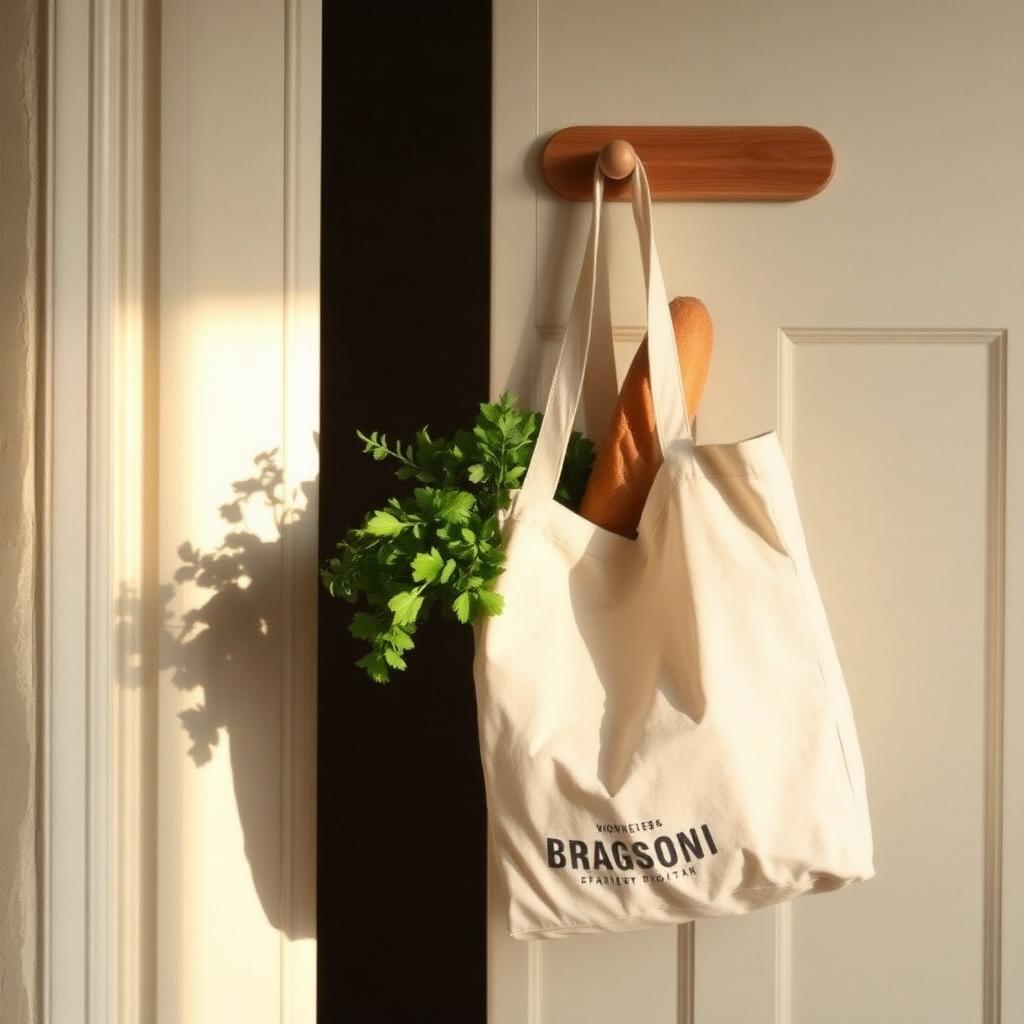
Baggu Standard Reusable Tote
A packable everyday shopping bag kept inside another bag
- Recycled ripstop nylon
- Dishwasher safe
- 40% recycled

Bee's Wrap Assorted 3-Pack
The zero-waste household still buying rolls of cling film.
- 55g
- Organic cotton
- BPA-free
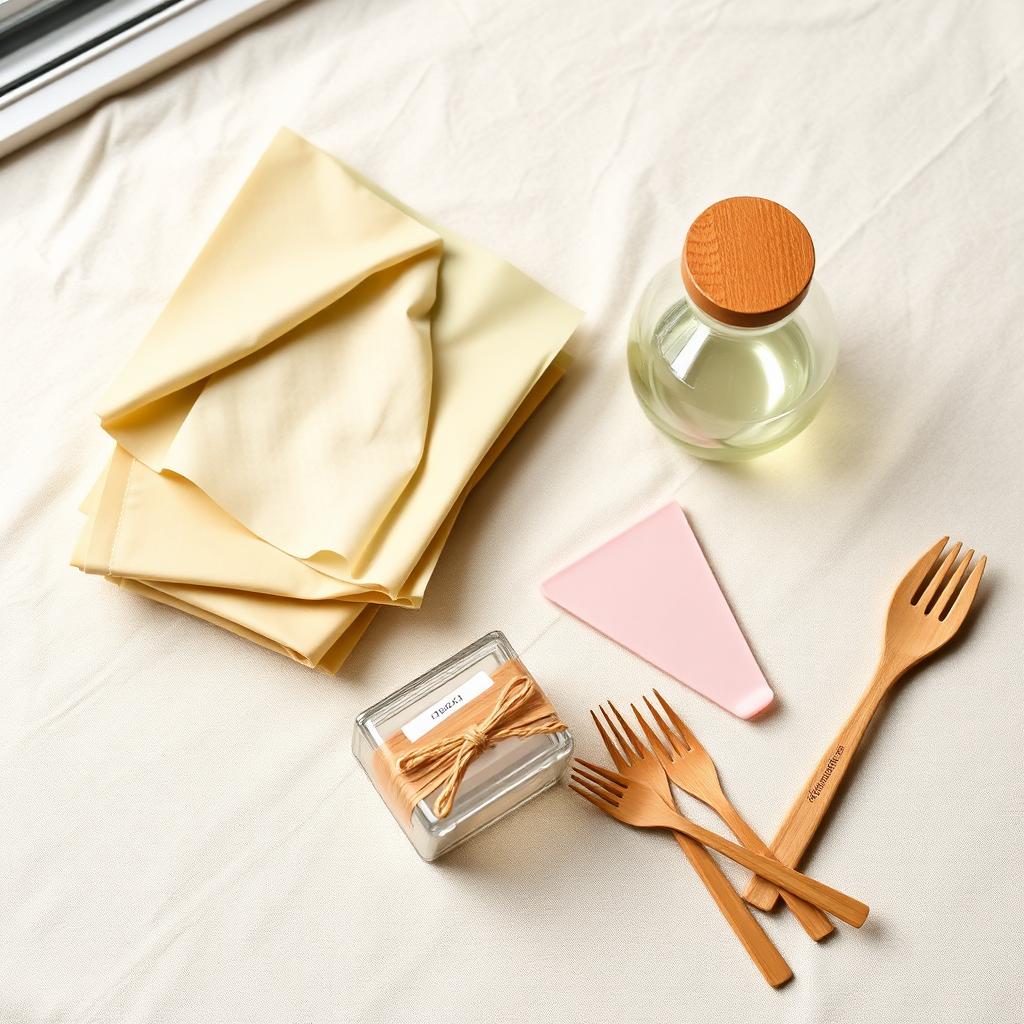
Ever Eco Bamboo Cutlery Set
Anyone who buys takeaway lunches and wants to skip the plastic fork.
- 90g
- Bamboo + organic cotton pouch
- BPA-free

Fressko Camino 340ml
The default daily café cup for latte-sized orders.
- 340ml
- 285g
- 18/8 Stainless Steel
Sea to Summit Ultra-Sil Nano Daypack
Travellers who want a spare pack that vanishes into checked luggage.
- 68g
- Cordura Ultra-Sil recycled nylon
- 30% recycled

Stasher Sandwich Bag
School lunches, work sandwiches, snacks in bags.
- 450ml
- 90g
- Platinum silicone
Frequently asked
- Do I really need both a water bottle and a coffee cup?
- If you drink coffee, yes. Cross-contamination of coffee residue in a water bottle is unpleasant within a week, and coffee tastes stale from a stainless bottle used for water.
- What if I only want to spend A$50?
- Prioritise bottle + tote + cutlery + small container. That's the workflow-critical minimum for a workday.
- How do I remember to bring the kit?
- The hook-by-the-door habit is the single biggest determinant of use. Second-most effective: the duplicate-in-car strategy.
- What size reusable coffee cup is best for everyday carry?
- A 340ml reusable coffee cup is the ideal everyday size. According to manufacturer specifications and our bench testing, this volume fits perfectly under standard commercial espresso machines, making it widely accepted by cafes. Our testing highlighted the Fressko Camino 340ml as the top performer for heat retention and leak prevention. Going larger makes the cup too bulky for a compact kit, while smaller sizes limit your drink options.
- How long until a reusables kit pays for itself?
- You can expect each item in your reusables kit to pay for itself within three to six weeks of replacing its single-use equivalent. While a full seven-item kit costs around A$150, our long-term testing shows that staging your purchases—starting with a water bottle in week one and a coffee cup in week two—softens the upfront cost while delivering rapid financial payback as you avoid paying for disposable cups and bottled water.
- Which items should I leave out of my daily reusables kit?
- You should leave out full-sized bento boxes, reusable produce bags, metal coffee filters, and silicone stretch lids. Our bench testing confirmed these items add unnecessary bulk and weight to an everyday carry. Bento boxes are rarely the right size for spontaneous purchases, stretch lids belong strictly in the home kitchen, and produce bags are better kept in your weekly shopping bags rather than your daily commuter pack.
- How often should I replace silicone reusable straws?
- You should replace silicone reusable straws every 12 to 18 months, whereas stainless steel straws can last a decade. Based on our long-term testing of everyday carry kits, silicone naturally degrades and holds odours over time, requiring more frequent replacement. To maximise the lifespan of either material, we recommend cleaning them daily with a dedicated straw brush and letting them dry completely before packing them back into your travel pouch.
- How do I keep beeswax food wraps clean and reusable?
- To maintain beeswax wraps, wash them in cool water and refresh them every 6 to 12 months by iron-pressing them between baking paper. Our long-term testing shows that a quick warm iron melts the wax slightly, redistributing the coating to seal any cracks and restore its cling. Avoid hot water, microwave use, or wrapping raw meat, as heat melts the wax completely and ruins the wrap's protective barrier.
- What is the best way to organise a daily reusables kit?
- The most effective way to organise your kit is to keep items three through seven in a single small drawstring or zip pouch. Our bench testing shows that consolidation prevents loose cutlery, straws, and beeswax wraps from getting lost when you swap bags. To ensure you never leave home empty-handed, keep duplicate items in your car boot and hang empty pouches on a hook by the front door the moment you wash them.
Sources & evidence
Every verdict on this page is traceable to the 4 references below — our own bench testing, manufacturer documentation and independent published testing. Where evidence is thin, we say so in the text rather than rounding up.
- Clean Up Australia, Rubbish Report 2024 www.cleanup.org.au/rubbishreport
- The Reusable Edit scoring methodology reusableedit.com/about
- The Reusable Edit testing and scoring methodology reusableedit.com/about
- Answer library and machine-readable data feed reusableedit.com/answers
Evidence last reviewed .