حاويات تحضير الوجبات: الزجاج مقابل الستانلس ستيل مقابل السيليكون
المفاضلة الثلاثية
| | Glass | Stainless | Silicone | |---|---|---|---| | الوزن | الأثقل | متوسط | الأخف | | القابلية للكسر | ينكسر | ينثني | ينثقب | | آمن للاستخدام في الفرن | نعم | نعم (جدار أحادي) | حتى 220°C | | آمن للاستخدام في الميكروويف | نعم | لا | نعم | | غسالة الصحون | نعم | نعم | نعم | | المجمدة | مع ترك مساحة للتمدد | نعم | الأفضل في فئته | | احتفاظ بالروائح | لا يوجد | منخفض جدًا | بعض الشيء | | التكلفة | مرتفعة | الأعلى | متوسطة |
الزجاج بالتفصيل
يتحمل زجاج البوروسيلكات (Pyrex، وKilner، وGlasslock) الصدمات الحرارية بشكل أفضل من زجاج الصودا والجير (العلامات التجارية الأرخص في المتاجر). ابحث عن تقييم "صدمة حرارية" يبلغ 120°C+ إذا كنت تخطط لنقل الحاويات من المجمدة إلى الفرن.
نقاط تفوقه: إعادة تسخين بقايا الطعام في الحاوية نفسها، وسهولة رؤية المحتويات في الثلاجة، والتخزين طويل الأمد للصلصات المعتمدة على الطماطم التي قد تبقع السيليكون أو البلاستيك.
نقاط ضعفه: الوزن (حاوية زجاجية سعة 34oz مليئة بالطعام تزن ما يقارب 1kg)، وخطر التحطم في حال سقوط الغطاء.
الستانلس ستيل بالتفصيل
تبيع كل من Klean Kanteen، وU-Konserve، وEcolunchbox حاويات من الستانلس ستيل 18/8 الآمنة للغذاء. بعضها جدار أحادي (خفيفة، آمنة للفرن، بدون عزل) وبعضها الآخر معزول جدارين وتفريغ هواء (أثقل، تحفظ المحتويات دافئة، غير آمنة للفرن).
نقاط تفوقه: المتانة على مدار السنوات، وعدم الاحتفاظ بالروائح، وهو الأخف وزنًا لكل لتر للتنقل.
نقاط ضعفه: الميكروويف (بالطبع)، وضعف رؤية المحتويات. كما أنه غير متوافق مع أسطح الطهي بالحث الحراري للتسخين المباشر.
السيليكون بالتفصيل
تطوى حاويات السيليكون القابلة للطي (أوعية Stojo، وW&P Porter، وحقائب Stasher القائمة) لتصبح مسطحة عندما تكون فارغة. وهذه هي ميزتها الفريدة: حاوية غداء تتسع في الجيب أو في جيب صغير بحقيبة الظهر أثناء العودة إلى المنزل.
نقاط تفوقه: أكياس المجمدة (تسكب مسطحة وتكدس)، ونقل الحساء واليخنات، وأي طريقة استخدام يهم فيها حجم الحاوية الفارغة.
نقاط ضعفه: تحديد أحجام الوجبات بدقة (الجدران مرنة)، والاستخدام في الفرن فوق 220°C، والتلطخ بزيوت الكركم والطماطم.
اختيار الحجم المناسب
- وجبة غداء فردية: 500–700ml.
- زوج سلطة + طبق رئيسي: 300ml + 700ml.
- طهي دفعة لـ 4 وجبات عشاء: 1L × 4 حاويات.
- وجبات خفيفة / صلصات تغميس / أطفال: 100–200ml.
اشترِ 4 قطع بالحجم الذي تستخدمه بالفعل يوميًا، بدلاً من "مجموعة مبتدئين" مكونة من 20 قطعة تحتوي على حجمين مفيدين فقط.
مشكلة الأغطية
تقريبًا كل خلل يحدث في الحاويات القابلة لإعادة الاستخدام يكون سببه الغطاء. إذ تتشوه الحلقات المطاطية المصنوعة من السيليكون، وتتشقق الأغطية البلاستيكية ذات المشابك بعد 100 دورة غسيل في غسالة الصحون، ولا تغلق الأغطية الزجاجية أبدًا بنفس الإحكام مرتين.
- Klean Kanteen Rise وU-Konserve الستانلس ستيل: أغطية السيليكون قابلة للاستبدال بشكل فردي.
- Glasslock: الغطاء بالكامل متوفر كقطعة غيار.
- Stasher، وZip Top: لا يوجد غطاء منفصل — الكيس بأكمله هو المحكم الإغلاق.
ترشيحاتنا حسب حالة الاستخدام
- إعادة تسخين وتناول بقايا الطعام: Glasslock أو Pyrex.
- سلطة + بروتين يوميًا: U-Konserve أو Klean Kanteen Rise.
- الطهي بالدفعة للمجمدة: أكياس Stasher Stand-Up.
- الوجبات الخفيفة الجافة: ثلاثية Ever Eco أو U-Konserve المتداخلة.
Our recommended picks
Ever Eco Stainless Bento Box (3-Compartment)
Adult lunches with wet + dry components, kids school lunches without cling wrap.
- 1200ml
- 410g
- 304 stainless steel

Klean Kanteen Rise Food Box 34oz
وجبات الغداء للمكتب وصناديق الغداء المدرسية.
- 1000ml
- 340g
- فولاذ مقاوم للصدأ 18/8
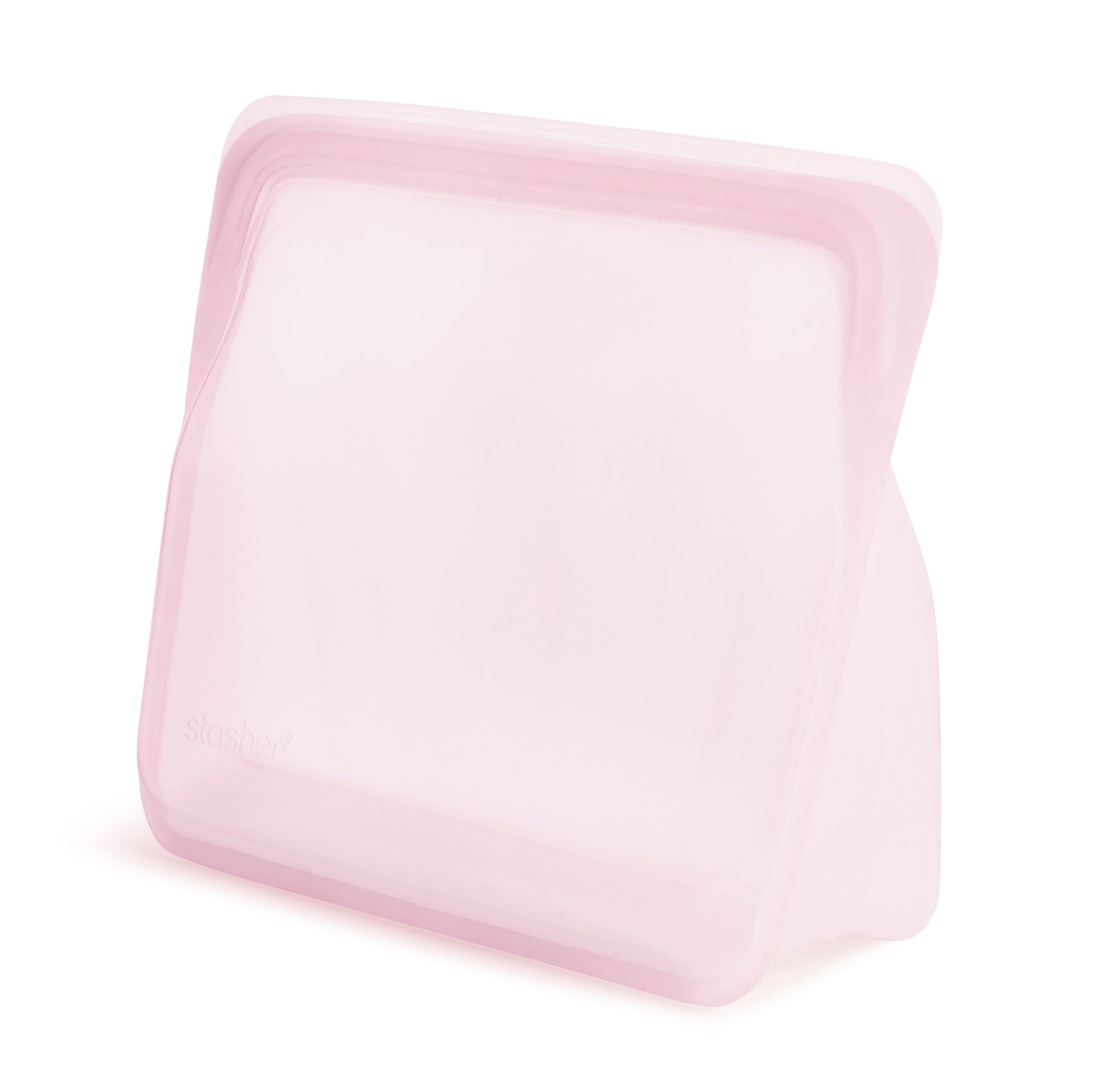
Stasher Stand-Up Mid Silicone Bag
Freezer storage, leftovers, lunches and sous vide
- 1660ml
- 180g
- Platinum food-grade silicone

U-Konserve Nesting Trio Stainless Set
Meal preppers ditching plastic Tupperware for good.
- 720g
- 18/8 stainless steel
- Leakproof

U-Konserve Square Stainless Container 16oz
Lunch packers who want one container that survives every household cycle.
- 470ml
- 220g
- 18/8 stainless + platinum silicone lid
Frequently asked
- هل يمكنني وضع أوعية الستانلس ستيل في الميكروويف؟
- لا. يعكس المعدن داخل الميكروويف الموجات ويمكن أن يتسبب في حدوث شرار كهربائي مع الجدران، مما يؤدي إلى تلف الجهاز. انقل الطعام إلى وعاء من السيراميك.
- كم يدوم كيس السيليكون حقًا؟
- 3–5 سنوات من الاستخدام اليومي للعلامات التجارية الممتازة (Stasher، Zip Top). أما الأنواع الأرخص بدون علامة تجارية فتتلف في غضون 12 شهرًا.
- هل لا تزال منتجات Pyrex مصنوعة من البوروسيليكات؟
- تحولت منتجات Pyrex المصنوعة في الولايات المتحدة إلى زجاج الصودا والجير المقسى منذ عقود؛ بينما لا تزال Pyrex الأوروبية مصنوعة من البوروسيليكات. تحصل أستراليا على كلا النوعين — تحقق من القاعدة لمعرفة بلد التصنيع.
- كم يزن صندوق الغداء الزجاجي عندما يكون ممتلئًا؟
- يزن وعاء تحضير الوجبات الزجاجي القياسي سعة 34oz ما يقرب من 1kg بمجرد ملئه بالطعام، وفقًا لاختباراتنا العملية. ورغم أن الزجاج ممتاز في مقاومة البقع وإعادة التسخين في الميكروويف، فإن هذا الوزن الثقيل يجعله أقل ملاءمة للتنقلات الطويلة مقارنة بالبدائل الأخف وزناً المصنوعة من الفولاذ المقاوم للصدأ أو السيليكون.
- ما أفضل حجم لصندوق الغداء لشخص واحد؟
- بالنسبة لوجبة غداء فردية قياسية، تُعد سعة الوعاء التي تتراوح بين 500ml و700ml مثالية، وفقًا لاختباراتنا طويلة الأمد. وإذا كنت تفضل الجمع بين السلطة والطبق الرئيسي، فإننا نوصي بتقسيم السعة إلى 300ml و700ml. يُفضل شراء أربعة أوعية بالحجم المناسب لاستخدامك اليومي بدلاً من شراء مجموعة مبتدئين ضخمة مكونة من 20 قطعة.
- هل يمكنني وضع وعاء تحضير الوجبات الزجاجي في الفرن؟
- نعم، ولكن يجب عليك التأكد من أنه يتمتع بمعدل مقاومة للصدمات الحرارية يبلغ 120°C أو أعلى. تؤكد اختباراتنا العملية أن زجاج البوروسيليكات عالي الجودة يمكنه تحمّل هذه التغيرات السريعة في درجات الحرارة، مما يتيح لك نقل الوعاء بأمان من المجمد مباشرة إلى فرن مُسخن مسبقًا دون أن يتحطم.
- هل أكياس الطعام المصنوعة من السيليكون آمنة للاستخدام في الفرن؟
- نعم، إن حاويات وأكياس الطعام المصنوعة من السيليكون آمنة للاستخدام في الفرن حتى درجات حرارة تصل إلى 220°C. ووفقًا لمواصفات الشركات المصنعة، يتحمل السيليكون عالي الجودة حرارة الفرن الجافة بشكل ممتاز، مما يجعله خيارًا متعدد الاستخدامات للغاية لإعادة التسخين، على الرغم من أننا نوصي بمراقبة الحد الأقصى لدرجة الحرارة بدقة لمنع التلف.
- هل تتشقق أغطية حاويات الطعام البلاستيكية في غسالة الأطباق؟
- نعم، الأغطية البلاستيكية ذات المشابك التقليدية عرضة بشدة للانثناء والتشقق بعد نحو 100 دورة غسيل في غسالة الأطباق. وتشير اختباراتنا طويلة المدى إلى اختيار علامات تجارية مثل Klean Kanteen أو U-Konserve لأنها تستخدم أغطية سيليكون متينة وقابلة للاستبدال بشكل فردي، أو Glasslock، التي تبيع أغطية بديلة بشكل منفصل حتى لا تضطر إلى التخلص من الحاوية.
- ما درجة الفولاذ المقاوم للصدأ المستخدمة في صناديق الغداء؟
- تُصنع حاويات تحضير الوجبات المعدنية عالية الجودة من الفولاذ المقاوم للصدأ بدرجة 18/8 المخصص للأغذية. وتوضح مواصفات الشركات المصنعة أن الإصدارات ذات الجدار الواحد من هذه الحاويات آمنة للاستخدام في الفرن وخفيفة الوزن للغاية للتنقل، في حين أن الحاويات المعزولة مفرغة الهواء ذات الجدار المزدوج ستحافظ على طعامك دافئًا ولكن لا يمكن وضعها في الفرن.
Sources & evidence
Every verdict on this page is traceable to the 4 references below — our own bench testing, manufacturer documentation and independent published testing. Where evidence is thin, we say so in the text rather than rounding up.
- US FDA, Food ingredients and packaging guidance www.fda.gov/food/food-ingredients-packaging
- NSF International, food equipment materials standards www.nsf.org/standards-development/food
- The Reusable Edit testing and scoring methodology reusableedit.com/about
- Answer library and machine-readable data feed reusableedit.com/answers
Evidence last reviewed .