Meal-prep ਕੰਟੇਨਰ: ਕੱਚ ਬਨਾਮ ਸਟੇਨਲੈਸ ਬਨਾਮ ਸਿਲੀਕੋਨ
ਤਿੰਨ-ਤਰਫ਼ਾ ਸਮਝੌਤਾ
| | ਕੱਚ | ਸਟੇਨਲੈਸ | ਸਿਲੀਕੋਨ | |---|---|---|---| | ਭਾਰ | ਸਭ ਤੋਂ ਭਾਰੀ | ਦਰਮਿਆਨਾ | ਸਭ ਤੋਂ ਹਲਕਾ | | ਨਾਜ਼ੁਕਤਾ | ਟੁੱਟ ਜਾਂਦਾ ਹੈ | ਡੇਂਟ ਪੈਂਦੇ ਹਨ | ਛੇਕ ਹੁੰਦੇ ਹਨ | | ਓਵਨ-ਸੁਰੱਖਿਅਤ | ਹਾਂ | ਹਾਂ (ਸਿੰਗਲ ਵਾਲ) | 220°C ਤੱਕ | | ਮਾਈਕ੍ਰੋਵੇਵ-ਸੁਰੱਖਿਅਤ | ਹਾਂ | ਨਹੀਂ | ਹਾਂ | | ਡਿਸ਼ਵਾਸ਼ਰ | ਹਾਂ | ਹਾਂ | ਹਾਂ | | ਫ੍ਰੀਜ਼ਰ | ਖਾਲੀ ਥਾਂ ਛੱਡ ਕੇ | ਹਾਂ | ਸ਼੍ਰੇਣੀ ਵਿੱਚ ਸਭ ਤੋਂ ਵਧੀਆ | | ਗੰਧ ਦਾ ਰਹਿਣਾ | ਕੋਈ ਨਹੀਂ | ਬਹੁਤ ਘੱਟ | ਕੁਝ | | ਲਾਗਤ | ਜ਼ਿਆਦਾ | ਸਭ ਤੋਂ ਜ਼ਿਆਦਾ | ਦਰਮਿਆਨੀ |
ਕੱਚ ਬਾਰੇ ਵਿਸਥਾਰ ਵਿੱਚ
ਬੋਰੋਸਿਲੀਕੇਟ ਕੱਚ (Pyrex, Kilner, Glasslock) ਸੋਡਾ-ਲਾਈਮ ਕੱਚ (ਸਸਤੇ ਸਟੋਰ ਬ੍ਰਾਂਡ) ਨਾਲੋਂ ਥਰਮਲ ਸ਼ੌਕ ਨੂੰ ਬਿਹਤਰ ਢੰਗ ਨਾਲ ਸੰਭਾਲਦਾ ਹੈ। ਜੇਕਰ ਤੁਸੀਂ ਕੰਟੇਨਰਾਂ ਨੂੰ ਫ੍ਰੀਜ਼ਰ ਤੋਂ ਓਵਨ ਵਿੱਚ ਲਿਜਾਣ ਦੀ ਯੋਜਨਾ ਬਣਾ ਰਹੇ ਹੋ, ਤਾਂ 120°C+ ਦੀ "ਥਰਮਲ ਸ਼ੌਕ" ਰੇਟਿੰਗ ਦੀ ਜਾਂਚ ਕਰੋ।
ਜਿੱਥੇ ਇਹ ਜਿੱਤਦਾ ਹੈ: ਕੰਟੇਨਰ ਵਿੱਚ ਹੀ ਬਚੇ ਹੋਏ ਭੋਜਨ ਨੂੰ ਦੁਬਾਰਾ ਗਰਮ ਕਰਨਾ, ਫਰਿੱਜ ਵਿੱਚ ਚੀਜ਼ਾਂ ਦਾ ਆਸਾਨੀ ਨਾਲ ਦਿਸਣਾ, ਅਤੇ ਟਮਾਟਰ-ਆਧਾਰਿਤ ਸੌਸ ਦਾ ਲੰਬੇ ਸਮੇਂ ਲਈ ਭੰਡਾਰਨ ਜੋ ਸਿਲੀਕੋਨ ਜਾਂ ਪਲਾਸਟਿਕ 'ਤੇ ਦਾਗ ਲਗਾ ਸਕਦੀਆਂ ਹਨ।
ਜਿੱਥੇ ਇਹ ਮਾਤ ਖਾਂਦਾ ਹੈ: ਭਾਰ (ਭੋਜਨ ਨਾਲ ਭਰਿਆ 34oz ਦਾ ਕੱਚ ਦਾ ਕੰਟੇਨਰ ਲਗਭਗ 1kg ਦੇ ਬਰਾਬਰ ਹੁੰਦਾ ਹੈ), ਅਤੇ ਜੇਕਰ ਢੱਕਣ ਡਿੱਗ ਜਾਵੇ ਤਾਂ ਟੁੱਟਣ ਦਾ ਖਤਰਾ।
ਸਟੇਨਲੈਸ ਬਾਰੇ ਵਿਸਥਾਰ ਵਿੱਚ
Klean Kanteen, U-Konserve, ਅਤੇ Ecolunchbox ਸਾਰੇ ਫੂਡ-ਗ੍ਰੇਡ 18/8 ਸਟੇਨਲੈਸ ਕੰਟੇਨਰ ਵੇਚਦੇ ਹਨ। ਕੁਝ ਸਿੰਗਲ-ਵਾਲ (ਹਲਕੇ, ਓਵਨ-ਸੁਰੱਖਿਅਤ, ਕੋਈ ਇੰਸੂਲੇਸ਼ਨ ਨਹੀਂ) ਹੁੰਦੇ ਹਨ ਅਤੇ ਕੁਝ ਡਬਲ-ਵਾਲ ਵੈਕਿਊਮ ਇੰਸੂਲੇਟਡ (ਹੋਰ ਭਾਰੀ, ਸਮੱਗਰੀ ਨੂੰ ਗਰਮ ਰੱਖਦੇ ਹਨ, ਓਵਨ-ਸੁਰੱਖਿਅਤ ਨਹੀਂ) ਹੁੰਦੇ ਹਨ।
ਜਿੱਥੇ ਇਹ ਜਿੱਤਦਾ ਹੈ: ਸਾਲਾਂ-ਬੱਧੀ ਟਿਕਾਊਪਣ, ਗੰਧ ਨਾ ਰਹਿਣਾ, ਅਤੇ ਸਫ਼ਰ ਲਈ ਪ੍ਰਤੀ-ਲੀਟਰ ਸਭ ਤੋਂ ਹਲਕਾ।
ਜਿੱਥੇ ਇਹ ਮਾਤ ਖਾਂਦਾ ਹੈ: ਮਾਈਕ੍ਰੋਵੇਵ (ਜ਼ਾਹਰ ਹੈ), ਅਤੇ ਅੰਦਰਲੀ ਸਮੱਗਰੀ ਦਾ ਘੱਟ ਦਿਸਣਾ। ਨਾਲ ਹੀ ਸਿੱਧੇ ਗਰਮ ਕਰਨ ਲਈ ਇੰਡਕਸ਼ਨ ਪਲੇਟਿੰਗ ਨਾਲ ਅਨੁਕੂਲ ਨਾ ਹੋਣਾ।
ਸਿਲੀਕੋਨ ਬਾਰੇ ਵਿਸਥਾਰ ਵਿੱਚ
ਫੋਲਡ ਹੋਣ ਵਾਲੇ ਸਿਲੀਕੋਨ ਕੰਟੇਨਰ (Stojo ਬਾਊਲ, W&P Porter, Stasher ਸਟੈਂਡ-ਅੱਪ ਬੈਗ) ਖਾਲੀ ਹੋਣ 'ਤੇ ਚਪਟੇ ਹੋ ਜਾਂਦੇ ਹਨ। ਇਹ ਇਹਨਾਂ ਦਾ ਵਿਲੱਖਣ ਫਾਇਦਾ ਹੈ: ਇੱਕ ਲੰਚ ਕੰਟੇਨਰ ਜੋ ਘਰ ਵਾਪਸ ਆਉਂਦੇ ਸਮੇਂ ਜੇਬ ਜਾਂ ਛੋਟੇ ਬੈਕਪੈਕ ਦੇ ਪਾਊਚ ਵਿੱਚ ਫਿੱਟ ਹੋ ਜਾਂਦਾ ਹੈ।
ਜਿੱਥੇ ਇਹ ਜਿੱਤਦਾ ਹੈ: ਫ੍ਰੀਜ਼ਰ ਬੈਗ (ਸਮਾਨ ਰੂਪ ਵਿੱਚ ਪਾਉਣਾ ਅਤੇ ਇੱਕ ਦੂਜੇ ਉੱਤੇ ਰੱਖਣਾ), ਸੂਪ ਅਤੇ ਸਟੂਅ ਲੈ ਕੇ ਜਾਣਾ, ਅਤੇ ਕੋਈ ਵੀ ਵਰਕਫਲੋ ਜਿੱਥੇ ਖਾਲੀ ਕੰਟੇਨਰ ਦਾ ਆਕਾਰ ਮਾਇਨੇ ਰੱਖਦਾ ਹੈ।
ਜਿੱਥੇ ਇਹ ਮਾਤ ਖਾਂਦਾ ਹੈ: ਭੋਜਨ ਦੀ ਸਹੀ ਮਾਤਰਾ (ਦੀਵਾਰਾਂ ਫਲੈਕਸੀਬਲ ਹੁੰਦੀਆਂ ਹਨ), 220°C ਤੋਂ ਉੱਪਰ ਓਵਨ ਦੀ ਵਰਤੋਂ, ਅਤੇ ਹਲਦੀ ਅਤੇ ਟਮਾਟਰ ਦੇ ਤੇਲ ਤੋਂ ਦਾਗ ਲੱਗਣਾ।
ਸਹੀ ਆਕਾਰ ਦੀ ਚੋਣ
- ਇਕੱਲੇ ਲਈ ਲੰਚ: 500–700ml.
- ਸਲਾਦ + ਮੁੱਖ ਭੋਜਨ ਜੋੜਾ: 300ml + 700ml.
- 4 ਰਾਤ ਦੇ ਖਾਣਿਆਂ ਲਈ ਬੈਚ ਕੁੱਕ: 1L × 4 ਕੰਟੇਨਰ।
- ਸਨੈਕਸ / ਡਿਪਸ / ਬੱਚੇ: 100–200ml.
4 ਕੰਟੇਨਰ ਉਸ ਆਕਾਰ ਵਿੱਚ ਖਰੀਦੋ ਜੋ ਤੁਸੀਂ ਰੋਜ਼ਾਨਾ ਵਰਤਦੇ ਹੋ, ਨਾ ਕਿ 20-ਪੀਸਾਂ ਵਾਲਾ "ਸਟਾਰਟਰ ਸੈੱਟ" ਜਿਸ ਵਿੱਚ ਸਿਰਫ਼ ਦੋ ਹੀ ਵਰਤੋਂ ਯੋਗ ਆਕਾਰ ਹੋਣ।
ਢੱਕਣ ਦੀ ਸਮੱਸਿਆ
ਮੁੜ-ਵਰਤੋਂਯੋਗ ਕੰਟੇਨਰਾਂ ਨਾਲ ਲਗਭਗ ਹਰ ਸਮੱਸਿਆ ਢੱਕਣ ਦੀ ਖਰਾਬੀ ਹੁੰਦੀ ਹੈ। ਸਿਲੀਕੋਨ ਗੈਸਕੇਟ ਮੁੜ ਜਾਂਦੇ ਹਨ, ਪਲਾਸਟਿਕ ਕਲਿੱਪ-ਢੱਕਣ 100 ਡਿਸ਼ਵਾਸ਼ਰ ਸਾਈਕਲਾਂ ਤੋਂ ਬਾਅਦ ਤਰੇੜ ਪੈ ਜਾਂਦੇ ਹਨ, ਅਤੇ ਕੱਚ ਦੇ ਢੱਕਣ ਕਦੇ ਵੀ ਦੂਜੀ ਵਾਰ ਪੂਰੀ ਤਰ੍ਹਾਂ ਸੀਲ ਨਹੀਂ ਹੁੰਦੇ।
- Klean Kanteen Rise ਅਤੇ U-Konserve ਸਟੇਨਲੈਸ: ਸਿਲੀਕੋਨ ਢੱਕਣ ਵੱਖਰੇ ਤੌਰ 'ਤੇ ਬਦਲੇ ਜਾ ਸਕਦੇ ਹਨ।
- Glasslock: ਪੂਰਾ ਢੱਕਣ ਸਪੇਅਰ ਪਾਰਟ ਵਜੋਂ ਉਪਲਬਧ ਹੈ।
- Stasher, Zip Top: ਕੋਈ ਵੱਖਰਾ ਢੱਕਣ ਨਹੀਂ — ਪੂਰਾ ਬੈਗ ਹੀ ਸੀਲ ਹੈ।
ਵਰਤੋਂ ਦੇ ਹਿਸਾਬ ਨਾਲ ਸਾਡੀਆਂ ਪਸੰਦਾਂ
- ਦੁਬਾਰਾ ਗਰਮ ਕਰਕੇ ਖਾਣ ਵਾਲਾ ਬਚਿਆ ਭੋਜਨ: Glasslock ਜਾਂ Pyrex.
- ਰੋਜ਼ਾਨਾ ਸਲਾਦ + ਪ੍ਰੋਟੀਨ: U-Konserve ਜਾਂ Klean Kanteen Rise.
- ਫ੍ਰੀਜ਼ਰ ਬੈਚ ਕੁਕਿੰਗ: Stasher Stand-Up ਬੈਗ।
- ਸੁੱਕੇ ਸਨੈਕਸ: Ever Eco ਜਾਂ U-Konserve nesting trio.
Our recommended picks
Ever Eco Stainless Bento Box (3-Compartment)
Adult lunches with wet + dry components, kids school lunches without cling wrap.
- 1200ml
- 410g
- 304 stainless steel

Klean Kanteen Rise Food Box 34oz
Office lunches and school lunchboxes.
- 1000ml
- 340g
- 18/8 Stainless Steel
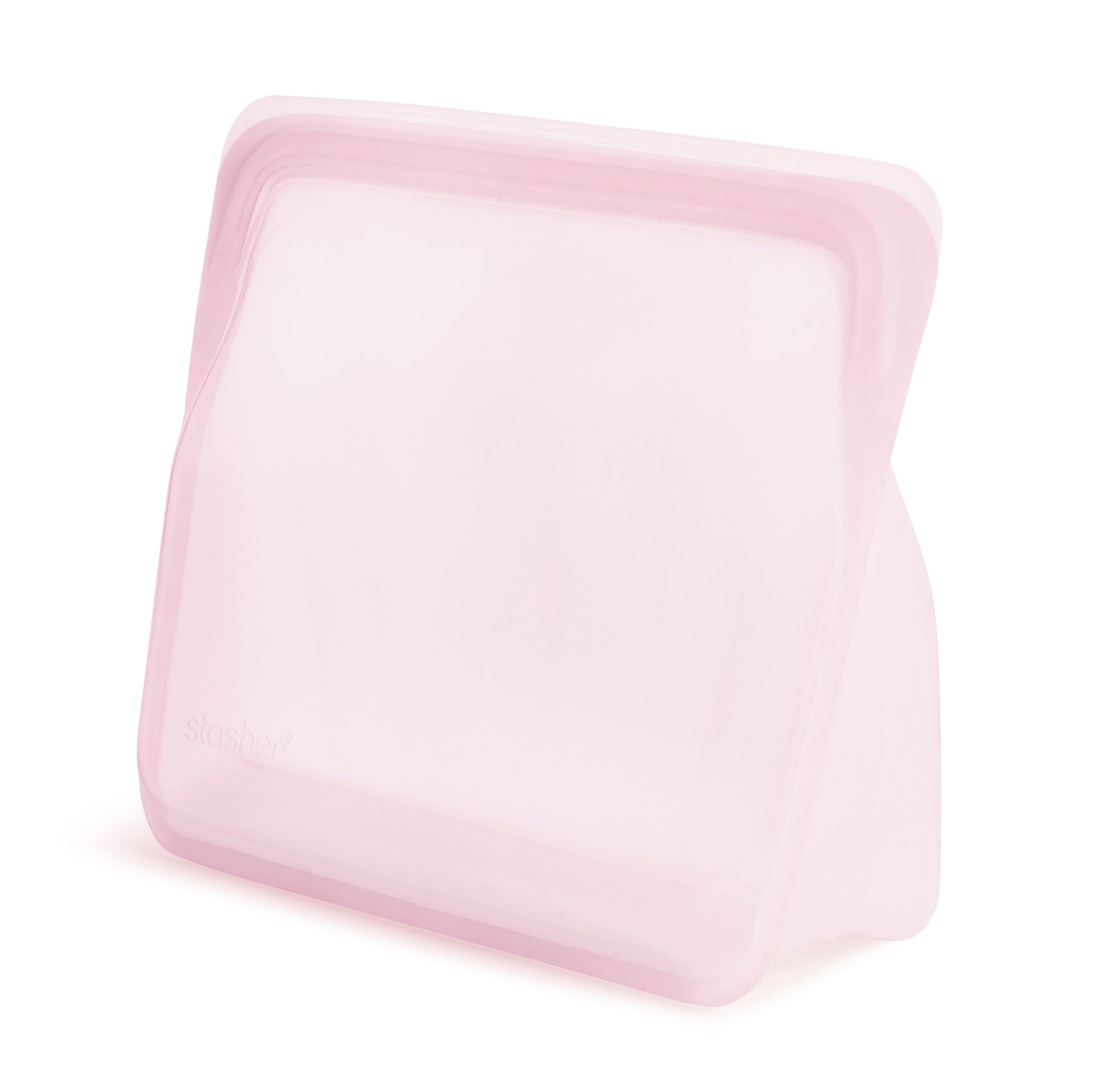
Stasher Stand-Up Mid Silicone Bag
Freezer storage, leftovers, lunches and sous vide
- 1660ml
- 180g
- Platinum food-grade silicone

U-Konserve Nesting Trio Stainless Set
Meal preppers ditching plastic Tupperware for good.
- 720g
- 18/8 stainless steel
- Leakproof

U-Konserve Square Stainless Container 16oz
Lunch packers who want one container that survives every household cycle.
- 470ml
- 220g
- 18/8 stainless + platinum silicone lid
Frequently asked
- ਕੀ ਮੈਂ ਮਾਈਕ੍ਰੋਵੇਵ ਵਿੱਚ ਸਟੇਨਲੈਸ ਕੰਟੇਨਰ ਰੱਖ ਸਕਦਾ ਹਾਂ?
- ਨਹੀਂ। ਮਾਈਕ੍ਰੋਵੇਵ ਵਿੱਚ ਧਾਤੂ ਮਾਈਕ੍ਰੋਵੇਵਜ਼ ਨੂੰ ਰਿਫਲੈਕਟ ਕਰਦੀ ਹੈ ਅਤੇ ਕੰਧਾਂ ਨਾਲ ਆਰਕ (ਚੰਗਿਆੜੀਆਂ) ਪੈਦਾ ਕਰ ਸਕਦੀ ਹੈ, ਜਿਸ ਨਾਲ ਉਪਕਰਨ ਖਰਾਬ ਹੋ ਸਕਦਾ ਹੈ। ਕਿਸੇ ਸਿਰੈਮਿਕ ਬਾਊਲ ਵਿੱਚ ਟ੍ਰਾਂਸਫਰ ਕਰੋ।
- ਇੱਕ ਸਿਲੀਕੋਨ ਬੈਗ ਅਸਲ ਵਿੱਚ ਕਿੰਨਾ ਸਮਾਂ ਚੱਲਦਾ ਹੈ?
- ਪ੍ਰੀਮੀਅਮ ਬ੍ਰਾਂਡਾਂ (Stasher, Zip Top) ਲਈ ਰੋਜ਼ਾਨਾ ਵਰਤੋਂ ਨਾਲ 3–5 ਸਾਲ। ਸਸਤੇ ਅਨਬ੍ਰਾਂਡਿਡ 12 ਮਹੀਨਿਆਂ ਦੇ ਅੰਦਰ ਖਰਾਬ ਹੋ ਜਾਂਦੇ ਹਨ।
- ਕੀ Pyrex ਅਜੇ ਵੀ ਬੋਰੋਸਿਲੀਕੇਟ ਹੈ?
- US-ਨਿਰਮਿਤ Pyrex ਦਹਾਕੇ ਪਹਿਲਾਂ ਸੋਡਾ-ਲਾਈਮ ਟੈਂਪਰਡ ਗਲਾਸ 'ਤੇ ਸ਼ਿਫਟ ਹੋ ਗਿਆ ਸੀ; ਯੂਰਪੀਅਨ Pyrex ਹਾਲੇ ਵੀ ਬੋਰੋਸਿਲੀਕੇਟ ਹੈ। ਆਸਟ੍ਰੇਲੀਆ ਵਿੱਚ ਦੋਵੇਂ ਮਿਲਦੇ ਹਨ — ਬਣਾਉਣ ਵਾਲੇ ਦੇਸ਼ ਦੀ ਜਾਂਚ ਕਰਨ ਲਈ ਬੇਸ (ਹੇਠਾਂ) ਚੈੱਕ ਕਰੋ।
- ਭਰਿਆ ਹੋਣ 'ਤੇ ਕੱਚ ਦੇ ਲੰਚ ਬਾਕਸ ਦਾ ਵਜ਼ਨ ਕਿੰਨਾ ਹੁੰਦਾ ਹੈ?
- ਸਾਡੀ ਬੈਂਚ ਟੈਸਟਿੰਗ ਅਨੁਸਾਰ, ਇੱਕ ਮਿਆਰੀ 34oz ਕੱਚ ਦਾ ਮੀਲ-ਪ੍ਰੈਪ ਕੰਟੇਨਰ ਖਾਣੇ ਨਾਲ ਭਰਨ ਤੋਂ ਬਾਅਦ ਲਗਭਗ 1kg ਦਾ ਹੋ ਜਾਂਦਾ ਹੈ। ਹਾਲਾਂਕਿ ਕੱਚ ਦਾਗ-ਧੱਬਿਆਂ ਦੇ ਵਿਰੋਧ ਅਤੇ ਮਾਈਕ੍ਰੋਵੇਵ ਵਿੱਚ ਦੁਬਾਰਾ ਗਰਮ ਕਰਨ ਲਈ ਬਹੁਤ ਵਧੀਆ ਹੈ, ਪਰ ਇਹ ਭਾਰੀ ਵਜ਼ਨ ਹਲਕੇ ਸਟੇਨਲੈੱਸ ਸਟੀਲ ਜਾਂ ਸਿਲੀਕੋਨ ਦੇ ਵਿਕਲਪਾਂ ਦੀ ਤੁਲਨਾ ਵਿੱਚ ਲੰਬੇ ਸਫ਼ਰ ਲਈ ਇਸਨੂੰ ਘੱਟ ਵਿਹਾਰਕ ਬਣਾਉਂਦਾ ਹੈ।
- ਇੱਕ ਵਿਅਕਤੀ ਲਈ ਲੰਚ ਬਾਕਸ ਦਾ ਸਭ ਤੋਂ ਵਧੀਆ ਸਾਈਜ਼ ਕਿਹੜਾ ਹੈ?
- ਸਾਡੀ ਲੰਬੇ ਸਮੇਂ ਦੀ ਟੈਸਟਿੰਗ ਅਨੁਸਾਰ, ਇੱਕ ਵਿਅਕਤੀ ਦੇ ਮਿਆਰੀ ਲੰਚ ਲਈ, 500ml ਤੋਂ 700ml ਦੀ ਕੰਟੇਨਰ ਸਮਰੱਥਾ ਆਦਰਸ਼ ਹੈ। ਜੇਕਰ ਤੁਸੀਂ ਸਲਾਦ ਅਤੇ ਮੁੱਖ ਭੋਜਨ ਦਾ ਜੋੜਾ ਪਸੰਦ ਕਰਦੇ ਹੋ, ਤਾਂ ਅਸੀਂ 300ml ਅਤੇ 700ml ਦੇ ਵੰਡ ਦੀ ਸਿਫ਼ਾਰਸ਼ ਕਰਦੇ ਹਾਂ। 20-ਪੀਸ ਵਾਲੇ ਭਾਰੀ ਸਟਾਰਟਰ ਸੈੱਟ ਦੀ ਬਜਾਏ ਆਪਣੇ ਰੋਜ਼ਾਨਾ ਵਰਤੋਂ ਵਾਲੇ ਸਾਈਜ਼ ਦੇ ਚਾਰ ਕੰਟੇਨਰ ਖਰੀਦਣਾ ਸਭ ਤੋਂ ਵਧੀਆ ਹੈ।
- ਕੀ ਮੈਂ ਕੱਚ ਦੇ ਮੀਲ-ਪ੍ਰੈਪ ਕੰਟੇਨਰ ਨੂੰ ਓਵਨ ਵਿੱਚ ਰੱਖ ਸਕਦਾ ਹਾਂ?
- ਹਾਂ, ਪਰ ਤੁਹਾਨੂੰ ਇਹ ਯਕੀਨੀ ਬਣਾਉਣਾ ਪਵੇਗਾ ਕਿ ਇਸਦੀ ਥਰਮਲ ਸ਼ੌਕ ਰੇਟਿੰਗ 120°C ਜਾਂ ਇਸ ਤੋਂ ਵੱਧ ਹੋਵੇ। ਸਾਡੀ ਬੈਂਚ ਟੈਸਟਿੰਗ ਪੁਸ਼ਟੀ ਕਰਦੀ ਹੈ ਕਿ ਉੱਚ-ਗੁਣਵੱਤਾ ਵਾਲਾ ਬੋਰੋਸਿਲੀਕੇਟ ਕੱਚ ਤਾਪਮਾਨ ਦੇ ਇਹਨਾਂ ਤੇਜ਼ ਬਦਲਾਆਂ ਨੂੰ ਸੰਭਾਲ ਸਕਦਾ ਹੈ, ਜਿਸ ਨਾਲ ਤੁਸੀਂ ਕੰਟੇਨਰ ਨੂੰ ਬਿਨਾਂ ਟੁੱਟੇ ਫ੍ਰੀਜ਼ਰ ਤੋਂ ਸਿੱਧਾ ਪਹਿਲਾਂ ਤੋਂ ਗਰਮ ਕੀਤੇ ਓਵਨ ਵਿੱਚ ਸੁਰੱਖਿਅਤ ਢੰਗ ਨਾਲ ਰੱਖ ਸਕਦੇ ਹੋ।
- ਕੀ ਸਿਲੀਕੋਨ ਦੇ ਫੂਡ ਬੈਗ ਓਵਨ ਵਿੱਚ ਵਰਤਣ ਲਈ ਸੁਰੱਖਿਅਤ ਹਨ?
- ਹਾਂ, ਸਿਲੀਕੋਨ ਦੇ ਫੂਡ ਕੰਟੇਨਰ ਅਤੇ ਬੈਗ 220°C ਤੱਕ ਦੇ ਤਾਪਮਾਨ 'ਤੇ ਓਵਨ-ਸੁਰੱਖਿਅਤ ਹਨ। ਨਿਰਮਾਤਾ ਦੇ ਨਿਰਦੇਸ਼ਾਂ ਅਨੁਸਾਰ, ਉੱਚ-ਗੁਣਵੱਤਾ ਵਾਲਾ ਸਿਲੀਕੋਨ ਓਵਨ ਦੀ ਸੁੱਕੀ ਗਰਮੀ ਨੂੰ ਬਹੁਤ ਵਧੀਆ ਢੰਗ ਨਾਲ ਬਰਦਾਸ਼ਤ ਕਰਦਾ ਹੈ, ਜਿਸ ਨਾਲ ਇਹ ਮੁੜ ਗਰਮ ਕਰਨ ਲਈ ਇੱਕ ਬਹੁਤ ਹੀ ਬਹੁਮੁਖੀ ਵਿਕਲਪ ਬਣ ਜਾਂਦਾ ਹੈ, ਹਾਲਾਂਕਿ ਅਸੀਂ ਨੁਕਸਾਨ ਤੋਂ ਬਚਣ ਲਈ ਤਾਪਮਾਨ ਦੀ ਸੀਮਾ 'ਤੇ ਨੇੜਿਓਂ ਨਜ਼ਰ ਰੱਖਣ ਦੀ ਸਲਾਹ ਦਿੰਦੇ ਹਾਂ।
- ਕੀ ਪਲਾਸਟਿਕ ਦੇ ਫੂਡ ਕੰਟੇਨਰਾਂ ਦੇ ਢੱਕਣ ਡਿਸ਼ਵਾਸ਼ਰ ਵਿੱਚ ਤਿੜਕ ਜਾਂਦੇ ਹਨ?
- ਹਾਂ, ਆਮ ਪਲਾਸਟਿਕ ਦੇ ਕਲਿੱਪ-ਢੱਕਣ ਲਗਭਗ 100 ਡਿਸ਼ਵਾਸ਼ਰ ਸਾਈਕਲਾਂ ਤੋਂ ਬਾਅਦ ਮੁੜਨ ਅਤੇ ਤਿੜਕਣ ਦੇ ਬਹੁਤ ਜ਼ਿਆਦਾ ਸ਼ਿਕਾਰ ਹੁੰਦੇ ਹਨ। ਸਾਡੀ ਲੰਬੇ ਸਮੇਂ ਦੀ ਟੈਸਟਿੰਗ Klean Kanteen ਜਾਂ U-Konserve ਵਰਗੇ ਬ੍ਰਾਂਡਾਂ ਦੀ ਚੋਣ ਕਰਨ ਦਾ ਸੁਝਾਅ ਦਿੰਦੀ ਹੈ ਕਿਉਂਕਿ ਉਹ ਟਿਕਾਊ, ਵੱਖਰੇ ਤੌਰ 'ਤੇ ਬਦਲੇ ਜਾਣ ਵਾਲੇ ਸਿਲੀਕੋਨ ਢੱਕਣਾਂ ਦੀ ਵਰਤੋਂ ਕਰਦੇ ਹਨ, ਜਾਂ Glasslock, ਜੋ ਵਾਧੂ ਢੱਕਣ ਵੱਖਰੇ ਤੌਰ 'ਤੇ ਵੇਚਦਾ ਹੈ ਤਾਂ ਜੋ ਤੁਾਨੂੰ ਕੰਟੇਨਰ ਸੁੱਟਣਾ ਨਾ ਪਵੇ।
- ਲੰਚ ਬਾਕਸਾਂ ਵਿੱਚ ਕਿਸ ਗ੍ਰੇਡ ਦੇ ਸਟੇਨਲੈੱਸ ਸਟੀਲ ਦੀ ਵਰਤੋਂ ਕੀਤੀ ਜਾਂਦੀ ਹੈ?
- ਉੱਚ-ਗੁਣਵੱਤਾ ਵਾਲੇ ਧਾਤ ਦੇ ਮੀਲ-ਪ੍ਰੈਪ ਕੰਟੇਨਰ ਫੂਡ-ਗ੍ਰੇਡ 18/8 ਸਟੇਨਲੈੱਸ ਸਟੀਲ ਤੋਂ ਬਣਾਏ ਜਾਂਦੇ ਹਨ। ਨਿਰਮਾਤਾ ਦੇ ਨਿਰਦੇਸ਼ ਦਰਸਾਉਂਦੇ ਹਨ ਕਿ ਇਹਨਾਂ ਕੰਟੇਨਰਾਂ ਦੇ ਸਿੰਗਲ-ਵਾਲ ਸੰਸਕਰਣ ਓਵਨ-ਸੁਰੱਖਿਅਤ ਹਨ ਅਤੇ ਆਉਣ-ਜਾਣ ਲਈ ਬਹੁਤ ਹਲਕੇ ਹਨ, ਜਦੋਂ ਕਿ ਡਬਲ-ਵਾਲ ਵੈਕਿਊਮ ਇੰਸੂਲੇਟਡ ਕੰਟੇਨਰ ਤੁਹਾਡੇ ਭੋਜਨ ਨੂੰ ਗਰਮ ਰੱਖਣਗੇ ਪਰ ਓਵਨ ਵਿੱਚ ਨਹੀਂ ਰੱਖੇ ਜਾ ਸਕਦੇ।
Sources & evidence
Every verdict on this page is traceable to the 4 references below — our own bench testing, manufacturer documentation and independent published testing. Where evidence is thin, we say so in the text rather than rounding up.
- US FDA, Food ingredients and packaging guidance www.fda.gov/food/food-ingredients-packaging
- NSF International, food equipment materials standards www.nsf.org/standards-development/food
- The Reusable Edit testing and scoring methodology reusableedit.com/about
- Answer library and machine-readable data feed reusableedit.com/answers
Evidence last reviewed .