备餐盒:玻璃 vs 不锈钢 vs 硅胶
三种材质的权衡取舍
| | 玻璃 | 不锈钢 | 硅胶 | |---|---|---|---| | 重量 | 最重 | 居中 | 最轻 | | 易损性 | 易碎 | 易凹陷 | 易刺破 | | 适用烤箱 | 是 | 是(单层) | 最高 220°C | | 适用微波炉 | 是 | 否 | 是 | | 适用洗碗机 | 是 | 是 | 是 | | 适用冷冻 | 需留膨胀空间 | 是 | 表现最佳 | | 异味残留 | 无 | 极低 | 有一些 | | 价格 | 较高 | 最高 | 居中 |
玻璃材质详解
高硼硅玻璃(Pyrex、Kilner、Glasslock)比钠钙玻璃(更便宜的平价品牌)具有更好的耐热冲击性。如果您计划将容器直接从冷冻室放入烤箱,请选择“耐热温差”在 120°C 以上的产品。
优势:可直接在容器中加热剩菜、在冰箱中一目了然地查看食物,以及长期存放会导致硅胶或塑料染色的大蒜或番茄类酱汁。
劣势:重量较重(一个装满食物的 34oz 玻璃容器重量接近 1kg),以及盖子或容器掉落时有碎裂的风险。
不锈钢材质详解
Klean Kanteen、U-Konserve 和 Ecolunchbox 均出售食品级 18/8 不锈钢容器。部分产品为单层设计(轻便、适用烤箱、无保温效果),部分为双层真空保温设计(较重、可保持食物温度、不适用烤箱)。
优势:经久耐用可用多年、绝不残留异味,且按每升容积计算是通勤中最轻的选择。
劣势:无法使用微波炉(显而易见),以及无法清晰看到内部食物。此外也不兼容电磁炉直接加热。
硅胶材质详解
可折叠硅胶容器(Stojo 碗、W&P Porter、Stasher stand-up bags)在空置时可以压扁。这是它们的独特优势:在回家路上,午餐盒可以轻松塞进口袋或背包侧袋中。
优势:做冷冻保存袋(便于平铺倒入和堆叠)、携带汤品和炖菜,以及任何注重空容器体积的使用场景。
劣势:难以精准控制份量(盒壁具弹性会变形)、不适用于 220°C 以上的烤箱环境,以及容易被姜黄和番茄油渍染色。
尺寸选择建议
- 一人份午餐: 500–700ml。
- 沙拉 + 主食组合: 300ml + 700ml。
- 批量备餐(4 份晚餐): 1L × 4 个容器。
- 零食 / 蘸酱 / 儿童份: 100–200ml。
建议购买 4 个您日常真正用得上的尺寸,而不是买那种只有两个实用尺寸的 20 件套“新手套装”。
盖子的常见痛点
可重复使用容器在使用中出现的绝大多数问题都源于盖子。硅胶密封圈会变形,塑料扣盖在洗碗机洗涤 100 次后会开裂,而玻璃盖的密封效果往往很难始终如一。
- Klean Kanteen Rise 和 U-Konserve 不锈钢:硅胶盖可单独更换。
- Glasslock:可单独购买完整盖子作为配件。
- Stasher、Zip Top:没有独立的盖子——整个袋子本身即是密封体。
针对不同场景的推荐选择
- 直接加热食用剩菜: Glasslock 或 Pyrex。
- 日常沙拉 + 蛋白质: U-Konserve 或 Klean Kanteen Rise。
- 冷冻批量备餐: Stasher Stand-Up bags。
- 干性零食: Ever Eco 或 U-Konserve nesting trio。
Our recommended picks
Ever Eco Stainless Bento Box (3-Compartment)
Adult lunches with wet + dry components, kids school lunches without cling wrap.
- 1200ml
- 410g
- 304 stainless steel

Klean Kanteen Rise Food Box 34oz
Office lunches and school lunchboxes.
- 1000ml
- 340g
- 18/8 Stainless Steel
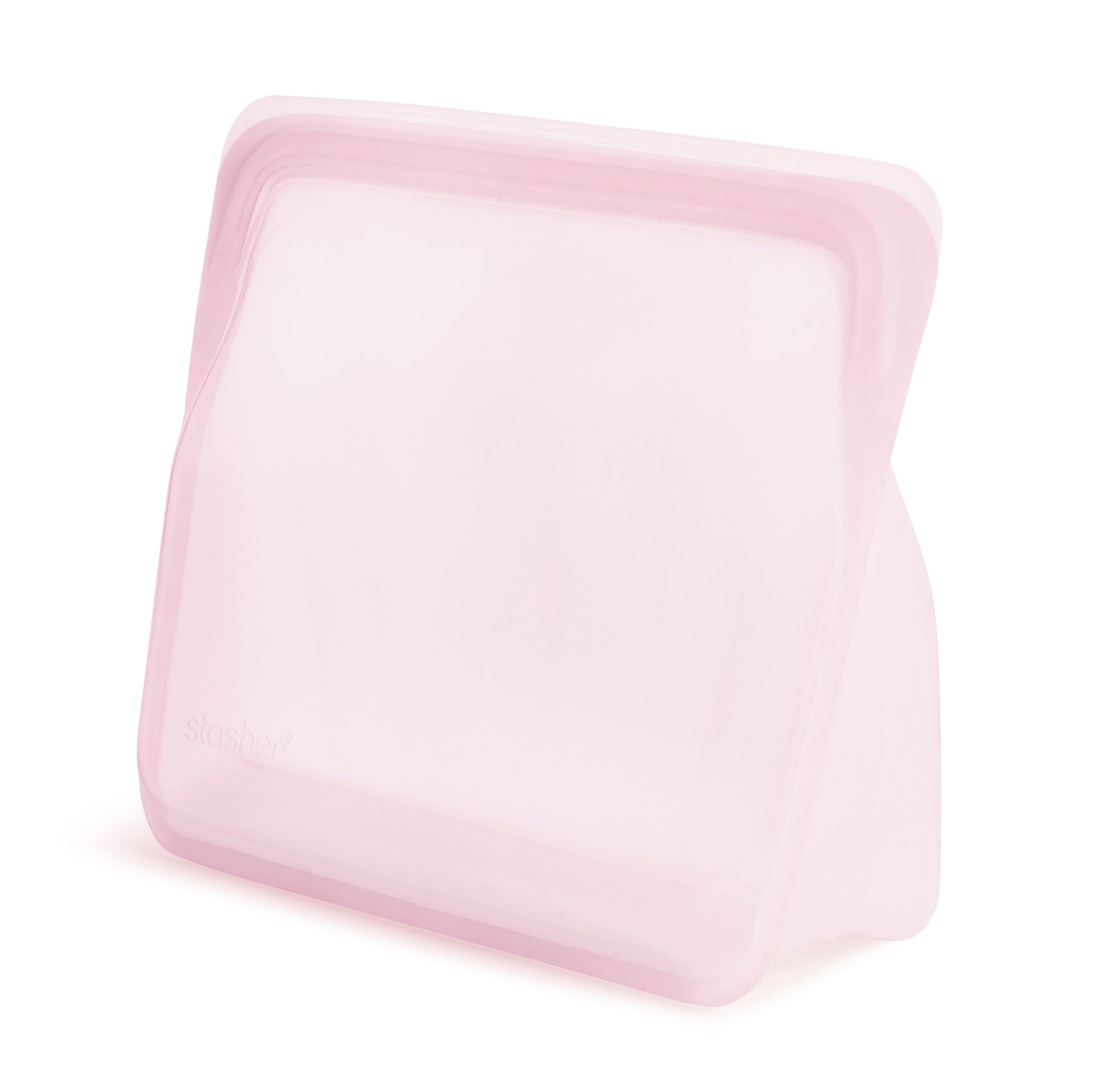
Stasher Stand-Up Mid Silicone Bag
Freezer storage, leftovers, lunches and sous vide
- 1660ml
- 180g
- Platinum food-grade silicone

U-Konserve Nesting Trio Stainless Set
Meal preppers ditching plastic Tupperware for good.
- 720g
- 18/8 stainless steel
- Leakproof

U-Konserve Square Stainless Container 16oz
Lunch packers who want one container that survives every household cycle.
- 470ml
- 220g
- 18/8 stainless + platinum silicone lid
Frequently asked
- 不锈钢容器可以放进微波炉吗?
- 不行。微波炉中的金属会反射微波,并可能与炉壁产生电弧,从而损坏电器。请转入陶瓷碗中加热。
- 硅胶袋究竟能用多久?
- 高端品牌(Stasher、Zip Top)在日常使用下可使用 3–5 年。较便宜的无品牌产品在 12 个月内就会损坏。
- Pyrex 还是高硼硅玻璃吗?
- 美国产的 Pyrex 几十年前就改用了钠钙钢化玻璃;而欧洲产的 Pyrex 仍是高硼硅玻璃。澳大利亚两者都有——请查看底部标注的生产国。
- 装满食物的玻璃饭盒有多重?
- 根据我们的实测,一个标准的 34oz 玻璃备餐盒装满食物后重量接近 1kg。虽然玻璃在抗污和微波加热方面表现出色,但与更轻便的不锈钢或硅胶替代品相比,较重的分量使其不太适合长途通勤。
- 单人最适合多大尺寸的饭盒?
- 根据我们的长期测试,对于标准的单人午餐,500ml 至 700ml 的容器容量最为合适。如果您喜欢沙拉与主菜的搭配,我们建议选择 300ml 和 700ml 的组合。与其购买笨重的 20 件套入门组合,不如直接购买四个最适合您日常使用的单品容量。
- 玻璃备餐保鲜盒可以放进烤箱吗?
- 可以,但您必须确保其耐热冲击温度达到 120°C 或更高。我们的测试证实,优质的高硼硅玻璃可以承受这种剧烈的温差变化,让您可以安全地将保鲜盒从冷冻室直接放入预热好的烤箱中,而不会破裂。
- 硅胶保鲜袋可以在烤箱中安全使用吗?
- 可以,硅胶食品保鲜盒和保鲜袋耐烤箱高温可达 220°C。根据制造商的技术规格,优质硅胶能够很好地应对烤箱干热,是非常实用的加热选择,不过我们建议密切注意温度上限,以防损坏。
- 塑料保鲜盒盖会在洗碗机里开裂吗?
- 是的,常见的塑料卡扣盖在洗碗机清洗约 100 次后极易发生变形和开裂。我们的长期测试建议选择 Klean Kanteen 或 U-Konserve 等品牌,因为它们使用耐用且可单独更换的硅胶盖;或者选择 Glasslock,该品牌单独销售备用盖,这样您就无需丢弃整个容器。
- 餐盒使用的是什么等级的不锈钢?
- 高品质金属备餐盒由食品级 18/8 不锈钢制成。制造商规格说明表示,单层款式的餐盒适用于烤箱,且十分轻便适合通勤;而双层真空保温餐盒虽能为食物保温,但不能放入烤箱。
Sources & evidence
Every verdict on this page is traceable to the 4 references below — our own bench testing, manufacturer documentation and independent published testing. Where evidence is thin, we say so in the text rather than rounding up.
- US FDA, Food ingredients and packaging guidance www.fda.gov/food/food-ingredients-packaging
- NSF International, food equipment materials standards www.nsf.org/standards-development/food
- The Reusable Edit testing and scoring methodology reusableedit.com/about
- Answer library and machine-readable data feed reusableedit.com/answers
Evidence last reviewed .