ਮੁੜ ਵਰਤੋਂ ਯੋਗ ਸਾਮਾਨ ਅਤੇ ਬਲਕ ਬਿਨ ਬੈਗ: ਕੀ ਖਰੀਦਣਾ ਹੈ ਅਤੇ ਉਹਨਾਂ ਦਾ ਵਜ਼ਨ ਕਿਵੇਂ ਕਰਨਾ ਹੈ
ਬੈਗ ਦੇ ਵਜ਼ਨ ਦੀ ਸਮੱਸਿਆ
ਤਾਜ਼ੀਆਂ ਫਲ-ਸਬਜ਼ੀਆਂ ਵਜ਼ਨ ਦੇ ਹਿਸਾਬ ਨਾਲ ਵੇਚੀਆਂ ਜਾਂਦੀਆਂ ਹਨ, ਇਸ ਲਈ ਇੱਕ ਭਾਰੀ ਰੀਯੂਜ਼ੇਬਲ (ਮੁੜ ਵਰਤੋਂ ਯੋਗ) ਬੈਗ ਹਰ ਚੈੱਕਆਊਟ 'ਤੇ ਖਰਚਾ ਵਧਾਉਂਦਾ ਹੈ। ਸਭ ਤੋਂ ਵਧੀਆ ਅਜੋਕੇ ਪ੍ਰੋਡਿਊਸ ਬੈਗ ਲਗਭਗ 10–15g ਹਰੇਕ ਹੁੰਦੇ ਹਨ — ਇੱਕ ਕਿੱਲੋ ਸੇਬਾਂ ਦੇ ਮੁਕਾਬਲੇ ਨਾਮਾਤਰ। ਸਸਤੇ ਮੋਟੇ ਕੈਨਵਸ ਬੈਗਾਂ ਦਾ ਵਜ਼ਨ 40–80g ਹੋ ਸਕਦਾ ਹੈ, ਜੋ ਇੱਕ ਪੂਰੀ ਟ੍ਰਾਲੀ ਵਿੱਚ ਕਾਫ਼ੀ ਵਧ ਜਾਂਦਾ ਹੈ।
ਸੈਲਫ਼-ਚੈੱਕਆਊਟ 'ਤੇ, ਜ਼ਿਆਦਾਤਰ ਆਸਟ੍ਰੇਲੀਆਈ ਸੁਪਰਮਾਰਕੀਟਾਂ ਵਿੱਚ ਇੱਕ "reusable bag" ਬਟਨ ਹੁੰਦਾ ਹੈ ਜੋ ਲਗਭਗ 5–7g ਵਜ਼ਨ ਘਟਾਉਂਦਾ ਹੈ। ਜੇਕਰ ਤੁਹਾਡਾ ਬੈਗ ਇਸ ਤੋਂ ਭਾਰੀ ਹੈ, ਤਾਂ ਇਸ ਨੂੰ ਇੱਕ ਵਾਰ ਜੋਖ ਲਵੋ ਅਤੇ ਲਾਂਡਰੀ-ਮਾਰਕਰ ਨਾਲ ਬੈਗ 'ਤੇ ਨੰਬਰ ਲਿਖ ਲਵੋ ਤਾਂ ਜੋ ਤੁਸੀਂ ਇਸਨੂੰ ਦਰਜ ਕਰ ਸਕੋ।
Mesh ਬਨਾਮ ਕੋਟਨ ਮਸਲਿਨ ਬਨਾਮ ਵੋਵਨ ਕੋਟਨ
Mesh (ਨਾਈਲੋਨ ਜਾਂ ਰੀਸਾਈਕਲ ਕੀਤੀ ਪੋਲੀਏਸਟਰ)
ਸੁਪਰਮਾਰਕੀਟ ਦੇ ਸਮਾਨ ਲਈ ਸਭ ਤੋਂ ਵਧੀਆ। ਕੈਸ਼ੀਅਰ ਅੰਦਰਲੀ ਸਮੱਗਰੀ ਦੇਖ ਸਕਦਾ ਹੈ (ਬਾਹਰ ਕੱਢਣ ਦੀ ਲੋੜ ਨਹੀਂ), ਮੈਸ਼ ਰਾਹੀਂ ਵਜ਼ਨ ਹੋ ਜਾਂਦਾ ਹੈ, ਧੋਣ ਤੋਂ ਬਾਅਦ ਜਲਦੀ ਸੁੱਕਦਾ ਹੈ। ਘਾਟਾਂ: ਵਰਤੋਂ ਖਤਮ ਹੋਣ 'ਤੇ ਕੰਪੋਸਟੇਬਲ ਨਹੀਂ; 100 ਧੋਣਾਂ ਤੋਂ ਬਾਅਦ ਕਿਨਾਰੇ ਉੱਧੜ ਸਕਦੇ ਹਨ।
Cotton muslin
ਬਲਕ-ਬਿਨ ਆਟਾ, ਚੌਲ, ਚੀਨੀ, ਮਸਾਲਿਆਂ ਲਈ ਸਭ ਤੋਂ ਵਧੀਆ। ਬਾਰੀਕ ਬੁਣਾਈ ਆਟੇ ਦੀ ਧੂੜ ਨੂੰ ਬਾਹਰ ਨਿਕਲਣ ਤੋਂ ਰੋਕਦੀ ਹੈ। ਡਰਾਅਸਟ੍ਰਿੰਗ (ਡੋਰੀ) ਨਾਲ ਬੰਨ੍ਹਿਆ ਜਾਂਦਾ ਹੈ। ਕੰਪੋਸਟੇਬਲ। ਘਾਟਾਂ: ਅੰਦਰਲੀ ਸਮੱਗਰੀ ਨਹੀਂ ਦਿਸਦੀ, ਅਤੇ ਗਿੱਲਾ ਹੋਣ 'ਤੇ ਭਾਰੀ ਹੁੰਦਾ ਹੈ।
Woven cotton (Onya ਸਟਾਈਲ)
ਬਲਕ-ਬਿਨ ਅਨਾਜ ਅਤੇ ਪਾਸਤਾ ਲਈ ਸਭ ਤੋਂ ਵਧੀਆ। ਮਸਲਿਨ ਨਾਲੋਂ ਵਧੇਰੇ ਮਜ਼ਬੂਤ, ਮਸ਼ੀਨ ਵਿੱਚ ਧੋਣਯੋਗ। ਘਾਟ: ਵਧੇਰੇ ਟੇਅਰ (tare) ਵਜ਼ਨ (~20–30g)।
"Tare" ਦਾ ਕੀ ਮਤਲਬ ਹੈ
Tare (ਟੇਅਰ) ਖਾਲੀ ਕੰਟੇਨਰ ਜਾਂ ਬੈਗ ਦਾ ਵਜ਼ਨ ਹੁੰਦਾ ਹੈ। ਆਸਟ੍ਰੇਲੀਆ ਦੀਆਂ ਜ਼ਿਆਦਾਤਰ ਬਲਕ ਦੁਕਾਨਾਂ (The Source, Naked Foods, Terra Madre, Wray Organic) ਤੁਹਾਡੇ ਬੈਗ ਨੂੰ ਭਰਨ ਤੋਂ ਪਹਿਲਾਂ ਫਰੰਟ ਕਾਊਂਟਰ 'ਤੇ ਉਸ ਦਾ ਟੇਅਰ ਵਜ਼ਨ ਲੈਂਦੀਆਂ ਹਨ, ਅਤੇ ਫਿਰ ਚੈੱਕਆਊਟ 'ਤੇ ਉਹ ਵਜ਼ਨ ਘਟਾ ਦਿੰਦੀਆਂ ਹਨ। ਕੁਝ ਟੇਅਰ ਸਟਿੱਕਰ ਪ੍ਰਿੰਟ ਕਰਦੇ ਹਨ; ਹੋਰ ਮਾਰਕਰ ਨਾਲ ਬੈਗ 'ਤੇ ਲਿਖ ਦਿੰਦੇ ਹਨ।
ਸੁਪਰਮਾਰਕੀਟ ਦੇ ਬਲਕ ਸੈਕਸ਼ਨ (Woolworths, IGA) ਵਿੱਚ, ਕੋਈ ਰਸਮੀ ਟੇਅਰ ਪ੍ਰਕਿਰਿਆ ਨਹੀਂ ਹੁੰਦੀ — ਆਪਣੇ ਸਭ ਤੋਂ ਹਲਕੇ ਬੈਗਾਂ ਦੀ ਵਰਤੋਂ ਕਰੋ ਅਤੇ ਕੁੱਝ ਗ੍ਰਾਮ ਦੇ ਫਰਕ ਨੂੰ ਸਵੀਕਾਰ ਕਰੋ।
ਸਹੀ ਸਾਈਜ਼ ਦੀ ਚੋਣ
- Small (25×20cm) — ਖੁੰਭਾਂ (ਮਸ਼ਰੂਮ), ਨਟਸ, ਸਨੈਕਸ, ਮਸਾਲੇ।
- Medium (30×35cm) — ਸੇਬ, ਸੰਤਰੇ, ਆਲੂ, ਜ਼ਿਆਦਾਤਰ ਬਲਕ ਅਨਾਜ।
- Large (40×50cm) — ਪੱਤੇਦਾਰ ਸਬਜ਼ੀਆਂ, ਸੈਲਰੀ, ਫੁੱਲਗੋਭੀ, 2kg ਆਟਾ।
4 ਮੀਡੀਅਮ ਅਤੇ 2 ਸਮਾਲ ਬੈਗਾਂ ਦਾ ਇੱਕ ਸੈੱਟ ਹਫ਼ਤਾਵਾਰੀ ਖਰੀਦਦਾਰੀ ਲਈ ਕਾਫ਼ੀ ਹੁੰਦਾ ਹੈ।
ਦੇਖਭਾਲ
- ਜੇਕਰ ਸਾਮਾਨ ਪੱਤੇਦਾਰ ਜਾਂ ਨਮੀ ਵਾਲਾ ਸੀ ਤਾਂ ਹਰ ਵਰਤੋਂ ਤੋਂ ਬਾਅਦ ਧੋਵੋ।
- mesh ਲਾਂਡਰੀ ਬੈਗ ਵਿੱਚ ਮਸ਼ੀਨ ਵਾਸ਼ ਕਰੋ (ਡਰਾਅਸਟ੍ਰਿੰਗਾਂ ਦਾ ਬਚਾਅ ਹੁੰਦਾ ਹੈ)।
- ਤਾਰ 'ਤੇ ਸੁਕਾਓ (ਡ੍ਰਾਇਅਰ ਦੀ ਗਰਮੀ ਨਾਲ ਸੂਤੀ ਬੈਗ ਸੁੰਗੜ ਸਕਦੇ ਹਨ ਅਤੇ ਫਲਾਂ ਦੇ ਦਾਗ਼ ਪੱਕੇ ਹੋ ਸਕਦੇ ਹਨ)।
- ਜਦੋਂ ਡਰਾਅਸਟ੍ਰਿੰਗ ਜਾਂ ਸੀਊਂ ਉੱਧੜ ਜਾਵੇ ਤਾਂ ਬਦਲੋ — ਆਮ ਤੌਰ 'ਤੇ 2–3 ਸਾਲਾਂ ਵਿੱਚ।
ਪ੍ਰੋਡਿਊਸ ਬੈਗ ਕਿੱਥੇ ਨਾਕਾਮ ਹੁੰਦੇ ਹਨ
- ਗਿੱਲੀਆਂ ਪੱਤੇਦਾਰ ਸਬਜ਼ੀਆਂ ਪਲਾਸਟਿਕ-ਲਾਈਨ ਵਾਲੇ mesh ਬੈਗ ਵਿੱਚ 24 ਘੰਟਿਆਂ ਤੋਂ ਵੱਧ ਸਮੇਂ ਲਈ ਰੱਖਣ ਨਾਲ ਸੁਪਰਮਾਰਕੀਟ ਦੇ ਪਲਾਸਟਿਕ ਬੈਗ ਨਾਲੋਂ ਜ਼ਿਆਦਾ ਜਲਦੀ ਉੱਲੀ ਫੜ ਲੈਂਦੀਆਂ ਹਨ। ਘਰ ਆ ਕੇ ਕੰਟੇਨਰ ਵਿੱਚ ਖਾਲੀ ਕਰੋ।
- ਬੈਰੀਜ਼ (Berries) — mesh ਇਹਨਾਂ ਨੂੰ ਪਿਚਕਾ ਦਿੰਦਾ ਹੈ। ਕਿਸੇ ਸਖ਼ਤ ਕੰਟੇਨਰ ਦੀ ਵਰਤੋਂ ਕਰੋ।
- ਬਹੁਤ ਛੋਟੀਆਂ ਚੀਜ਼ਾਂ (ਚੀਆ ਸੀਡਜ਼, ਤਿਲ) — ਸਿਰਫ਼ muslin ਦੀ ਵਰਤੋਂ ਕਰੋ, ਜਾਂ ਘਰੋਂ ਕੋਈ ਜਾਰ ਲੈ ਕੇ ਜਾਓ।
ਸਾਡੀਆਂ ਪਸੰਦਾਂ
- Mesh ਸੈੱਟ: Ever Eco Reusable Produce Bag Set (8).
- ਬਲਕ ਬਿਨ: Onya Bulk Food Bag Set.
- Muslin/ਕੋਟਨ: 15g ਪ੍ਰਤੀ ਬੈਗ ਤੋਂ ਘੱਟ ਵਾਲਾ ਕੋਈ ਵੀ ਆਸਟ੍ਰੇਲੀਆਈ ਬ੍ਰਾਂਡ।
Our recommended picks
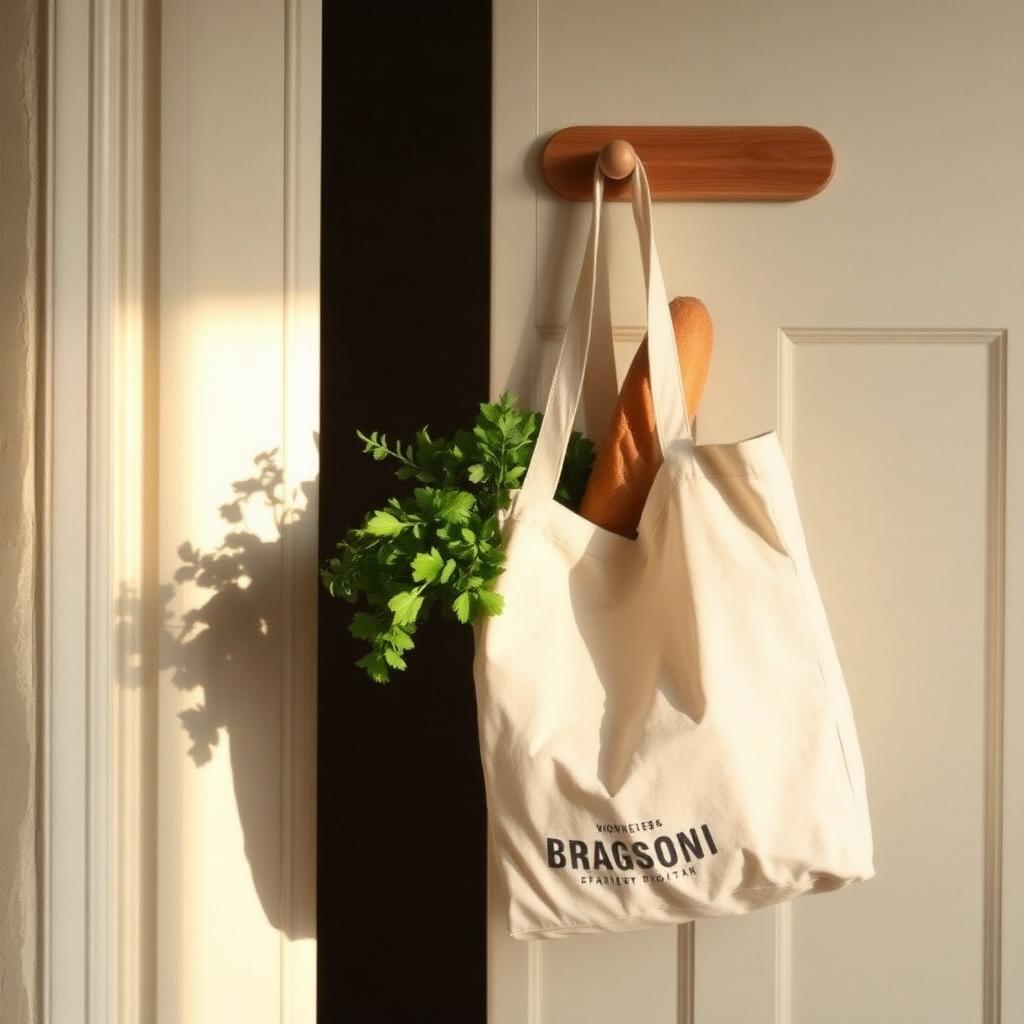
Baggu Standard Reusable Tote
A packable everyday shopping bag kept inside another bag
- Recycled ripstop nylon
- Dishwasher safe
- 40% recycled
Ever Eco Reusable Produce Bag Set (8)
Every fruit-and-veg shop, bulk-bin runs.
- 120g
- Recycled polyester mesh
- Dishwasher safe
Onya Bulk Food Bag Set
Bulk-food store shoppers, pantry refills.
- 110g
- Recycled PET fabric
- Dishwasher safe
Frequently asked
- ਕੀ ਸੁਪਰਮਾਰਕੀਟ ਮੇਰੇ ਥੈਲੇ ਦਾ ਵਜ਼ਨ (tare) ਘਟਾਏਗਾ?
- ਆਮ ਤੌਰ 'ਤੇ ਵੱਡੇ ਬ੍ਰਾਂਡਾਂ ਵਾਲੇ ਸੁਪਰਮਾਰਕੀਟਾਂ ਵਿੱਚ ਨਹੀਂ। ਸੁਤੰਤਰ ਬਲਕ ਸਟੋਰ ਆਮ ਤੌਰ 'ਤੇ ਅਜਿਹਾ ਕਰਦੇ ਹਨ। ਕਸਟਮਰ ਸਰਵਿਸ ਕਾਊਂਟਰ 'ਤੇ ਪੁੱਛੋ।
- ਮੀਟ ਜਾਂ ਮੱਛੀ ਰੱਖਣ ਤੋਂ ਬਾਅਦ ਮੈਂ ਥੈਲਿਆਂ ਨੂੰ ਕਿਵੇਂ ਸਾਫ਼ ਕਰਾਂ?
- ਅਜਿਹਾ ਨਾ ਕਰੋ — ਮੀਟ/ਮੱਛੀ ਲਈ ਖਾਸ ਸਿਲੀਕੋਨ ਜਾਂ ਸਟੀਲ ਦੇ ਡੱਬਿਆਂ ਦੀ ਵਰਤੋਂ ਕਰੋ। ਸਬਜ਼ੀਆਂ ਅਤੇ ਫ਼ਲਾਂ ਵਾਲੇ ਥੈਲਿਆਂ ਨੂੰ ਪੂਰੀ ਤਰ੍ਹਾਂ ਸੈਨੀਟਾਈਜ਼ ਕਰਨਾ ਮੁਸ਼ਕਲ ਹੁੰਦਾ ਹੈ।
- ਕੀ ਰੀਸਾਈਕਲ ਕੀਤੇ ਪੋਲੀਏਸਟਰ ਦੇ ਜਾਲੀਦਾਰ ਥੈਲੇ ਸੱਚਮੁੱਚ ਬਿਹਤਰ ਹਨ?
- ਥੋੜ੍ਹਾ ਜਿਹਾ — ਇਹ PET ਨੂੰ ਲੈਂਡਫਿਲ ਵਿੱਚ ਜਾਣ ਤੋਂ ਬਚਾਉਂਦੇ ਹਨ। ਵਰਤੋਂ ਖਤਮ ਹੋਣ 'ਤੇ ਵੀ ਇਹਨਾਂ ਦੀ ਕੰਪੋਸਟਿੰਗ ਨਹੀਂ ਕੀਤੀ ਜਾ ਸਕਦੀ, ਇਸ ਲਈ ਸਮੱਗਰੀ ਦੇ ਦਾਅਵਿਆਂ ਨਾਲੋਂ ਇਹਨਾਂ ਦੀ ਮਜ਼ਬੂਤੀ ਦੇ ਆਧਾਰ 'ਤੇ ਚੋਣ ਕਰੋ।
- ਇੱਕ ਮੁੜ-ਵਰਤੋਂਯੋਗ ਪ੍ਰੋਡਿਊਸ ਬੈਗ ਦਾ ਵਜ਼ਨ ਕਿੰਨਾ ਹੁੰਦਾ ਹੈ?
- ਇੱਕ ਉੱਚ-ਗੁਣਵੱਤਾ ਵਾਲੇ ਮੁੜ-ਵਰਤੋਂਯੋਗ ਸਮਾਨ ਵਾਲੇ ਬੈਗ ਦਾ ਵਜ਼ਨ ਆਮ ਤੌਰ 'ਤੇ 10 ਤੋਂ 15 ਗ੍ਰਾਮ ਦੇ ਵਿਚਕਾਰ ਹੁੰਦਾ ਹੈ, ਜਦੋਂ ਕਿ ਸਸਤੇ, ਮੋਟੇ ਕੈਨਵਸ ਵਾਲੇ ਵਿਕਲਪਾਂ ਦਾ ਵਜ਼ਨ 80 ਗ੍ਰਾਮ ਤੱਕ ਹੋ ਸਕਦਾ ਹੈ। ਸਾਡੀ ਬੈਂਚ ਟੈਸਟਿੰਗ ਦਰਸਾਉਂਦੀ ਹੈ ਕਿ ਹਲਕੇ ਬੈਗਾਂ ਦੀ ਵਰਤੋਂ ਕਰਨਾ ਬਹੁਤ ਜ਼ਰੂਰੀ ਹੈ ਕਿਉਂਕਿ ਵੱਡੀਆਂ ਆਸਟ੍ਰੇਲੀਆਈ ਸੁਪਰਮਾਰਕੀਟਾਂ ਵਿੱਚ ਸੈਲਫ਼-ਚੈੱਕਆਊਟ ਸਕੇਲ ਮੁੜ-ਵਰਤੋਂਯੋਗ ਬੈਗ ਵਾਲਾ ਬਟਨ ਦਬਾਉਣ 'ਤੇ ਸਿਰਫ਼ 5 ਤੋਂ 7 ਗ੍ਰਾਮ ਵਜ਼ਨ ਹੀ ਘਟਾਉਂਦੇ ਹਨ। ਕੋਈ ਵੀ ਵਾਧੂ ਵਜ਼ਨ ਸਿੱਧੇ ਤੌਰ 'ਤੇ ਤੁਹਾਡੇ ਚੈੱਕਆਊਟ ਦੇ ਕੁੱਲ ਬਿੱਲ ਨੂੰ ਵਧਾਉਂਦਾ ਹੈ।
- ਆਸਟ੍ਰੇਲੀਆਈ ਬਲਕ ਫੂਡ ਸਟੋਰ ਬੈਗ ਦੇ ਵਜ਼ਨ ਨੂੰ ਕਿਵੇਂ ਸੰਭਾਲਦੇ ਹਨ?
- ਜ਼ਿਆਦਾਤਰ ਆਸਟ੍ਰੇਲੀਆਈ ਬਲਕ ਫੂਡ ਸਟੋਰ ਤੁਹਾਡੇ ਵੱਲੋਂ ਸਮਾਨ ਭਰਨ ਤੋਂ ਪਹਿਲਾਂ ਫ੍ਰੰਟ ਕਾਊਂਟਰ 'ਤੇ ਤੁਹਾਡੇ ਮੁੜ-ਵਰਤੋਂਯੋਗ ਬੈਗ ਦਾ ਵਜ਼ਨ ਕਰਦੇ ਹਨ ਅਤੇ ਟੇਅਰ ਵਜ਼ਨ (ਖਾਲੀ ਬੈਗ ਦਾ ਵਜ਼ਨ) ਕੱਢਦੇ ਹਨ। The Source ਅਤੇ Naked Foods ਵਰਗੇ ਰਿਟੇਲਰਾਂ 'ਤੇ ਸਾਡੀ ਲੰਬੇ ਸਮੇਂ ਦੀ ਟੈਸਟਿੰਗ ਦੇ ਆਧਾਰ 'ਤੇ, ਸਟਾਫ਼ ਚੈੱਕਆਊਟ ਸਮੇਂ ਇਸ ਟੇਅਰ ਵਜ਼ਨ ਨੂੰ ਘਟਾ ਦੇਵੇਗਾ, ਅਤੇ ਅਕਸਰ ਇਸਨੂੰ ਮਾਰਕਰ ਨਾਲ ਸਿੱਧਾ ਬੈਗ 'ਤੇ ਲਿਖ ਦੇਵੇਗਾ। Woolworths ਵਰਗੀਆਂ ਸੁਪਰਮਾਰਕੀਟਾਂ ਕੋਲ ਕੋਈ ਰਸਮੀ ਬਲਕ ਟੇਅਰ ਪ੍ਰਕਿਰਿਆ ਨਹੀਂ ਹੈ, ਇਸ ਲਈ ਅਸੀਂ ਉੱਥੇ ਆਪਣੇ ਸਭ ਤੋਂ ਹਲਕੇ ਬੈਗਾਂ ਦੀ ਵਰਤੋਂ ਕਰਨ ਦੀ ਸਿਫ਼ਾਰਸ਼ ਕਰਦੇ ਹਾਂ।
- ਕੀ ਮੈਨੂੰ ਮੈਸ਼ ਜਾਂ ਕੋਟਨ ਮਲਮਲ ਦੇ ਪ੍ਰੋਡਿਊਸ ਬੈਗ ਖਰੀਦਣੇ ਚਾਹੀਦੇ ਹਨ?
- ਤੁਹਾਨੂੰ ਸੁਪਰਮਾਰਕੀਟ ਦੇ ਫਲਾਂ ਅਤੇ ਸਬਜ਼ੀਆਂ ਲਈ ਮੈਸ਼ ਬੈਗ ਅਤੇ ਬਾਰੀਕ ਬਲਕ-ਬਿਨ ਸਮੱਗਰੀ ਲਈ ਸੂਤੀ ਮਲਮਲ (cotton muslin) ਦੇ ਬੈਗ ਖਰੀਦਣੇ ਚਾਹੀਦੇ ਹਨ। ਨਿਰਮਾਤਾ ਦੇ ਨਿਰਦੇਸ਼ਾਂ ਅਨੁਸਾਰ, ਮੈਸ਼ ਕੈਸ਼ੀਅਰਾਂ ਨੂੰ ਆਸਾਨੀ ਨਾਲ ਅੰਦਰ ਦੇਖਣ ਦੀ ਸੁਵਿਧਾ ਦਿੰਦੀ ਹੈ ਅਤੇ ਜਲਦੀ ਸੁੱਕ ਜਾਂਦੀ ਹੈ, ਹਾਲਾਂਕਿ 100 ਧੋਣ ਤੋਂ ਬਾਅਦ ਇਸਦੇ ਕਿਨਾਰੇ ਖਰਾਬ ਹੋ ਸਕਦੇ ਹਨ। ਮਲਮਲ ਵਿੱਚ ਇੱਕ ਬਾਰੀਕ ਬੁਣਾਈ ਹੁੰਦੀ ਹੈ ਜੋ ਆਟਾ, ਚੀਨੀ ਅਤੇ ਮਸਾਲਿਆਂ ਨੂੰ ਲੀਕ ਹੋਣ ਤੋਂ ਰੋਕਦੀ ਹੈ, ਪਰ ਇਹ ਭਾਰੇ ਹੁੰਦੇ ਹਨ ਅਤੇ ਗਿੱਲੇ ਹੋਣ 'ਤੇ ਸੁੱਕਣ ਵਿੱਚ ਵੱਧ ਸਮਾਂ ਲੈਂਦੇ ਹਨ।
- ਮੁੜ ਵਰਤੋਂ ਯੋਗ ਸਬਜ਼ੀਆਂ ਵਾਲੇ ਥੈਲਿਆਂ ਦਾ ਸਭ ਤੋਂ ਵਧੀਆ ਸਟਾਰਟਰ ਸੈੱਟ ਸਾਈਜ਼ ਕਿਹੜਾ ਹੈ?
- ਸ਼ੁਰੂਆਤ ਕਰਨ ਲਈ ਸਭ ਤੋਂ ਵਧੀਆ ਸੰਯੋਜਨ ਚਾਰ ਮੱਧਮ ਅਤੇ ਦੋ ਛੋਟੇ ਮੁੜ ਵਰਤੋਂ ਯੋਗ ਥੈਲਿਆਂ ਦਾ ਸੈੱਟ ਹੈ। ਸਾਡੀ ਲੰਬੇ ਸਮੇਂ ਦੀ ਟੈਸਟਿੰਗ ਦਰਸਾਉਂਦੀ ਹੈ ਕਿ ਇਹ ਮਿਸ਼ਰਣ ਇੱਕ ਆਮ ਹਫ਼ਤਾਵਾਰੀ ਕਰਿਆਨੇ ਦੀ ਖਰੀਦਦਾਰੀ ਨੂੰ ਆਸਾਨੀ ਨਾਲ ਪੂਰਾ ਕਰਦਾ ਹੈ। ਮੱਧਮ ਥੈਲੇ (ਆਮ ਤੌਰ 'ਤੇ 30 ਗੁਣਾ 35 ਸੈਂਟੀਮੀਟਰ) ਸੇਬਾਂ ਅਤੇ ਆਲੂਆਂ ਲਈ ਬਿਲਕੁਲ ਢੁਕਵੇਂ ਹਨ, ਜਦੋਂ ਕਿ ਛੋਟੇ ਥੈਲੇ (25 ਗੁਣਾ 20 ਸੈਂਟੀਮੀਟਰ) ਮਸ਼ਰੂਮਾਂ ਅਤੇ ਨਟਸ ਲਈ ਸਹੀ ਹਨ। ਵੱਡੇ 40 ਗੁਣਾ 50 ਸੈਂਟੀਮੀਟਰ ਵਾਲੇ ਥੈਲਿਆਂ ਨੂੰ ਭਾਰੀਆਂ ਪੱਤੇਦਾਰ ਸਬਜ਼ੀਆਂ ਜਾਂ ਫੁੱਲਗੋਭੀ ਲਈ ਰੱਖੋ।
- ਕੀ ਜਾਲੀਦਾਰ ਥੈਲਿਆਂ ਵਿੱਚ ਗਿੱਲੀਆਂ ਪੱਤੇਦਾਰ ਸਬਜ਼ੀਆਂ ਰੱਖੀਆਂ ਜਾ ਸਕਦੀਆਂ ਹਨ?
- ਨਹੀਂ, ਤੁਹਾਨੂੰ ਪਲਾਸਟਿਕ ਦੀ ਪਰਤ ਵਾਲੇ ਜਾਲੀਦਾਰ ਥੈਲਿਆਂ ਵਿੱਚ ਗਿੱਲੀਆਂ ਪੱਤੇਦਾਰ ਸਬਜ਼ੀਆਂ ਨੂੰ 24 ਘੰਟਿਆਂ ਤੋਂ ਵੱਧ ਸਮੇਂ ਲਈ ਨਹੀਂ ਰੱਖਣਾ ਚਾਹੀਦਾ। ਸਾਡੀ ਲੰਬੇ ਸਮੇਂ ਦੀ ਟੈਸਟਿੰਗ ਤੋਂ ਪਤਾ ਲੱਗਦਾ ਹੈ ਕਿ ਇਹਨਾਂ ਥੈਲਿਆਂ ਵਿੱਚ ਰੱਖੀਆਂ ਸਬਜ਼ੀਆਂ ਨੂੰ ਆਮ ਸੁਪਰਮਾਰਕੀਟ ਪਲਾਸਟਿਕ ਦੀ ਤੁਲਨਾ ਵਿੱਚ ਬਹੁਤ ਤੇਜ਼ੀ ਨਾਲ ਉੱਲੀ ਲੱਗ ਜਾਂਦੀ ਹੈ। ਵਧੀਆ ਸ਼ੈਲਫ ਲਾਈਫ ਲਈ, ਅਸੀਂ ਦੁਕਾਨਾਂ ਤੋਂ ਘਰ ਪਹੁੰਚਦੇ ਹੀ ਆਪਣੀਆਂ ਪੱਤੇਦਾਰ ਸਬਜ਼ੀਆਂ ਨੂੰ ਇੱਕ ਠੋਸ, ਬੰਦ ਡੱਬੇ ਵਿੱਚ ਖਾਲੀ ਕਰਨ ਦੀ ਸਿਫ਼ਾਰਸ਼ ਕਰਦੇ ਹਾਂ।
- ਮੁੜ ਵਰਤੋਂ ਯੋਗ ਸਬਜ਼ੀਆਂ ਵਾਲੇ ਥੈਲਿਆਂ ਨੂੰ ਕਿਵੇਂ ਧੋਤਾ ਅਤੇ ਸੁਕਾਇਆ ਜਾਂਦਾ ਹੈ?
- ਤੁਹਾਨੂੰ ਇਹਨਾਂ ਨੂੰ ਜਾਲੀਦਾਰ ਲਾਂਡਰੀ ਬੈਗ ਵਿੱਚ ਮਸ਼ੀਨ ਨਾਲ ਧੋਣਾ ਚਾਹੀਦਾ ਹੈ ਅਤੇ ਬਾਅਦ ਵਿੱਚ ਤਾਰ 'ਤੇ ਸੁਕਾਉਣਾ ਚਾਹੀਦਾ ਹੈ। ਸਾਡੀ ਬੈਂਚ ਟੈਸਟਿੰਗ ਦਰਸਾਉਂਦੀ ਹੈ ਕਿ ਲਾਂਡਰੀ ਬੈਗ ਦੀ ਵਰਤੋਂ ਕਰਨ ਨਾਲ ਵਾਸ਼ਿੰਗ ਸਾਈਕਲ ਦੌਰਾਨ ਡੋਰੀਆਂ ਨੂੰ ਉਲਝਣ ਅਤੇ ਫਟਣ ਤੋਂ ਬਚਾਇਆ ਜਾ ਸਕਦਾ ਹੈ। ਆਪਣੇ ਥੈਲਿਆਂ ਨੂੰ ਹਮੇਸ਼ਾ ਤਾਰ 'ਤੇ ਹੀ ਸੁਕਾਓ, ਕਿਉਂਕਿ ਡ੍ਰਾਇਅਰ ਦੀ ਗਰਮੀ ਸੂਤੀ ਫਾਈਬਰਾਂ ਨੂੰ ਸੁੰਗੜ ਸਕਦੀ ਹੈ ਅਤੇ ਫਲਾਂ ਦੇ ਦਾਗਾਂ ਨੂੰ ਪੱਕਾ ਕਰ ਸਕਦੀ ਹੈ, ਜਿਸ ਨਾਲ ਉਹਨਾਂ ਦੀ ਔਸਤ 2-ਤੋਂ-3 ਸਾਲ ਦੀ ਉਮਰ ਘਟ ਜਾਂਦੀ ਹੈ।
Sources & evidence
Every verdict on this page is traceable to the 6 references below — our own bench testing, manufacturer documentation and independent published testing. Where evidence is thin, we say so in the text rather than rounding up.
- UK Environment Agency, Life cycle assessment of supermarket carrier bags (2011) www.gov.uk/government/publications/life-cycle-assessment-of-supermarket-carrierbags-a-review-of-the-bags-available-in-2006
- Danish EPA, Life Cycle Assessment of grocery carrier bags (2018) www2.mst.dk/Udgiv/publications/2018/02/978-87-93614-73-4.pdf
- Clean Up Australia, Rubbish Report 2024 www.cleanup.org.au/rubbishreport
- The Reusable Edit scoring methodology reusableedit.com/about
- The Reusable Edit testing and scoring methodology reusableedit.com/about
- Answer library and machine-readable data feed reusableedit.com/answers
Evidence last reviewed .