Túi đựng rau củ và hàng rời dùng nhiều lần: Nên mua loại nào và cách cân
Vấn đề trọng lượng túi
Nông sản tươi được bán theo cân nặng, do đó một chiếc túi tái sử dụng nặng sẽ làm tăng chi phí trong mỗi lần thanh toán. Những chiếc túi đựng nông sản hiện đại tốt nhất nặng khoảng 10–15g mỗi túi — con số không đáng kể so với một ký táo. Túi vải canvas dày rẻ tiền hơn có thể nặng tới 40–80g, tích tụ thành trọng lượng đáng kể cho cả xe hàng.
Tại quầy tự thanh toán, hầu hết các siêu thị ở Úc đều có nút "túi tái sử dụng" giúp trừ bì khoảng 5–7g. Nếu túi của bạn nặng hơn, hãy cân túi một lần rồi ghi trọng lượng lên túi bằng bút đánh dấu giặt không phai để bạn có thể nhập số liệu vào.
Túi lưới vs vải xô cotton (muslin) vs vải cotton dệt
Túi lưới (nylon hoặc polyester tái chế)
Tốt nhất cho nông sản mua ở siêu thị. Thu ngân có thể nhìn thấy đồ bên trong (không cần lấy ra), cân trực tiếp qua lớp lưới, khô nhanh sau khi giặt. Nhược điểm: không thể phân hủy sinh học khi hết hạn sử dụng; mép túi có thể bị xơ sau 100 lần giặt.
Vải xô cotton (muslin)
Tốt nhất cho bột, gạo, đường, gia vị ở các thùng bán lẻ theo cân. Mũi dệt mịn giúp bụi bột không bị lọt ra ngoài. Thắt bằng dây rút. Có thể phân hủy sinh học. Nhược điểm: không nhìn thấy đồ bên trong và nặng hơn khi bị ẩm.
Vải cotton dệt (kiểu Onya)
Tốt nhất cho các loại ngũ cốc và mì pasta bán lẻ theo cân. Chắc chắn hơn vải xô, có thể giặt bằng máy. Nhược điểm: trọng lượng trừ bì nặng hơn (~20–30g).
"Trừ bì" (tare) có nghĩa là gì
Trừ bì (tare) là trọng lượng của bao bì/vật chứa rỗng. Hầu hết các cửa hàng bán lẻ theo cân tại Úc (The Source, Naked Foods, Terra Madre, Wray Organic) sẽ trừ bì túi của bạn tại quầy trước khi bạn đựng đồ, sau đó trừ trọng lượng đó lúc thanh toán. Một số nơi in nhãn dán trừ bì; số khác ghi trực tiếp lên túi bằng bút đánh dấu.
Tại khu bán hàng kg ở siêu thị (Woolworths, IGA), không có quy trình trừ bì chính thức — hãy dùng những chiếc túi nhẹ nhất bạn có và chấp nhận độ chênh lệch vài gram.
Chọn kích thước phù hợp
- Nhỏ (25×20cm) — nấm, hạt, đồ ăn vặt, gia vị.
- Vừa (30×35cm) — táo, cam, khoai tây, hầu hết các loại ngũ cốc mua theo cân.
- Lớn (40×50cm) — rau ăn lá, cần tây, súp lơ, 2kg bột mì.
Một bộ gồm 4 túi vừa cộng với 2 túi nhỏ là đủ đáp ứng cho hầu hết các lần đi chợ hàng tuần.
Bảo quản
- Giặt sau mỗi lần sử dụng nếu đựng rau lá hoặc nông sản ẩm ướt.
- Giặt máy trong túi giặt lưới (giúp bảo vệ dây rút).
- Phơi khô tự nhiên (nhiệt độ máy sấy có thể làm co túi cotton và làm bám chặt vết bẩn từ hoa quả).
- Thay túi khi dây rút hoặc đường may bị hỏng — thường là sau 2–3 năm.
Những trường hợp túi đựng nông sản không hiệu quả
- Rau ăn lá ướt trữ hơn 24 giờ trong túi lưới lót nhựa sẽ bị mốc nhanh hơn so với túi nilon của siêu thị. Hãy chuyển rau vào hộp đựng khi về đến nhà.
- Quả mọng (Berries) — lớp lưới sẽ làm dập chúng. Hãy dùng hộp cứng.
- Các mặt hàng rất nhỏ (hạt chia, vừng) — chỉ dùng vải xô (muslin), hoặc mang hũ từ nhà đi.
Gợi ý của chúng tôi
- Bộ túi lưới: Ever Eco Reusable Produce Bag Set (8).
- Đồ mua theo cân: Onya Bulk Food Bag Set.
- Vải xô/cotton: bất kỳ thương hiệu Úc nào dưới 15g mỗi túi.
Our recommended picks
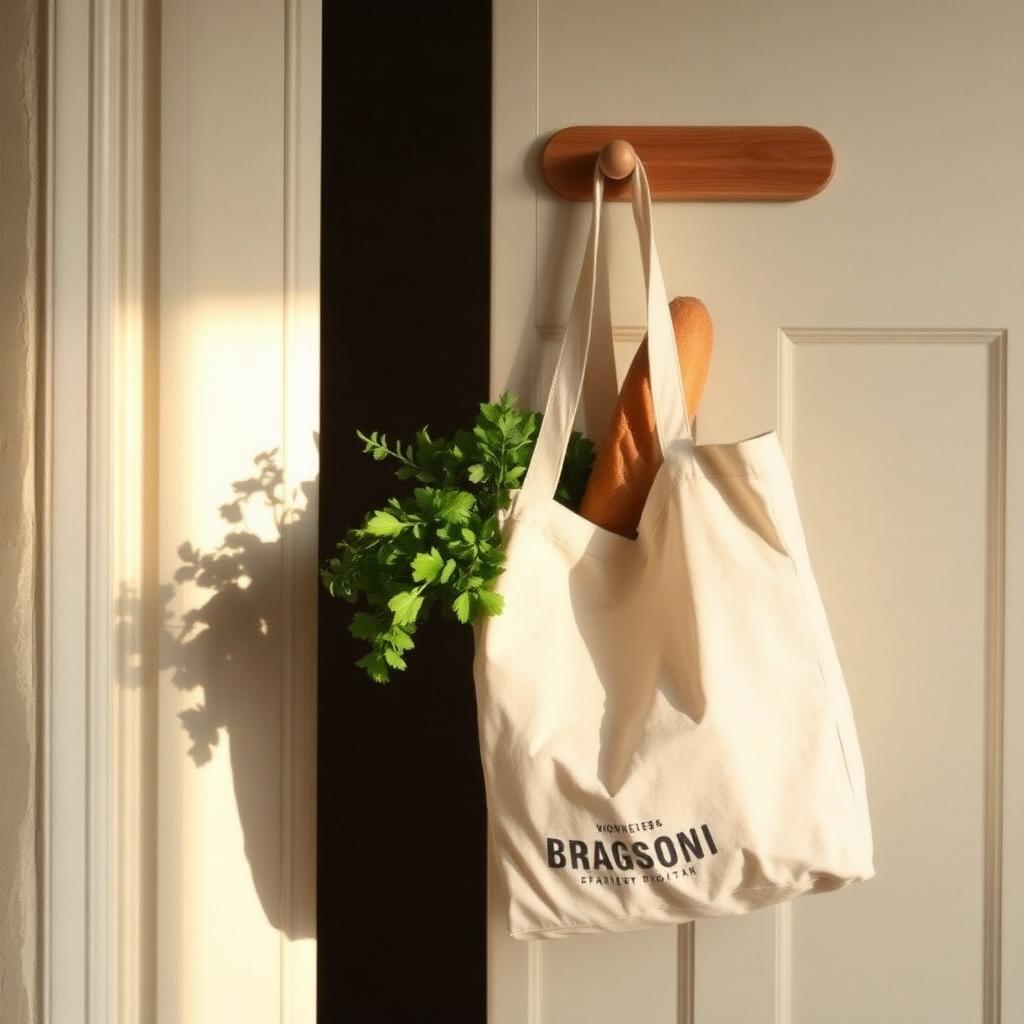
Baggu Standard Reusable Tote
A packable everyday shopping bag kept inside another bag
- Recycled ripstop nylon
- Dishwasher safe
- 40% recycled
Ever Eco Reusable Produce Bag Set (8)
Every fruit-and-veg shop, bulk-bin runs.
- 120g
- Recycled polyester mesh
- Dishwasher safe
Onya Bulk Food Bag Set
Bulk-food store shoppers, pantry refills.
- 110g
- Recycled PET fabric
- Dishwasher safe
Frequently asked
- Siêu thị có trừ trọng lượng bì cho túi của tôi không?
- Thường không áp dụng tại các siêu thị lớn. Các cửa hàng bán hàng rời độc lập thì thường có. Bạn hãy hỏi tại quầy dịch vụ khách hàng.
- Làm thế nào để vệ sinh túi sau khi đựng thịt hoặc cá?
- Không nên — hãy dùng hộp silicone hoặc inox chuyên dụng cho thịt/cá. Túi đựng rau củ rất khó để khử trùng hoàn toàn.
- Túi lưới bằng polyester tái chế có thực sự tốt hơn không?
- Tốt hơn một chút — chúng giúp giảm lượng nhựa PET ra bãi rác. Tuy nhiên, chúng vẫn không thể ủ phân tự nhiên khi hết vòng đời, vì vậy hãy chọn dựa trên độ bền hơn là câu chuyện chất liệu.
- Một chiếc túi đựng rau củ tái sử dụng nặng bao nhiêu?
- Một chiếc túi đựng rau củ tái sử dụng chất lượng cao thường nặng khoảng 10 đến 15 gam, trong khi các lựa chọn bằng vải canvas dày rẻ tiền hơn có thể nặng tới 80 gam. Thử nghiệm thực tế của chúng tôi cho thấy việc sử dụng túi nhẹ là rất quan trọng vì cân tự thanh toán tại các siêu thị lớn ở Úc chỉ trừ bì khoảng 5 đến 7 gam khi bạn nhấn nút túi tái sử dụng. Bất kỳ trọng lượng dư nào cũng sẽ trực tiếp làm tăng tổng tiền hóa đơn của bạn.
- Các cửa hàng thực phẩm bán rời ở Úc xử lý trọng lượng túi như thế nào?
- Hầu hết các cửa hàng thực phẩm bán rời ở Úc sẽ cân và trừ bì túi tái sử dụng của bạn tại quầy trước khi bạn đong hàng. Dựa trên thử nghiệm dài hạn của chúng tôi tại các nhà bán lẻ như The Source và Naked Foods, nhân viên sẽ trừ trọng lượng bì này khi thanh toán, thường viết trực tiếp lên túi bằng bút dạ. Các siêu thị như Woolworths không có quy trình trừ bì chính thức cho hàng bán rời, vì vậy chúng tôi khuyên bạn nên sử dụng những chiếc túi nhẹ nhất khi mua sắm ở đó.
- Tôi nên mua túi đựng thực phẩm bằng lưới hay bằng vải xô cotton muslin?
- Bạn nên mua túi lưới để đựng trái cây và rau củ ở siêu thị, và túi vải xô cotton muslin cho các nguyên liệu dạng bột hoặc hạt nhỏ ở quầy bán rời. Theo thông số kỹ thuật từ nhà sản xuất, túi lưới giúp thu ngân dễ dàng nhìn vào bên trong và nhanh khô, dù viền túi có thể bị sờn sau 100 lần giặt. Vải muslin có đường dệt khít giúp ngăn bột, đường và gia vị rò rỉ ra ngoài, nhưng chúng nặng hơn và lâu khô hơn khi bị ướt.
- Bộ túi đựng thực phẩm tái sử dụng dành cho người mới bắt đầu có kích cỡ thế nào là tốt nhất?
- Sự kết hợp khởi đầu lý tưởng là một bộ gồm bốn túi tái sử dụng cỡ vừa và hai túi cỡ nhỏ. Thử nghiệm dài hạn của chúng tôi cho thấy sự kết hợp này dễ dàng đáp ứng một buổi đi chợ tiêu chuẩn hàng tuần. Túi cỡ vừa (thường là 30 x 35 xentimét) rất phù hợp cho táo và khoai tây, trong khi túi cỡ nhỏ (25 x 20 xentimét) thích hợp cho nấm và các loại hạt. Hãy dành những chiếc túi lớn 40 x 50 xentimét cho các loại rau ăn lá cồng kềnh hoặc súp lơ.
- Tôi có thể bảo quản rau xanh còn ướt trong túi lưới không?
- Không, bạn không nên bảo quản rau xanh còn ướt trong túi lưới lót nhựa quá 24 giờ. Thử nghiệm lâu dài của chúng tôi cho thấy rau giữ trong những túi này bị mốc nhanh hơn nhiều so với trong túi nhựa siêu thị thông thường. Để tối ưu thời gian bảo quản, chúng tôi khuyên bạn nên chuyển rau xanh vào một hộp kín cứng ngay khi vừa đi chợ về.
- Làm thế nào để giặt và phơi khô túi đựng thực phẩm tái sử dụng?
- Bạn nên giặt máy chúng trong túi giặt lưới và phơi khô tự nhiên sau đó. Thử nghiệm thực tế của chúng tôi cho thấy việc sử dụng túi giặt giúp dây rút không bị rối và rách trong chu trình giặt. Luôn phơi khô túi, vì nhiệt độ máy sấy có thể làm co sợi bông và khiến vết bẩn trái cây bám vĩnh viễn, làm giảm tuổi thọ trung bình từ 2 đến 3 năm của túi.
Sources & evidence
Every verdict on this page is traceable to the 6 references below — our own bench testing, manufacturer documentation and independent published testing. Where evidence is thin, we say so in the text rather than rounding up.
- UK Environment Agency, Life cycle assessment of supermarket carrier bags (2011) www.gov.uk/government/publications/life-cycle-assessment-of-supermarket-carrierbags-a-review-of-the-bags-available-in-2006
- Danish EPA, Life Cycle Assessment of grocery carrier bags (2018) www2.mst.dk/Udgiv/publications/2018/02/978-87-93614-73-4.pdf
- Clean Up Australia, Rubbish Report 2024 www.cleanup.org.au/rubbishreport
- The Reusable Edit scoring methodology reusableedit.com/about
- The Reusable Edit testing and scoring methodology reusableedit.com/about
- Answer library and machine-readable data feed reusableedit.com/answers
Evidence last reviewed .