Silicone food storage bags: are they safe, and when should you replace them?
What food-grade silicone actually is
Silicone is a synthetic polymer built from silicon, oxygen, carbon and hydrogen. Food-grade silicone comes in two curing chemistries: - Peroxide-cured — cheaper, but can retain peroxide residues that off-gas over time. Common in industrial parts. - Platinum-cured — cleaner curing agent, no residual peroxides, longer service life. Standard for reusable kitchen bags from Stasher, Ever Eco and Zip Top.
Ask any brand which chemistry they use. If they can't tell you, keep walking.
Temperature range and what breaks it
Food-grade platinum-cured silicone is stable from about −40°C to 220°C — covering freezer, microwave, boiling water, sous-vide and most oven use. Above 220°C the polymer starts to degrade and can release trace VOCs. In practice that means: yes to defrosting in the bag, yes to sous-vide, yes to reheating, no to grilling or oven-baking above 200°C.
The safety data, briefly
The FDA (21 CFR 177.2600), LFGB (Germany) and Australia's FSANZ standards all clear food-grade silicone for direct food contact indefinitely. Peer-reviewed testing (Helling et al., 2010; NSF International) shows no significant migration of hazardous compounds at normal use temperatures.
Concerns worth taking seriously: - Fillers and colourants in cheap bags can migrate. Buy uncoloured or lightly coloured bags from named brands. - Aged silicone develops microscopic cracks that harbour bacteria. Replace when the surface feels sticky or discoloured.
Signs your silicone bag is past its use-by
- Sticky surface even after washing — polymer breaking down.
- Cloudy, permanent discoloration from oils (turmeric, tomato).
- Weak zip seal — the pinch closure no longer grips.
- Warping from repeated over-temperature use.
None of these are dangerous overnight — but they signal the bag is nearing end of life and should be replaced within a few months.
Care that extends life
- Wash inside-out with warm soapy water and a soft brush.
- Dishwasher-safe top rack (Stasher, Zip Top, Ever Eco all confirm this).
- Bicarb + water soak overnight kills lingering smells (curry, garlic, fish).
- Store open and dry to prevent seal creep.
Where silicone bags shine
- Freezer soups and stocks — flat pours freeze, stack, and defrost without transfer.
- Sous-vide — food-grade silicone tolerates 24-hour water baths at 65°C.
- Marinades — the seal contains splash better than a bowl and cling film.
- Sandwiches and snacks — replaces zip-lock plastic 1:1.
Where they don't
- Very hot leftovers straight into the bag (over 100°C) — cool first.
- Deep-frying oil — silicone tolerates the temperature but oil residue is nearly impossible to fully remove.
- Sharp foods (whole prawns, ice) — silicone punctures.
Our recommended picks
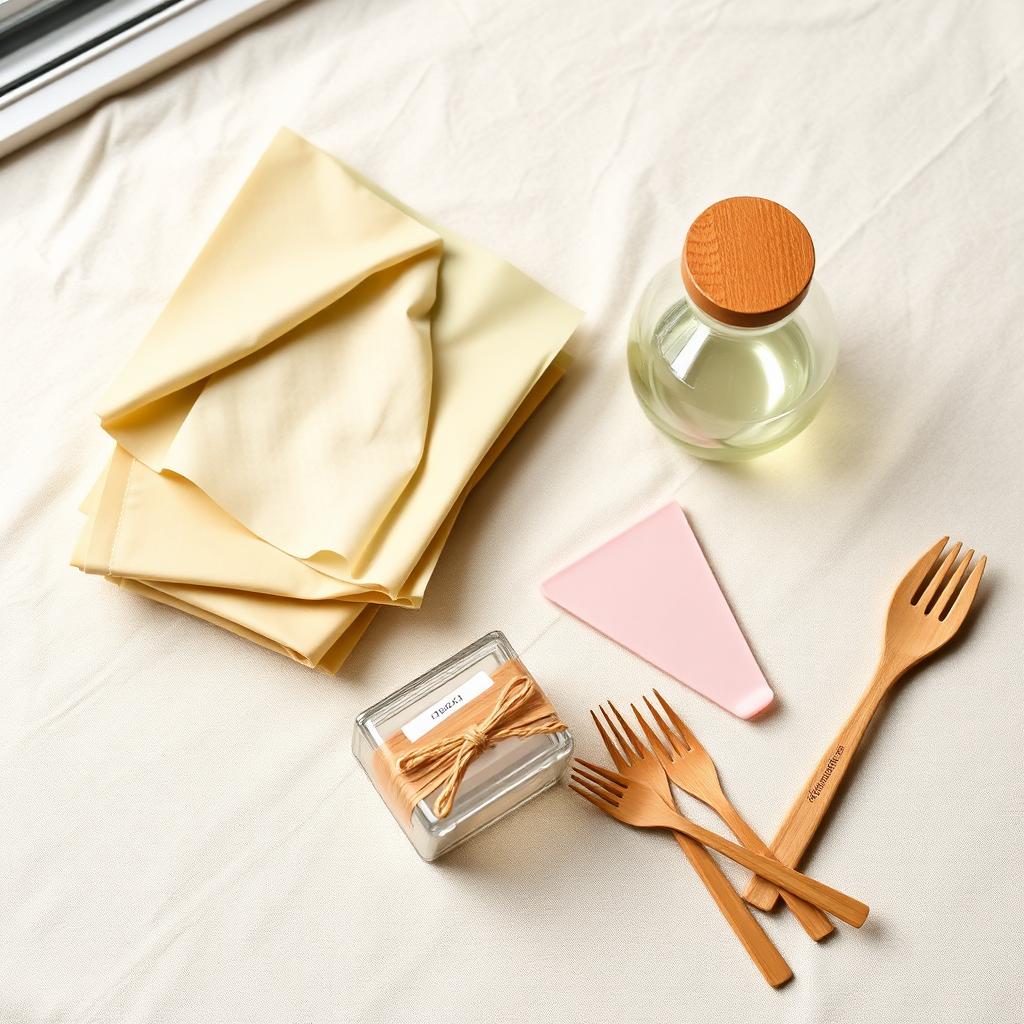
Ever Eco Beeswax Wrap Set (S/M/L)
Sandwich wraps, bowl covers, half-avocados.
- 60g
- Organic cotton
- BPA-free

Stasher Sandwich Bag
School lunches, work sandwiches, snacks in bags.
- 450ml
- 90g
- Platinum silicone
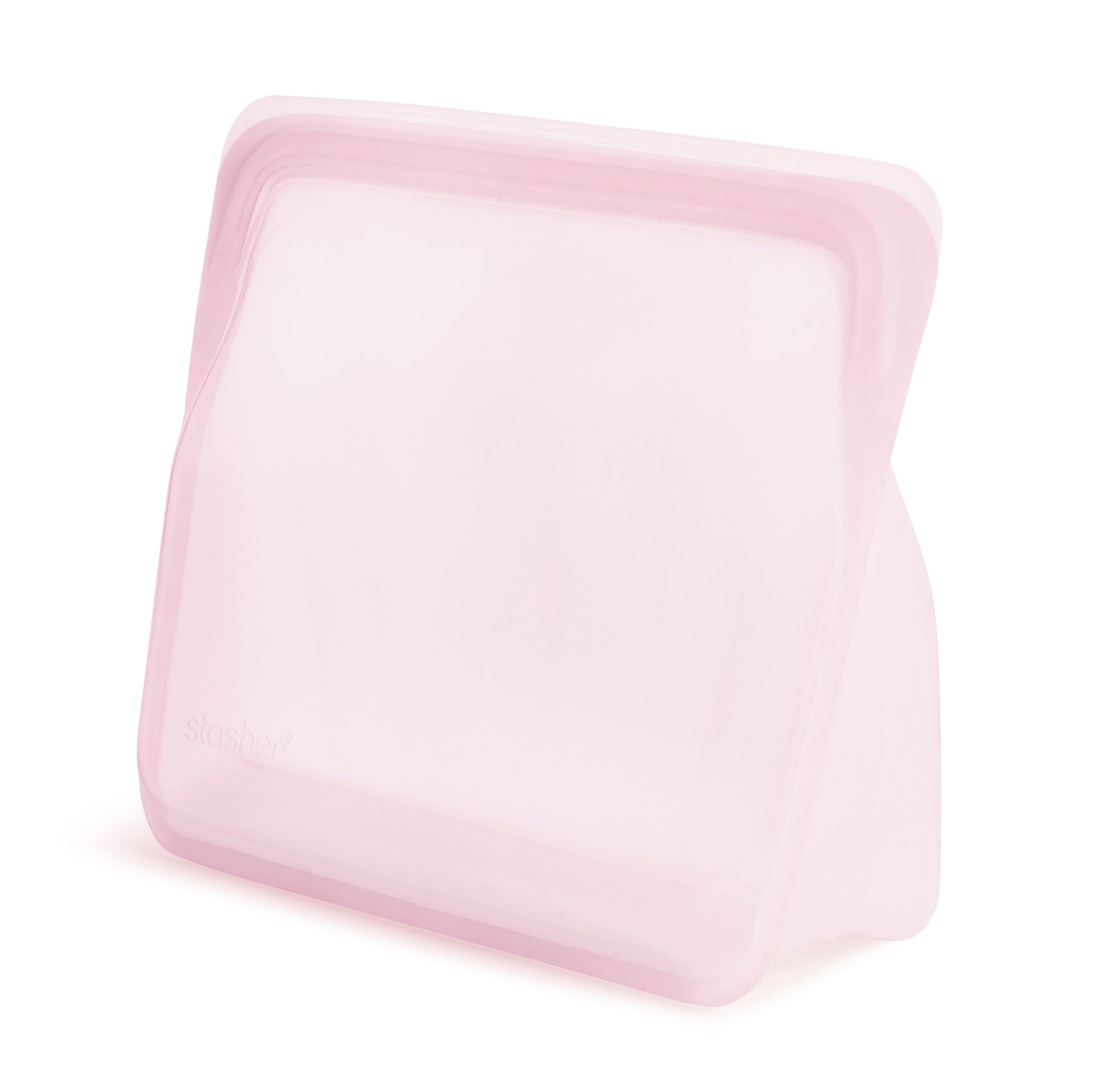
Stasher Stand-Up Mid Silicone Bag
Freezer storage, leftovers, lunches and sous vide
- 1660ml
- 180g
- Platinum food-grade silicone
Frequently asked
- Can silicone bags go in the microwave?
- Yes, open the seal first so steam can escape. Never microwave a fully sealed silicone bag — the seal is strong enough to hold pressure to a dangerous point.
- How long does a silicone bag last?
- Stasher warranties theirs to survive 3000 uses. In our testing, daily use for 4+ years is realistic with a Stasher or Zip Top; cheaper bags fail within 12–18 months.
- Is silicone recyclable?
- Not through kerbside recycling. TerraCycle in Australia accepts silicone through its zero-waste box program. Some brands (Stasher) offer take-back schemes.
- What is the difference between peroxide and platinum cured silicone?
- Platinum-cured silicone is cleaner and more durable because it contains no residual peroxides that off-gas over time. According to manufacturer specifications from premium brands like Stasher and Zip Top, platinum curing is the food-safe standard for reusable kitchen bags, whereas cheaper peroxide-cured silicone is typically relegated to industrial parts. Our bench testing confirms that platinum-cured bags resist odours better and maintain their structural integrity through hundreds of high-heat cycles without degrading.
- What temperature can food grade silicone bags tolerate?
- Food-grade platinum-cured silicone bags can safely tolerate temperatures ranging from -40°C up to 220°C. Manufacturer specifications indicate this wide range makes them safe for freezer storage, microwave reheating, boiling water, and sous-vide cooking. However, our bench testing advises keeping them away from direct heat sources like grills, and avoiding oven temperatures above 200°C, as exceeding 220°C can cause the polymer to degrade and release trace volatile organic compounds.
- Why does my silicone reusable bag feel sticky?
- A sticky surface on a silicone bag indicates that the polymer is beginning to degrade and the bag needs replacing. Our long-term testing shows that while this degradation isn't an overnight hazard, it creates microscopic cracks that can harbour bacteria. If your bag remains sticky after a thorough wash, or if you notice permanent cloudy discolouration from oils, manufacturer specifications recommend replacing the bag within a few months to ensure food hygiene.
- How do you get food smells out of silicone bags?
- You can remove stubborn food smells from silicone bags by soaking them overnight in a mixture of bicarbonate of soda and water. Our bench testing shows this simple bicarb soak is highly effective at neutralising lingering odours from pungent foods like curry, garlic, or fish. For general care, manufacturer specifications confirm that major brands like Ever Eco and Stasher are dishwasher-safe on the top rack, but we recommend washing them inside-out with a soft brush.
- Can you use silicone bags for sous vide cooking?
- Yes, premium platinum-cured silicone bags are safe and highly effective for sous-vide cooking. Manufacturer specifications state that food-grade silicone is stable at typical cooking temperatures, easily tolerating 24-hour water baths at 65°C. During our bench testing, we found that the pinch-lock seals on brands like Stasher and Zip Top hold airtight, preventing water ingress while keeping the food fully submerged without transferring any hazardous chemical compounds into your meal.
- What foods should you not put in silicone bags?
- You should avoid putting sharp foods, deep-frying oil, and extremely hot leftovers directly into silicone food bags. Our bench testing reveals that sharp objects like whole prawns or jagged ice can puncture the material. Additionally, while manufacturer specifications show silicone can withstand high heat, deep-frying oil leaves a residue that is almost impossible to clean off, and pouring liquids hotter than 100°C directly into the bag can damage the polymer structure.
Sources & evidence
Every verdict on this page is traceable to the 6 references below — our own bench testing, manufacturer documentation and independent published testing. Where evidence is thin, we say so in the text rather than rounding up.
- UK Environment Agency, Life cycle assessment of supermarket carrier bags (2011) www.gov.uk/government/publications/life-cycle-assessment-of-supermarket-carrierbags-a-review-of-the-bags-available-in-2006
- Danish EPA, Life Cycle Assessment of grocery carrier bags (2018) www2.mst.dk/Udgiv/publications/2018/02/978-87-93614-73-4.pdf
- US FDA, Food ingredients and packaging guidance www.fda.gov/food/food-ingredients-packaging
- NSF International, food equipment materials standards www.nsf.org/standards-development/food
- The Reusable Edit testing and scoring methodology reusableedit.com/about
- Answer library and machine-readable data feed reusableedit.com/answers
Evidence last reviewed .