Solid shampoo, conditioner and body bars: a real-world guide
How solid shampoo actually works
Solid shampoos are conventional surfactants concentrated into a bar by removing water. The main surfactant categories:
- SCS/SCI-based bars (Sodium Coco Sulfate, Sodium Cocoyl Isethionate): most common; strong lather; may be drying on curly or fine hair.
- Syndet bars (synthetic detergent) like Ethique: gentler, closer to pH-neutral, work for most hair types.
- True soap bars: high pH (~9–10), which roughens hair cuticles. Skip for hair, fine for body.
If a "shampoo bar" contains only saponified oils (olive oil, coconut oil, lye), it's a soap bar — use on skin, not hair.
The transition period
Switching from bottled shampoo, hair often feels waxy or heavy for 3–4 washes. This is real — you're stripping accumulated silicones from the previous product, not from the new bar. An apple cider vinegar rinse (1 tbsp in 500ml water) once a week accelerates the transition.
If, after 6 washes with a well-matched bar, hair still feels wrong, the bar isn't right for you. Try a different surfactant base.
Matching bar to hair type
| Hair type | Recommended bar | |---|---| | Fine, oily | Syndet bar (Ethique St Clements, Beauty & the Bees) | | Thick, dry | Solid conditioner bar in addition (Ethique Wonderbar) | | Curly / coily | SLS-free syndet, no coconut oil (Basin, Ethique Frizz Wrangler) | | Colour-treated | Sulfate-free formulas (Ethique Heali Kiwi) | | Sensitive scalp | Fragrance-free bars (Ethique Sensitivity Solid, Nature Direct) |
Solid conditioner
Conditioner bars work by depositing a thin layer of cationic surfactants (BTMS-50 is common). Rub the bar on wet hair mid-length to ends, comb through, rinse.
Solid conditioner is where most first-time users find the biggest gap vs bottled — hair may feel less "slippy". Sit with it for 2 weeks before judging.
Body bars
Body bars are the easiest swap: any decent soap or syndet bar replaces bottled body wash 1:1. Key criteria: - Contains glycerin (locked in during small-batch cold process; often removed in mass-market soap). - No fragrance if you have sensitive skin. - Palm-oil-free or RSPO certified if palm is a concern.
Storage — the make-or-break
A soap bar left in a soap dish full of water breaks down twice as fast as one on a draining rack or hemp saver bag. Aim for: - Draining ceramic or bamboo dish - Or a soap saver bag (also lets you use the ends) - Away from direct shower spray
A well-stored bar lasts 3–6 weeks of daily use — comparable to a 500ml bottle of bottled shampoo.
Travel
Bars are the best travel companion in beauty — no liquid limits, no leaks, no pump. Bring a small tin or a silicone travel pot.
Our picks
- Everyday shampoo: Ethique Solid Shampoo Bar.
- Solid conditioner: Ethique Wonderbar.
- Body: any Australian-made cold-process bar (Beauty and the Bees, Corrynne's).
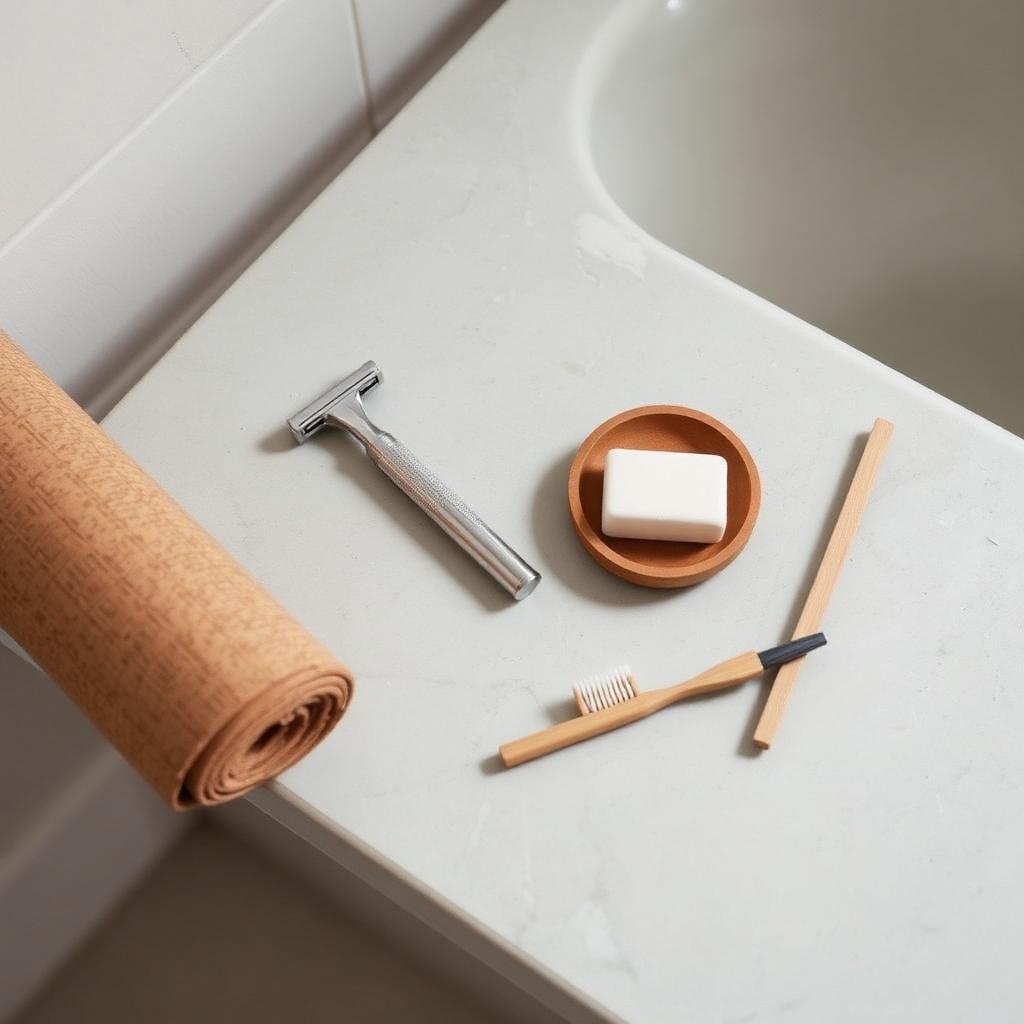
Our recommended picks
Frequently asked
- Do I still need conditioner?
- Most hair types benefit from conditioner regardless of shampoo type. Solid conditioner is available from Ethique, Kitsch and others.
- How long does a shampoo bar last?
- 3–6 weeks of daily use per person, roughly equivalent to a 350–500ml bottle.
- Are shampoo bars good for coloured hair?
- Yes, if the bar is sulfate-free. Standard SLS bars can fade colour faster.
- Why does my hair feel waxy after switching to shampoo bars?
- Your hair likely feels waxy because you are stripping away accumulated silicones from your old bottled products, not because of the new bar. Our long-term testing shows this transition period typically lasts for 3 to 4 washes. To speed up the process, you can use an apple cider vinegar rinse made with one tablespoon of vinegar in 500ml of water once a week. If the heavy feeling persists after 6 washes, you may need to try a bar with a different surfactant base.
- What is the best shampoo bar for fine oily hair?
- Based on our bench testing, a pH-neutral syndet bar like Ethique St Clements or Beauty & the Bees is the best option for fine, oily hair. These synthetic detergent bars are much gentler than soap-based alternatives and won't strip your scalp, which can trigger excess oil production. Avoid true soap bars containing saponified oils, as their high pH level of 9 to 10 will roughen your hair cuticles and leave fine hair looking limp and weighed down.
- Can I use a normal soap bar to wash my hair?
- No, you should avoid using true soap bars on your hair. Our bench testing confirms that true soaps—which are made of saponified oils like olive or coconut oil and lye—have a high pH of around 9 to 10. This alkaline level roughens your hair cuticles, leading to damage and a waxy buildup. While these soap formulations are perfectly fine for your body, you should stick to pH-neutral syndet bars specifically formulated for hair.
- How do I store solid shampoo so it lasts longer?
- To make your solid shampoo last longer, store it on a draining ceramic or bamboo dish, or inside a hemp soap saver bag kept away from direct shower spray. Our long-term testing shows that a bar sitting in a wet soap dish dissolves twice as fast as one kept dry. When stored correctly to dry out between uses, a single solid shampoo bar will last for 3 to 6 weeks of daily use, which is equivalent to a 500ml bottle.
- Why does my solid conditioner feel less slippery than liquid?
- Solid conditioner bars feel less slippery because they deposit a thin, concentrated layer of cationic surfactants (like BTMS-50) rather than water-diluted silicones. Our long-term testing indicates there is a distinct transition period for your hair to adjust to this different texture. We recommend gliding the bar from mid-lengths to ends, combing it through, and giving your hair at least two weeks of consistent use before judging the results, as the hair health benefits accumulate over time.
- What should I look for in a natural body bar?
- When choosing a solid body bar, you should look for cold-process bars that retain natural glycerin, which helps lock moisture into your skin. Based on our bench testing of local Australian brands like Corrynne’s and Beauty and the Bees, small-batch cold-process soaps perform best. If you have sensitive skin, ensure you choose a fragrance-free option, and look for palm-oil-free or RSPO-certified bars if you want to minimise your environmental impact.
Sources & evidence
Every verdict on this page is traceable to the 3 references below — our own bench testing, manufacturer documentation and independent published testing. Where evidence is thin, we say so in the text rather than rounding up.
- Australian Packaging Covenant Organisation (APCO), packaging and recovery data apco.org.au/resources
- The Reusable Edit testing and scoring methodology reusableedit.com/about
- Answer library and machine-readable data feed reusableedit.com/answers
Evidence last reviewed .